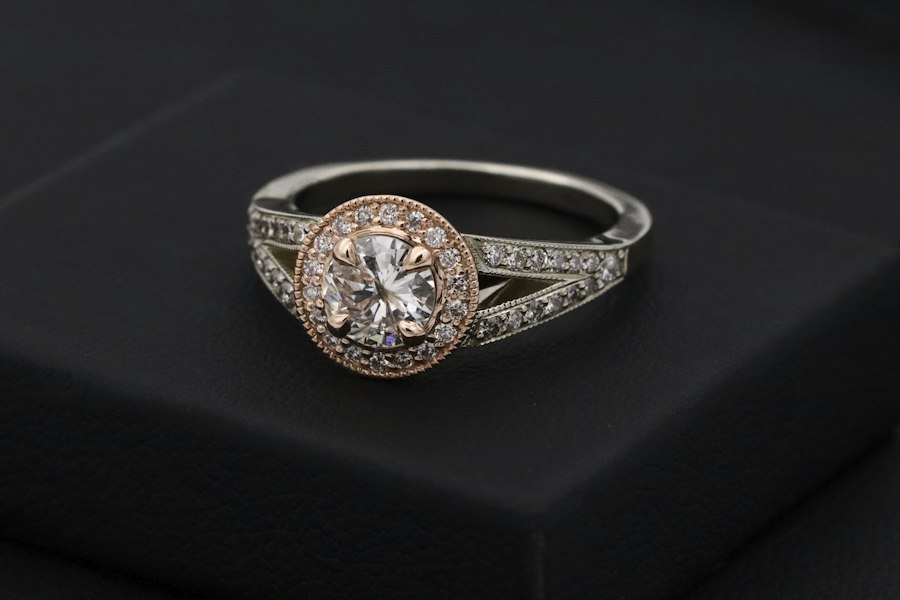
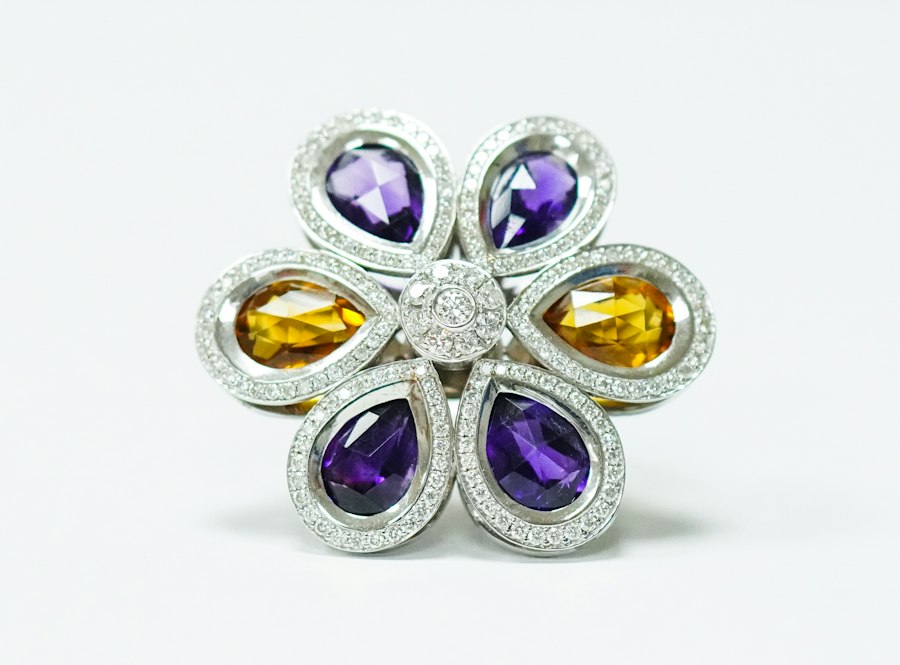
The assumption most people hold is that a bespoke commission requires walking into a workshop, sitting on a stool, and watching a jeweler at the bench. In practice, a large share of our commissions are fully remote: the client sends reference photos, we talk by video, and a sample kit arrives in the mail. The piece still fits, still matches, and still carries the same detail. What changes is the workflow, and the workflow is designed to remove the exact risks that distance usually creates.
The first video brief
The opening call is 30 minutes and is the same as an in-person brief, minus the handshake. You show your hand on camera, point out an existing ring you want to match against, and hold up reference photos. We record measurements you already know, take a screen capture of your hand at different angles, and note the budget. Within 48 hours, you receive two or three pencil sketches, the same turnaround as a local client.
The one thing the call cannot do is measure the ring size accurately. That is solved with a mailed sample kit: a set of plastic ring gauges and a printable mandrel strip, which you use at home and report back. For an existing engagement ring that needs a matching band, you mail the ring in for scanning, insured and tracked, or measure it yourself with a string and a ruler. The geometry behind that scan is described in 3D printing jewelry: what customers see.
How the CAD review works on screen
Once the sketch is approved, the CAD file is shared on a video call. We rotate the model in 3D, measure the band width with on-screen calipers, and compare it to a coin or a ruler you hold up. You see the exact wall thickness, the prong width, and the setting height before anything is printed. Because the geometry is locked after approval, this call is where the real design decisions happen, and most clients request one or two revision rounds before sign-off.
Stone selection is also done on video. We hold certified stones under a loupe on camera, show the report, and compare two options side by side. Certification from a lab such as IGI is scanned and emailed so you can read the report yourself. The choice logic between mined, lab-grown, and moissanite is covered in choosing a center stone for a custom design.
The model and the finished piece
After CAD approval, the printed model can be mailed to you for a physical fit check before casting, which is the step that closes the distance gap. You try it on, measure it against your own finger, and send it back. If the design is settled, we cast and finish, then photograph the finished piece under multiple lights before shipping. The staged payment structure protects you: a deposit at CAD approval, a balance at casting, and the final payment on delivery, which we break down in how much bespoke jewelry actually costs.
What makes a remote commission succeed
Three habits make the difference. Send clear reference photos in daylight, not filtered selfies. Measure the ring size twice, on two different days, since fingers swell. And be explicit about lifestyle: if you type or garden, say so on the first call, because it changes the setting height. The whole process, from first sketch to setting, is mapped in the bespoke process from sketch to setting.
How do I know the ring will fit if I have never been measured in person?
Using a mailed gauge kit and measuring twice on different days gets you within a half size, which is the same accuracy as most in-store measurements. The first resize after delivery is complimentary.
Can I see the real stone before it is set?
Yes. We show the certified stone on video under magnification and send the scanned report. You can also request a photo under multiple lighting conditions before setting.
How is shipping insured?
Every finished piece ships fully insured and tracked, with a signature required on delivery. Sample kits and return shipping are included in the commission.
What if I need a repair after delivery?
Mail the piece back, insured. Because we keep the original CAD, repairs and resizing are fast and inexpensive; the routine is in caring for a handmade jewelry piece.
One habit that removes most anxiety: ask for a short video of the cast piece under three lighting conditions before shipping. Natural daylight, warm indoor light, and a soft shadow reveal color and setting accuracy that a single polished studio photo hides.
Distance should not decide whether you get the piece you actually want. Book a video design call this week; we will mail the sample kit before the call ends. The whole commission runs the same staged process as an in-person order, with the same CAD approvals and the same finished quality.