A client recently brought in a sterling silver cuff she had worn for three years. It was dark in the crevices, soft on the high points, and she thought it was ruined. It was not. It had developed the look we call intentional patina: the slow darkening of silver sulphide in the recesses, which actually makes the design read more clearly. The question we had to answer is the one every owner of a hand-finished piece eventually asks: is this patina I should keep, or tarnish I should remove?
What patina actually is
Sterling silver is an alloy of 92.5% silver and 7.5% other metals, usually copper; the Wikipedia entry on sterling silver summarises the composition and the common tarnish chemistry. When silver reacts with sulphur in the air, eggs, rubber, or wool, a thin layer of silver sulphide forms. It is brown at first, then charcoal grey, then near black. On a gold piece the same reaction happens more slowly because pure gold does not tarnish; the discolouration you see on 14k or 9k gold is almost always the copper alloy component oxidising, not the gold itself.
On a deliberately antiqued piece, the maker has usually accelerated this reaction with a sulphur solution, then polished the high points. The contrast makes chased texture, engraving and hammer marks pop. That is a design choice, not decay.
Intentional patina versus accidental wear
The two look similar in a photograph but behave differently in the hand. We use three checks:
Location. Intentional patina lives in recesses, inside an engraved letter, in the valleys of a hammered surface. Accidental tarnish spreads evenly across the whole surface, including the high points. Texture. Patina is smooth; the metal underneath is intact. Wear or scratch damage is rough, and you can feel it with a fingernail. Time. A piece that brightens on the high points after a few months of wear is on the natural path. A piece that suddenly goes uniformly dull after storage in a box is tarnish, and it will wipe off.
When to leave it alone
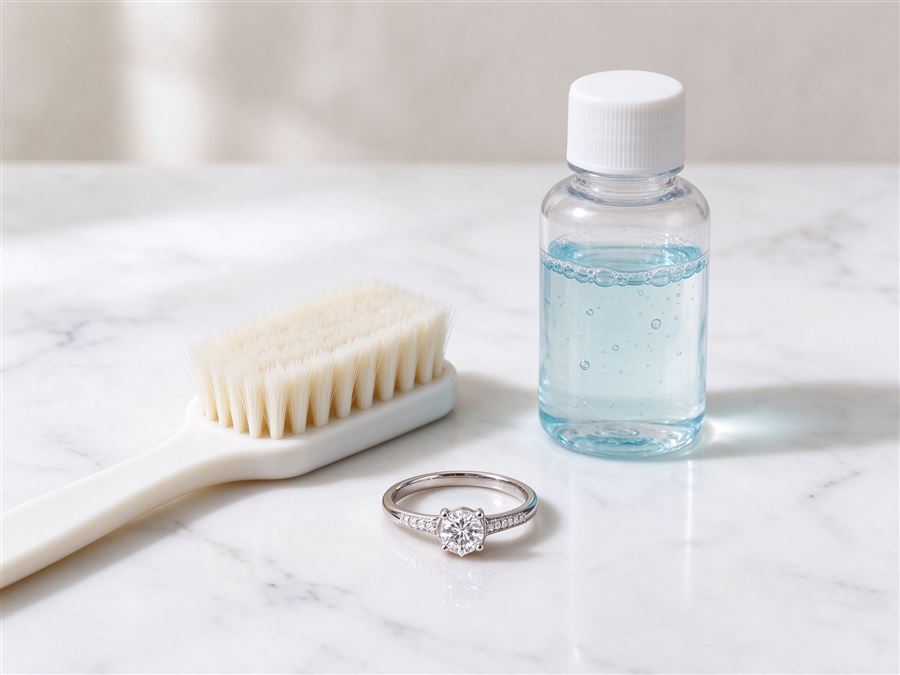
If the patina is even, the piece feels smooth, and the design was meant to age, leave it. Polishing an intentionally antiqued silver cuff every month strips the contrast and eventually rounds off the sharp design edges. We tell clients to rinse pieces in warm water with a drop of mild soap after wearing, pat them dry, and store them in a fabric pouch rather than open on a dresser.
For a wider routine, our guide to caring for handmade jewelry covers storage, travel and the annual check-up. And if you are choosing a new piece, understand that silver is the alloy that shows patina fastest; our notes on rose versus yellow gold explain why rose gold needs more attention than yellow.
When it is time to refresh or polish
Three situations justify a trip back to the bench. First, the patina has gone patchy because the client handled the piece with silver polish on one area. Second, the piece has been stored in a damp box and the tarnish is lifting in crusts. Third, a high-polish ring has dulled so far that the mirror finish is gone. We refresh with a gentle jeweller's cloth and a light re-oxidation in the recesses, never with a tumbler, which softens edges.
If the piece is worn thin in one spot, a ring band down to 1.5 mm from 3 mm, the issue is not patina, it is metal fatigue. That is a repair conversation, not a cleaning one; our piece on repair versus redesign explains the tipping point.
Avoid the common mistakes
Dip dips and silver dips strip patina in seconds and leave a bright, cold surface that re-tarnishes faster. Toothpaste is abrasive and leaves micro-scratches. Chlorine, hot tubs and bleach will pit sterling silver faster than any air. We recommend an untreated cotton cloth, warm soapy water, and once a year a professional re-finish if the piece is heavily worn.
FAQ
Does gold tarnish?
Pure 24k gold does not. 9k and 14k gold contain copper or silver alloys that can dull or darken, especially on skin that is acidic. White gold rhodium plating wears off and can make the piece look slightly yellow; that is a re-plating, not a polish.
Should I polish my silver ring every week?
No. Weekly polishing removes metal. Rinse and dry after wearing, and reserve polishing for once or twice a year on high-polish pieces, and never on deliberately antiqued ones.
Is black oxidation on a ring a defect?
Not if it is in the design. If the black appears on a polished surface unexpectedly, it is tarnish and should wipe off. If it does not wipe off, it may be a plating or an alloy issue; bring it in.
How do I store silver to slow tarnish?
In a sealed fabric pouch with a tarnish strip, away from rubber bands, wool and citrus. Do not store it in an open bathroom cabinet. Airflow without humidity is the goal.
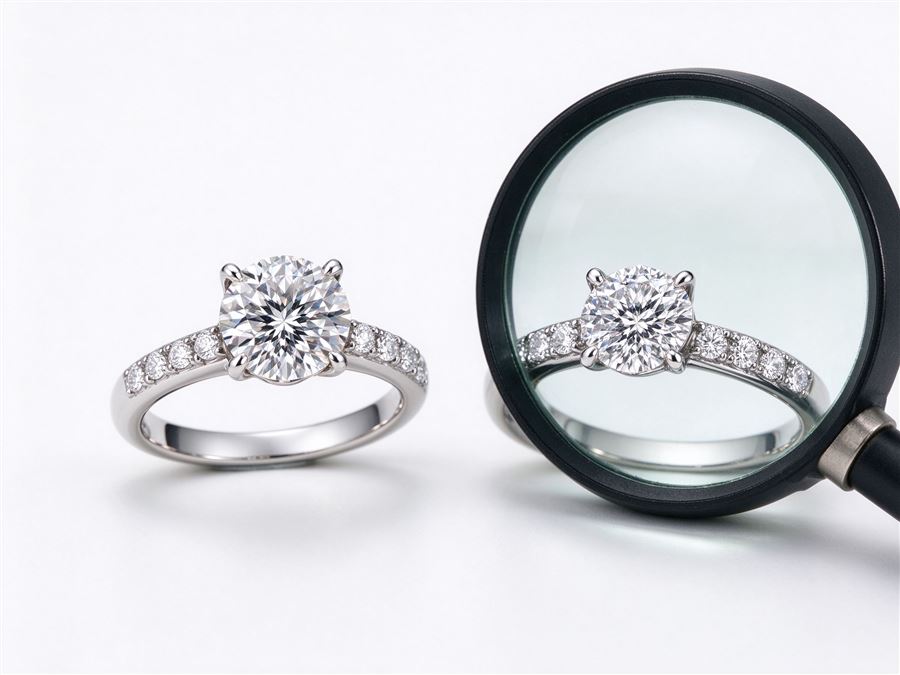
Unsure whether that dark look is patina or damage? Book a 20-minute atelier check-up. We will look at the piece under magnification, tell you honestly whether to leave it or refresh it, and quote any re-finish on the spot. Trade stockists: our care-and-refinish service is available wholesale for retail clients; ask for the trade returns guide.