It is a familiar dilemma. You are heading to the gym and you look at your hand: do I leave the ring on, or take it off? Moissanite is hard and durable, which is good news, but the gym introduces risks that daily office life does not: barbells, sweaty hands, and the chance the ring slips off mid-move. Here is a practical breakdown of what is safe and what is not.

Why the Gym Is Different From Daily Wear
A moissanite ring handles normal wear beautifully. The gym is different for two reasons. First, sweat and body oils make fingers shrink slightly, which can loosen a ring that fit fine in the morning. Second, heavy equipment applies force and pressure that ordinary movement does not. The stone itself is rarely at risk; the setting and your finger are the concern. This is the same logic we cover in rings for active lifestyles.
Lifting Weights: Take It Off
If you lift weights, the safest choice is to remove the ring. Heavy barbells and dumbbells press against the band and prongs. Over time, repeated pressure can bend prongs, loosen stones, or flatten the band. This is not about the stone scratching; it is about the setting taking a beating. A ring dish in your gym bag solves this neatly. The occasional wear during light lifting is unlikely to cause harm, but regular heavy training deserves the ring off.
Cardio and Running: Usually Fine
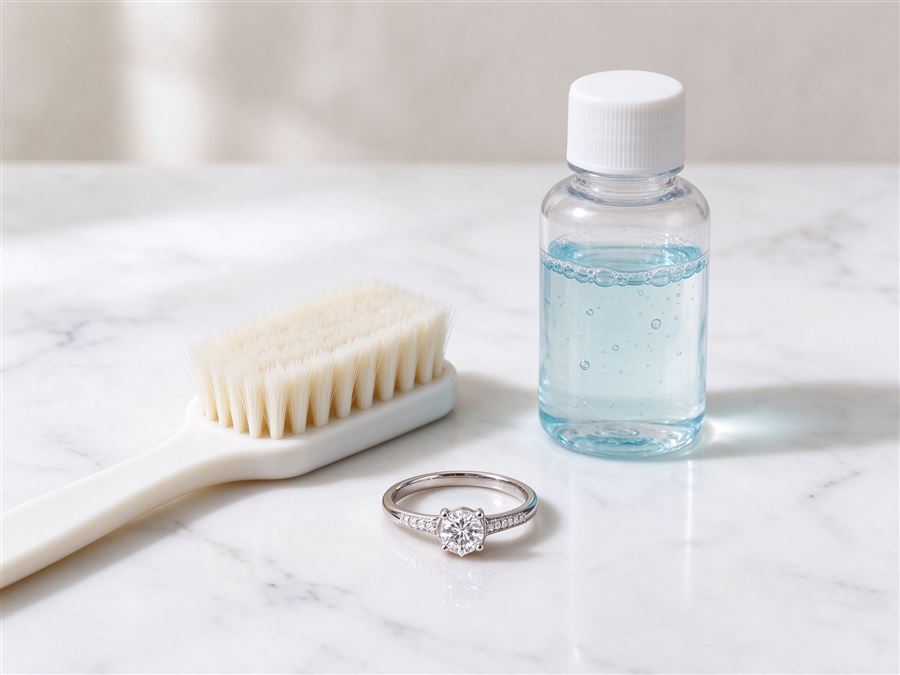
Running, cycling, rowing and most cardio machines do not put pressure on the ring. Sweat is the only factor, and that mainly means the ring might feel looser. If your ring fits comfortably and does not slide, it is fine. If you notice it turning loosely on the finger, give it a quick clean after the session, since sweat and salt can dull the finish. Our home cleaning method takes five minutes.
Yoga and Stretching: Watch the Mat
Yoga is generally gentle on the ring, but two risks appear. The first is pressure on the mat during poses like downward dog, where the hand supports body weight. The second is lotions and oils used in some studios, which film the stone. A bezel or low-profile setting copes better here than a tall solitaire. If your ring sits high, consider removing it during yoga to avoid knocks.
Swimming: Cool Water Means Cold Fingers
Water itself does not harm a moissanite ring. The risk in the pool is temperature: cold water makes fingers shrink, and a ring that fit snugly can slide off in the water. Rings lost in pools are almost never recovered. If you swim, either wear a snug-fitting ring or remove it. This ties into our advice on keeping rings safe on the move.
The Prong Check Habit
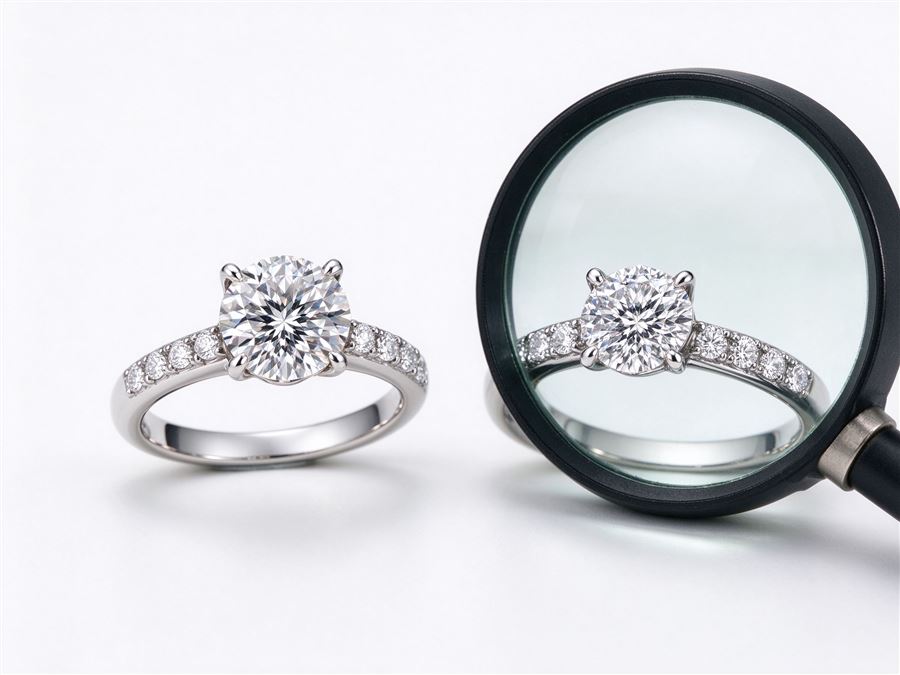
If you regularly wear the ring during workouts, make a monthly habit of checking the prongs. Run a soft cloth over the stone; if it catches or tugs, a prong may be bent. Catching a bent prong early prevents the stone from working loose. When in doubt, a jeweler can inspect and tighten. Normal wear and tear is explained in what normal ring damage looks like.
The Bottom Line
Moissanite can handle the gym, but smart habits protect the setting. Remove the ring for heavy lifting, keep it on for cardio if it fits snugly, be cautious in yoga and cold water, and check the prongs once a month. A small ring dish in your gym bag makes the decision easy. For more on active life with your ring, browse our wedding bands built for everyday wear.
Why Sweat and Temperature Matter
Sweat itself does not harm moissanite, but two side effects do. First, salty sweat can dull the finish over a long session. A quick rinse afterward prevents buildup. Second, sweat makes fingers shrink, which can loosen a ring that fit snugly in the morning. If your ring turns loosely during exercise, take it off. A loose ring is one hard movement away from slipping off. This ties into everyday care in moissanite jewelry care.
The Prong Check Habit
If you wear the ring during workouts, make a monthly habit of checking the prongs. Run a soft cloth over the stone; if it catches or tugs, a prong may be bent. Catching a bent prong early prevents the stone from working loose. Heavy lifting is the main cause, which is why we recommend removing the ring for weights. When in doubt, a jeweler can inspect and tighten. Normal wear is explained in what normal ring damage looks like.
A Ring Dish in Your Gym Bag
The simplest solution is a small soft pouch or ring dish in your gym bag. When you take the ring off for lifting, it goes straight into the pouch, never onto the bench or the locker room counter. Those two places are where rings get lost or stolen. Build the habit once and it protects the ring every session. For more on active life, browse our durable wedding bands built for everyday wear.
When to Definitely Take It Off
Three activities deserve the ring off: heavy lifting, swimming in cold water, and contact sports. Weights bend prongs, cold water shrinks fingers, and knocks can catch a high setting. For cardio, running and yoga, the ring is usually fine if it fits snugly. Use a small pouch in your gym bag as the permanent home for the ring during these moments. Build the habit once and it protects the ring every session. We cover broader daily wear in moissanite jewelry care.
After the Workout: A Quick Rinse
Sweat and salt can dull the finish over repeated sessions. A quick rinse under fresh water after training, or a wipe with a soft cloth, keeps the ring bright. This matters more for plated settings than for the moissanite itself, which is unaffected. If your ring regularly looks dull after training, a deeper home clean brings the sparkle back. For rings built for active daily wear, browse our wedding band range.