Wedding Band Wear: What Normal Damage Looks Like and How to Fix It
A wedding band is the piece of jewelry that never comes off. It goes through dishwashing, hand sanitiser, gardening, gym sessions, and long flights. After a few years it does not look the way it did on the wedding day. Some of that is normal patina, some of it is wear that needs a jeweller, and some of it is damage you should not ignore. Here is how to tell the difference.
The Normal Wear You Can Ignore
Micro-Scratches
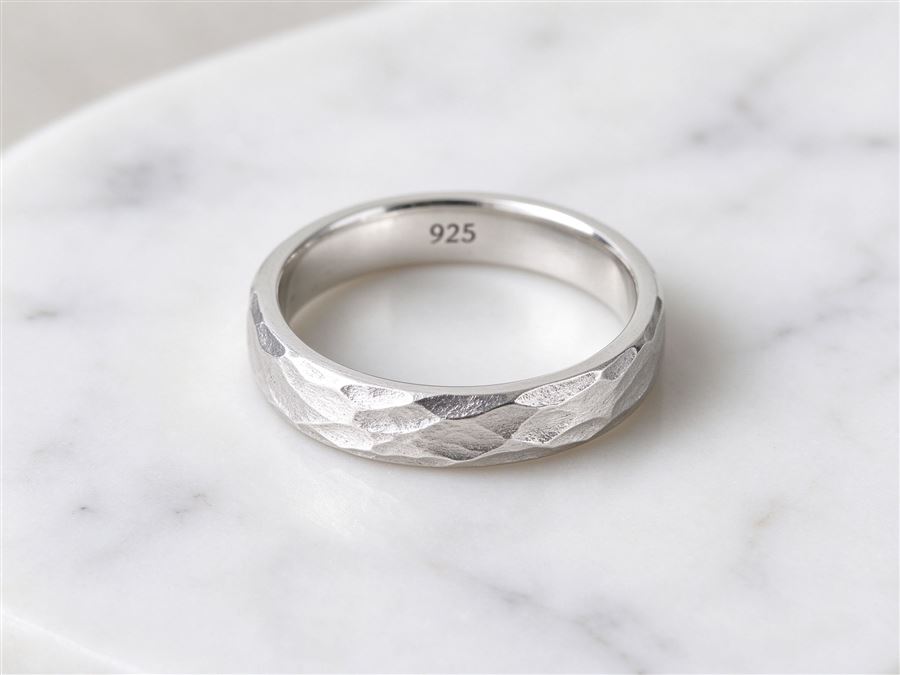
After a year of daily wear, a gold band will have a fine network of micro-scratches. This is not damage. It is the patina of a ring that is being lived in. On platinum, these scratches actually make the metal look richer. On polished gold, they soften the mirror shine into a satin finish. Most people grow to prefer the lived-in look, and it is a sign the ring is doing its job.
Slight Softening of the Edges
The sharp outer edges of a new band will round slightly over years. This is normal wear and is part of why a well-worn ring feels comfortable. It is not a structural problem.
A Slight Warm Tone in White Gold
White gold is rhodium plated. Over one to three years the plating wears thin and the underlying warm gold shows through. This is expected, not a defect. Re-plating every year or two brings the bright white back.
The Wear You Should Not Ignore
Thinning at the Bottom of the Band
The part of the band that faces the palm takes the most friction. Over decades it can thin. You can feel it with your fingernail: if the band suddenly feels paper-thin in one spot, it is time for a jeweller. A thinned band can split, and that is a repair you do not want to discover on a Tuesday.
Bent or Lifted Prongs
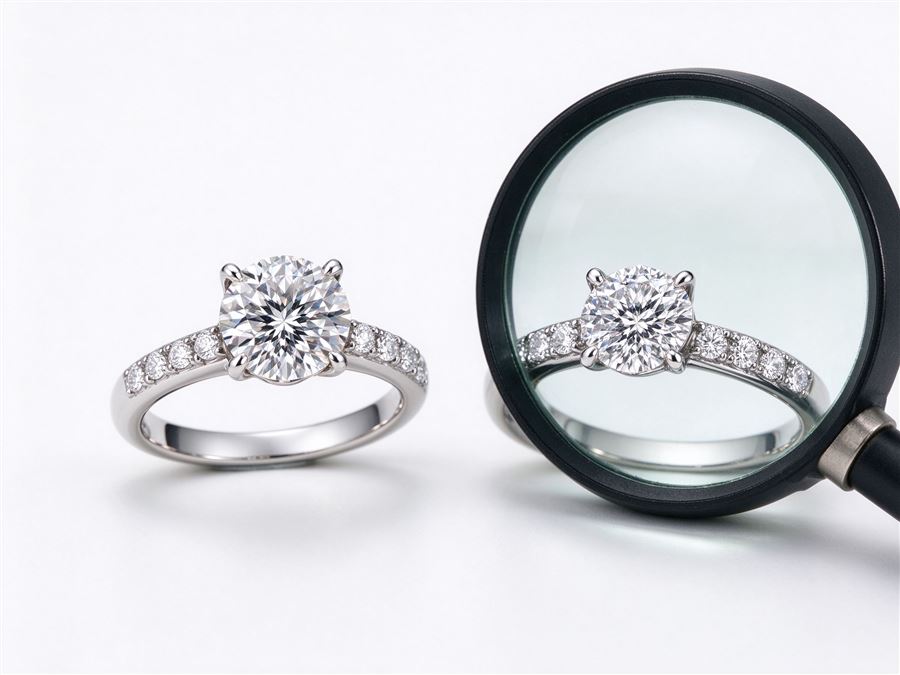
Run a fingernail across each prong. If one catches, if one looks shorter than the others, or if the stone shifts when you nudge it, the prongs need attention. A lifted prong is the most common reason stones fall out. This is a five-minute repair at a jeweller, and ignoring it is how engagement rings end up without stones.
Cracks at the Shoulders
The shoulders where the band meets the setting are stress points. A hairline crack there means the metal is fatigued. It can be repaired, but it needs to be caught early. If you see a dark line you cannot wash away, take the ring in.
Loose Stones in the Pavé
If a small accent stone sounds like it rattles when you tap the ring, it is loose. The bead holding it has failed. Leave it alone and the stone will fall out. A jeweller can re-bead it in minutes.
Polishing: How Much Is Too Much?
A professional polish removes a tiny layer of metal to bring back the shine. It is safe once every few years. It is not safe every month, because each polish removes a little gold and over decades that thins the band. For daily maintenance, use a polishing cloth at home, which lifts surface oils without removing metal. Save the machine polish for once every two or three years.
Re-Plating White Gold
Rhodium plating wears off on a schedule. Most white gold rings need a re-plating every 12 to 24 months, depending on how often the ring is worn and how much hand sanitiser the hands are exposed to. The process takes a jeweller a day and costs less than most people expect. It is not a sign the ring is cheap, it is just how white gold works.
Resizing Later in Life
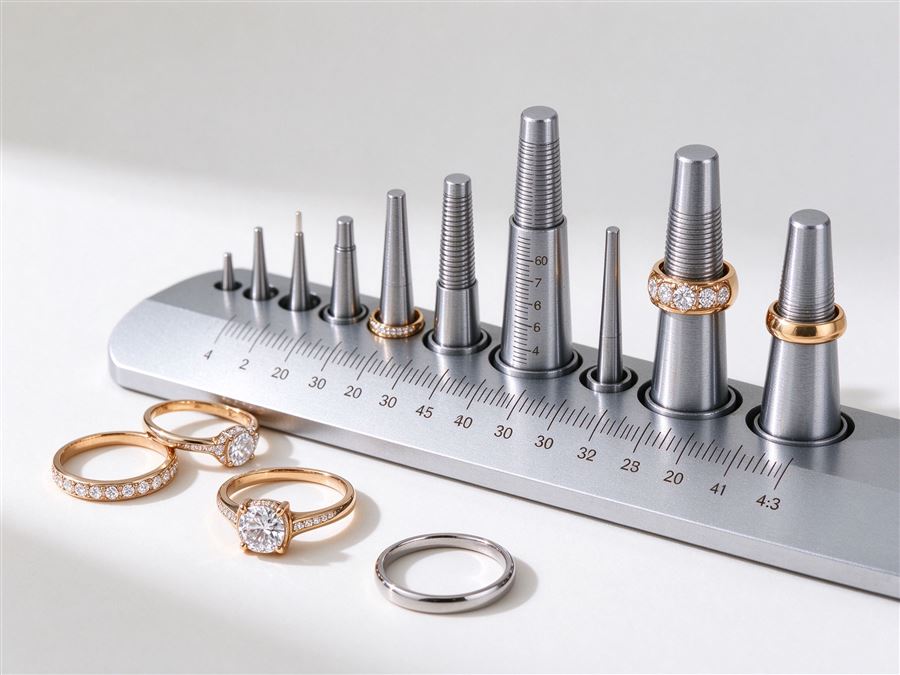
Fingers change. Weight changes, age changes, humidity changes. A ring that fit on the wedding day may be loose or tight ten years later. Resizing is possible on most bands, but not infinitely. Each resize thins the metal slightly and weakens the solder. After two or three resizes, a jeweller may recommend rebuilding the band. Size the ring correctly the first time to avoid this.
The Annual Checkup
Treat your ring like a car. Once a year, take it to a jeweller for a prong check, a steam clean, and a look at the band thickness. Ten minutes in the workshop catches the small problems before they become expensive ones. HOLYCOME customers can send their rings back to us for this service, and local independent jewellers do the same work.
How Wear Actually Happens
Every time a wedding band brushes a surface, a microscopic layer of metal transfers. The band is not being scratched so much as reshaped. Over a decade, that transfer adds up. The bottom of the band thins, the edges soften, and the sharp corners round. This is not damage. It is the ring being lived in. Most owners prefer the look, and the ring feels comfortable because of it.
The Band Thickness Test
Once a year, feel the bottom of the band with your fingernail. If it suddenly feels paper-thin in one spot, it is time for a jeweller. A thinned band can split, and that is a repair you do not want to discover on a Tuesday. Catching it early means adding a small bead of gold. Catching it late means rebuilding the band.
Polishing and Metal Loss
Every machine polish removes a tiny layer of gold. Once every two or three years is fine. Once a month is not. Between professional polishes, a polishing cloth at home lifts surface oils without removing metal. The cloth is the right tool for monthly maintenance. The machine is for the annual refresh.
White Gold Rhodium Schedule
Rhodium plating wears off on a schedule. Most white gold rings need re-plating every 12 to 24 months. If you sanitise your hands twenty times a day, the schedule shortens. The re-plating is a day at the jeweller and a modest fee. It is not a sign of a cheap ring, it is how white gold works.
Resizing After Years of Wear
Fingers change with age. A ring that fit at twenty-five may be loose at forty-five. A resizing after ten years is also a chance to check the prongs, polish the band, and re-plate. Treat the resizing trip as a full service visit.
How Wear Actually Happens
Every time a wedding band brushes a surface, a microscopic layer of metal transfers. The band is not being scratched so much as reshaped. Over a decade, that transfer adds up. The bottom of the band thins, the edges soften, and the sharp corners round. This is not damage. It is the ring being lived in. Most owners prefer the look, and the ring feels comfortable because of it.
The Band Thickness Test
Once a year, feel the bottom of the band with your fingernail. If it suddenly feels paper-thin in one spot, it is time for a jeweller. A thinned band can split, and that is a repair you do not want to discover on a Tuesday. Catching it early means adding a small bead of gold. Catching it late means rebuilding the band.
Polishing and Rhodium
Every machine polish removes a tiny layer of gold. Once every two or three years is fine. Once a month is not. Between professional polishes, a polishing cloth at home lifts surface oils without removing metal. White gold rhodium plating wears off on a 12 to 24 month schedule. Re-plating is a day at the jeweller and a modest fee. It is not a sign of a cheap ring, it is how white gold works.
Resizing After Years
Fingers change with age. A ring that fit at twenty-five may be loose at forty-five. A resizing after ten years is also a chance to check the prongs, polish the band, and re-plate. Treat the resizing trip as a full service visit.
The Bottom Line
Micro-scratches and soft edges are the patina of a loved ring, and you can enjoy them. Thin bands, lifted prongs, hairline cracks, and rattling stones are repairs, not character. Polish occasionally, re-plate on schedule, and get an annual checkup. A well-maintained wedding band will outlive the marriage in legal paperwork and become an heirloom in actual fact.