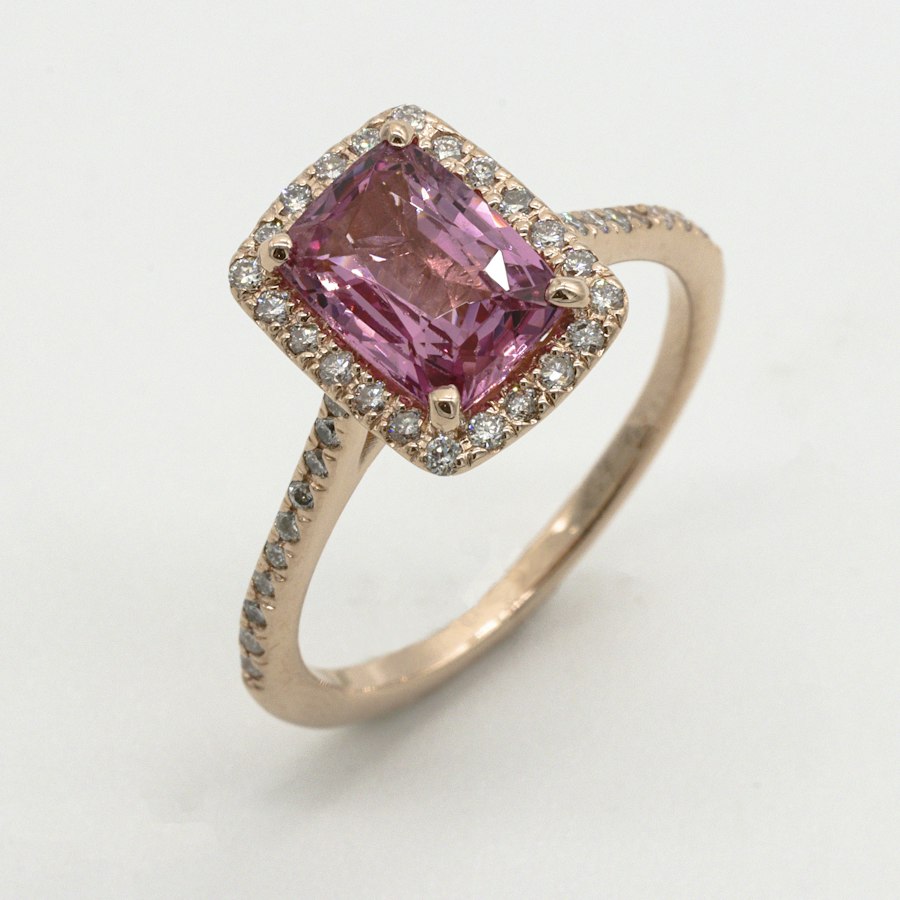
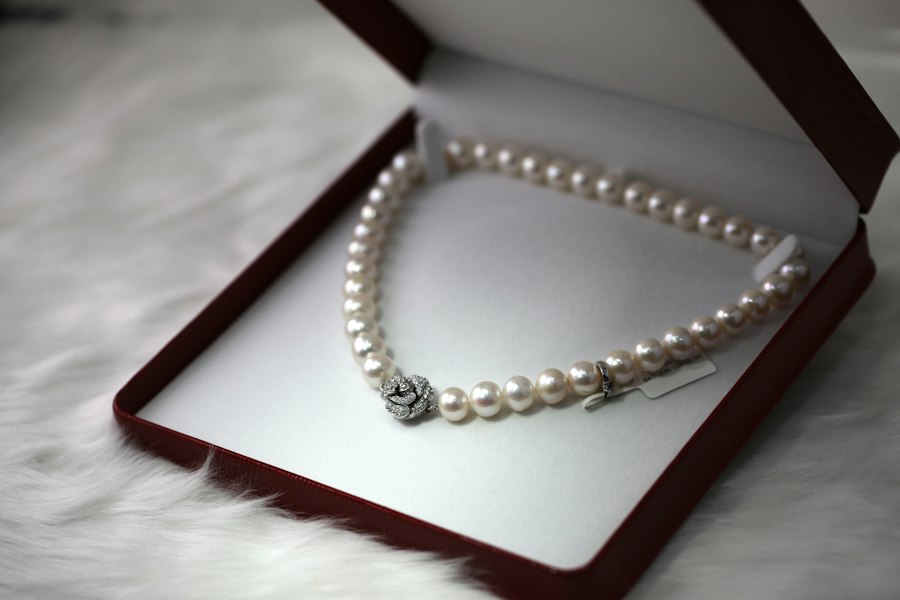
If you have spent any time looking at colored stone engagement rings, you have seen the name. Ceylon sapphire. It appears in descriptions, in auction listings, and on the fingers of people who want a ring that is unmistakably blue without looking like a costume. The name comes from the old spelling of Sri Lanka, and the sapphires from that region have a reputation that the market has, on the whole, earned. Here is what you should actually know before commissioning a ring around one.
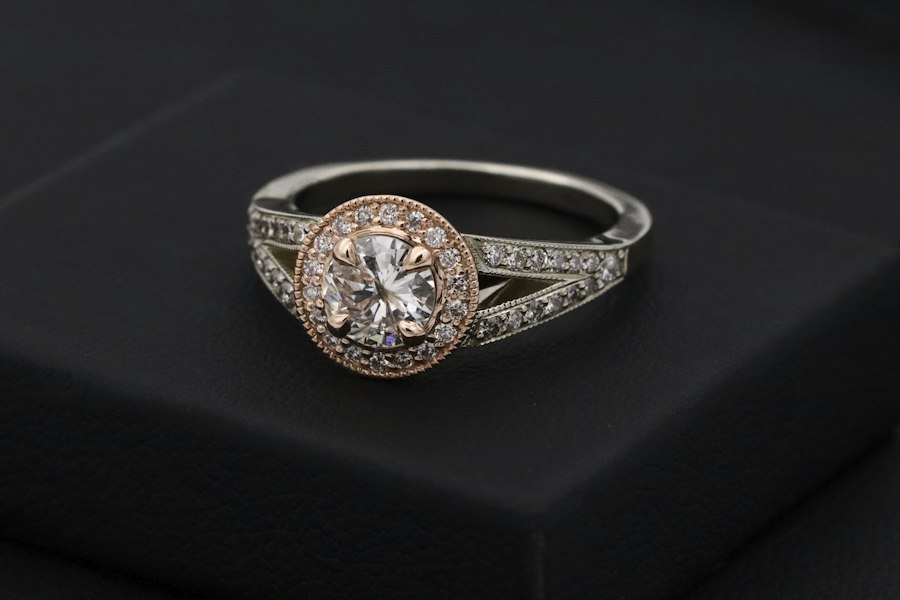
First, the color. A fine Ceylon sapphire is a medium-to-velvety blue, neither the inky navy of a Montana sapphire nor the electric neon of a heated Thai stone. The best stones read as blue in daylight and slightly violet-blue under warm indoor light. That shift is part of why people love them: the ring changes mood with the room. Color in sapphires is graded by tone and saturation, not by a single number, so the only honest way to choose is to see the stone in person under different light. A photograph of a Ceylon sapphire flatters some stones and flatters none of them fully. Our broader guide to colored gemstones for engagement rings covers how we examine stones at the bench.
Second, heat treatment. Most sapphires on the market today are heat treated to improve color and clarity, and this is a stable, accepted, and permanent treatment. Unheated Ceylon sapphires exist, but they command a significant premium and are rarer. For a daily-wear engagement ring, a well-chosen heated stone is usually the smarter buy: you get a larger, cleaner stone for the same money, and the treatment does not wear off. We will tell you, in writing, exactly what treatment your stone has, because this affects both price and resale. If you are exploring the broader ethical side of stone choice, our article on ethical sourcing in bespoke jewelry lays out the questions worth asking.
Third, hardness and durability. Sapphire scores 9 on the Mohs scale, just under diamond at 10. That makes it a reasonable daily-wear stone, but it is not indestructible. Sapphires can chip along the edges of the crown if struck sharply, and they are more brittle than their hardness number suggests. This changes the setting conversation. A sapphire should be set slightly lower in its setting, with more metal coverage on the girdle, than a diamond of the same size. Prongs should be checked annually, because they loosen faster around a slightly slippery sapphire surface. We build sapphire rings with these habits in mind from the first sketch, which is one reason a bespoke setting fits the stone better than an off-the-rack mount. The setting types we use are explained in our setting types guide, and you will see that bezel and semi-bezel options are particularly well suited to sapphires.
Fourth, price. Ceylon sapphires are priced per carat with a wide spread, driven mainly by color. A 1-carat fine blue can be dramatically more expensive than a 2-carat stone of a dull gray-blue. If you have a budget, the smart move is to decide first whether color or size matters more to you. Most clients land somewhere in between: a 1.2 to 1.8 carat stone of good color, set in a clean solitaire. Accent stones can be small diamonds or baguettes, kept quiet so they do not compete with the blue. Because the sapphire is already doing the visual work, the metal choice is usually simple: platinum or 18k white gold for a cool, crisp look, or 18k yellow gold for a warmer, more vintage feel. We cover the metal trade-offs in platinum versus 14k and 18k gold.
Fifth, buying loose versus mounted. Because color is so personal, we strongly prefer selecting the loose sapphire together, then designing the setting around the chosen stone. This is the bring-your-own-stone model turned inside out: we source several candidate stones in your budget, you compare them under our lights, and the one you choose becomes the center of the ring. This avoids the disappointment of ordering a sapphire ring online that arrives a different color than the photo. We describe how this selection conversation works in the gemstone selection process.
Finally, think about how the ring will age. A Ceylon sapphire engagement ring is not a trend. It is a piece people hand down. The Queen's engagement ring was a Ceylon sapphire surrounded by diamonds, and that choice has held up for decades. If you are building a ring you intend to keep in the family, choose a stone and a setting that your children will understand without explanation. Clean lines, honest materials, a blue that reads as blue. That is the whole brief.
If you are curious what a Ceylon sapphire looks like on your own hand, come in and try a few. The stone that photographs best is rarely the one that looks best in person, and the only way to know is to see them side by side under daylight.