A client who had worn a 6 mm 18k gold band for twelve years tried on the same design cast in 950 platinum. He put it on and said nothing for ten seconds, then asked if it was a size too small. It was not. It was the same millimetres, the same finger, but the platinum version carried about a third more metal because platinum is denser than gold at the same volume. That feel is the whole reason people order platinum, and it is also the reason it surprises them.
The density number behind the feel
950 platinum is roughly 21.45 grams per cubic centimetre at room temperature; 18k gold sits around 15.5. In practice, a comfort-fit band that weighs 6 grams in 18k gold weighs about 8 to 8.5 grams in the same millimetres in 950 platinum. That extra mass is what the client felt on the finger. It is not a size difference. It is not a sizing problem. The platinum density and alloy data are the reason watchmakers and surgical-instrument makers also choose this metal.
What density does to a setting
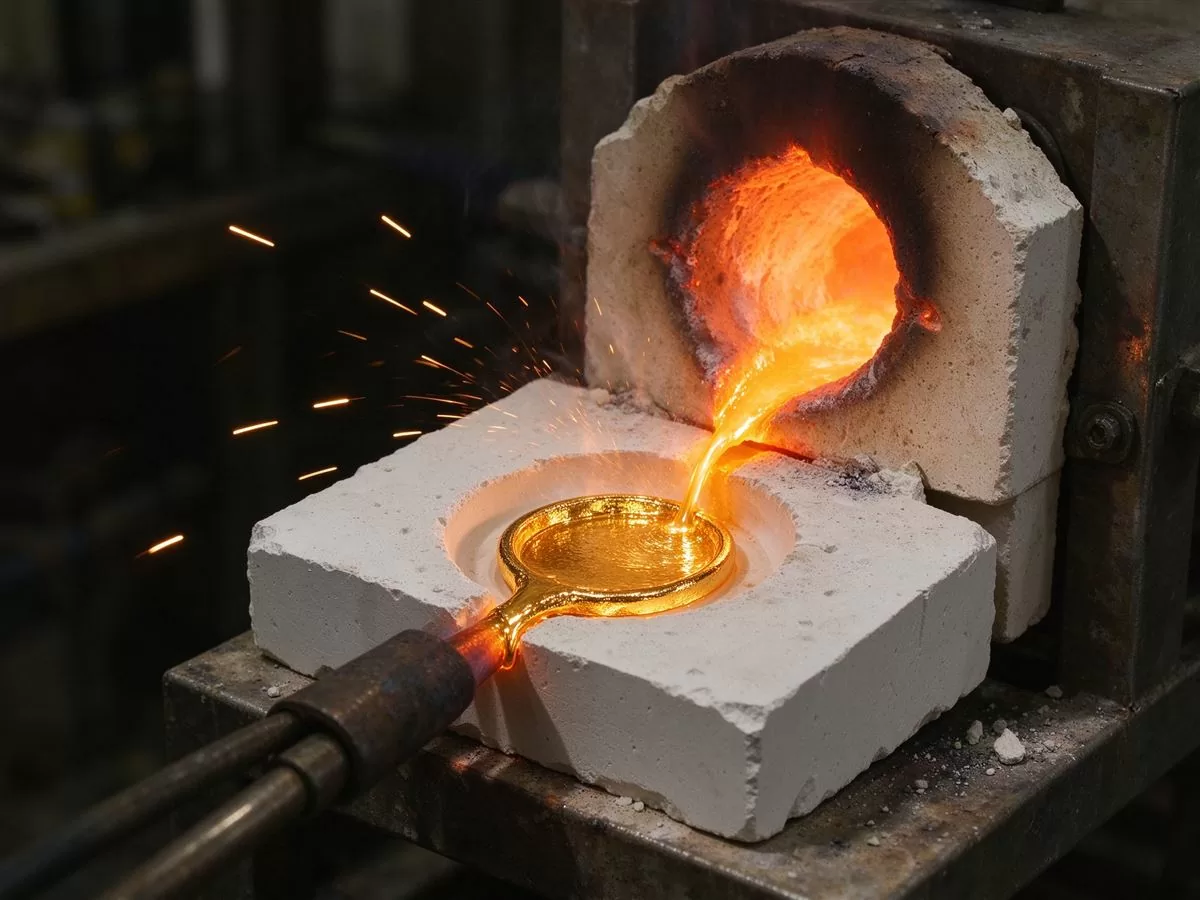
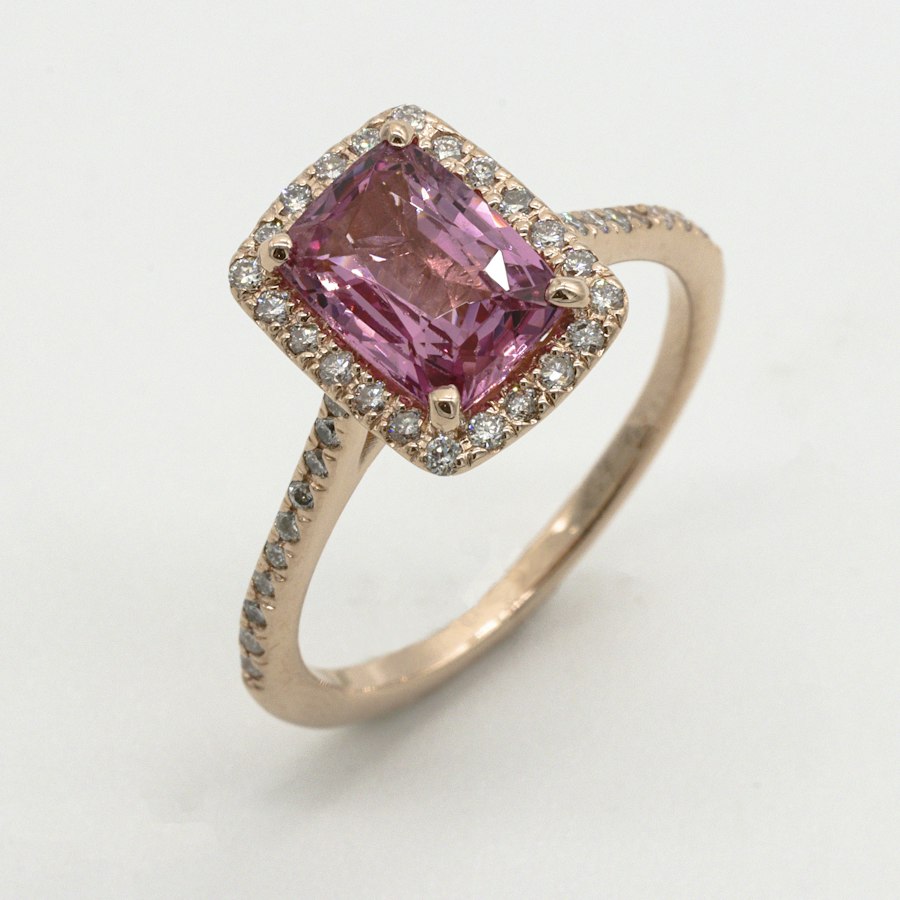
Because platinum is denser and harder to scratch, prongs can be thinner and still hold a stone securely. A 0.6 mm prong in platinum holds like a 0.9 mm prong in 18k gold. That lets the jeweller set a stone lower, which is why platinum solitaires look more open and less head-heavy than gold ones. The trade-off is casting. Platinum melts at roughly 1,770 degrees Celsius, far above gold, so each pour is slower and foundry time costs more. We walk through the casting step in the wax-to-casting maker's journey.
When platinum is the wrong call
Platinum is not always the right choice. For a wide 10 mm signet worn to an office desk, the extra weight becomes a nuisance by lunchtime. For clients who work out, cook, or garden, a denser band also catches the light and shows surface swirls faster than polished gold. For those clients we suggest 18k white gold with rhodium, or 950 palladium, which sits between gold and platinum in density. The metal choice is part of the first sketch, not a last-minute toggle. Compare our notes on men's ring metal choices for the side-by-side numbers.
Hallmark and purity expectations
In most markets 950 platinum is the standard jewellery alloy, not pure platinum. The 5% balance is usually iridium or ruthenium for castability. The piece should carry a 950 hallmark and a sponsor mark. The FTC Jewelry Guides require that purity be marked accurately, so a piece stamped plat must actually test to the standard. Our trade programme stamps every piece before dispatch so retail partners do not have to.
Polishing schedule for a platinum piece
Platinum develops a soft patina within months, and most clients choose to keep it on the high points. We recommend a professional polish once a year, not monthly. Over-polishing a platinum band thins the wall, because platinum does not shed metal the way gold does. We include the first annual polish free in the commission, and we mark the band weight on the work order so you can check it on the scale at the next visit.
Compare the feel question against our rose gold versus yellow gold guide when you are choosing between colours, because the weight difference between gold alloys is smaller than the gap between gold and platinum. Clients who try platinum once usually come back to it for the next commission, because the density settles into the finger and stops feeling heavy after a week.
FAQ
Is platinum hypoallergenic?
950 platinum is one of the safest metals for sensitive skin because it contains almost no nickel. The trace alloying elements are iridium, ruthenium, or cobalt, which rarely trigger reactions. If a client has a known metal allergy, we still recommend a skin test with a sample before casting.
Does platinum scratch more than gold?
It scratches, but it does not lose metal when it does. A gold scratch moves gold sideways; a platinum scratch displaces the metal without removing it, which is why platinum bands develop a soft patina instead of thinning. Many clients polish theirs back once a year.
Can you resize a platinum band?
A half-size change is a short job. A full size up needs a reline because the melting range is narrow. We build a shoulder allowance into every bespoke platinum band so the first resize is straightforward, and we include it in the work order.
Why does platinum cost more than 18k gold?
Two reasons: the raw metal price per gram is higher, and casting takes longer because of the melting temperature. The density gap means you are also buying more grams of metal in the same ring.
Curious how a design of yours would feel in 950 platinum? Send the sketch or the millimetre spec. We will quote the platinum weight against the gold version, show you the density difference on paper, and offer a resin sample of the final width. Trade retailers: our platinum white-label pack includes the hallmark and purity checklist so your team can answer spec questions on the floor.