"Is the gold recycled?" is the question we get on roughly one in three bespoke quotes this year. The honest answer is that most of the gold in any modern atelier already contains a large fraction of scrap. The real choice is how that scrap is collected, refined, certified, and alloyed. Understanding the difference stops clients paying a premium for a word and helps retailers quote consistently.
Where recycled gold actually comes from
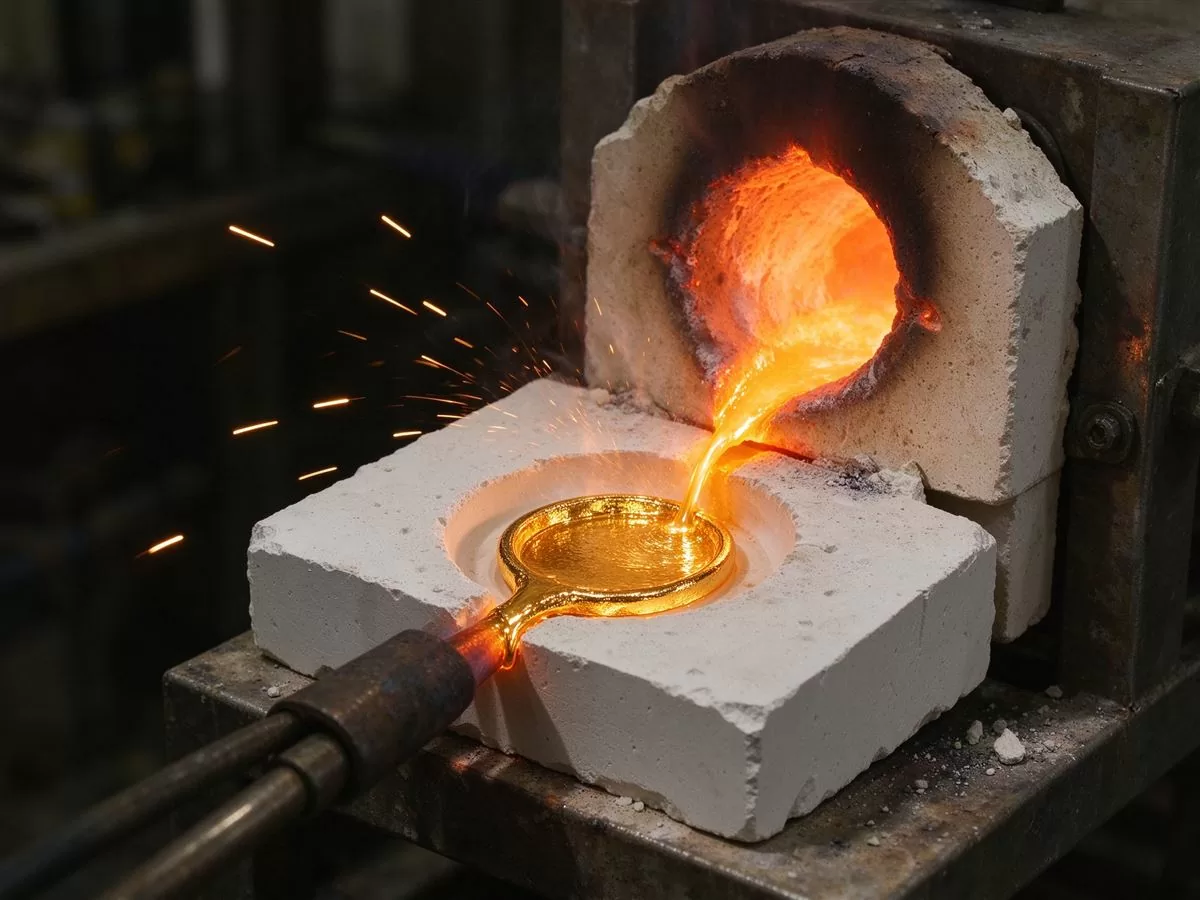
There are three streams. Post-consumer scrap is old rings, broken chains, and dental gold refined back to pure metal. Industrial scrap is factory offcuts, casting sprue, and polishing dust recovered from benches. Pre-consumer recycled is factory stock that never reached a consumer. At our atelier, casting sprue and bench offcuts make up about 40% of the gold that goes back into our own melts; the rest comes from certified refiners. Compare the colour behaviour across metals in our notes on rose gold vs yellow gold custom pieces.
Certifications that matter
The two labels you will see on a data sheet are RCS (Recycled Claim Standard) and Fairtrade/Fairmined gold. RCS certifies chain-of-custody and a minimum recycled content (usually 95%+), but it does not say anything about working conditions at the mine. Fairtrade gold is newly mined under certified standards, not recycled, but clients often confuse the two. If the selling point is environmental, RCS recycled is the claim; if it is community welfare, Fairtrade mined is the claim. We label each piece on the invoice so the sales story matches the paperwork.
Karat marking is not optional. Under 16 CFR Part 23, any gold jewellery sold in the United States must be marked with its karat fineness, and the mark must be truthful. 14k gold is 585 parts per thousand fine, 18k is 750. Recycled gold is alloyed to the same fineness, which is why a 14k recycled band wears the same stamp as any other 14k band.
Colour and consistency: the hidden trade-off
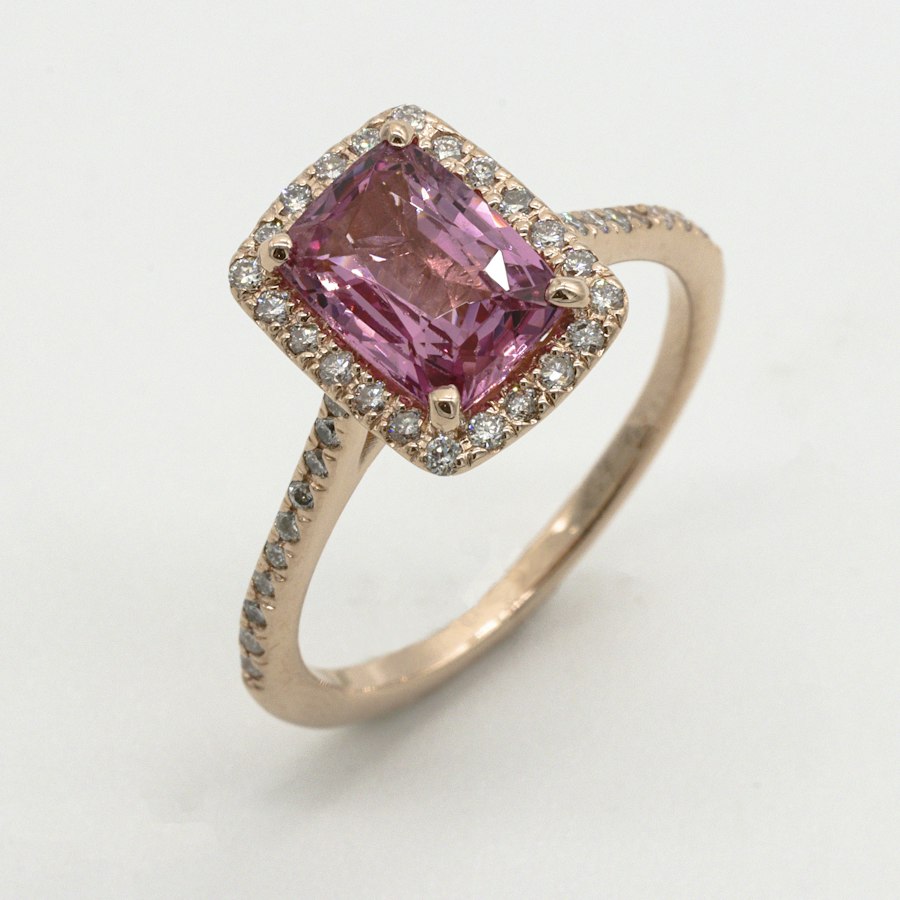
Pure recycled gold itself does not change colour. What changes batch to batch is the alloy. Yellow 18k is usually alloyed with silver and copper; rose 18k leans copper; white 18k uses palladium or silver plus a rhodium flash. When a refiner returns a batch of recycled fine gold, we re-alloy it to our own recipe rather than casting with whatever came back. That is how we hold a consistent rose tone across a bridal set ordered six months apart. If we did not re-alloy, the second ring would drift slightly pinker or paler.
Nickel release is another check. White gold made with nickel alloy can trigger contact dermatitis, and the EU Nickel Directive limits release from jewellery that contacts skin to 0.5 micrograms per week. We use palladium-white alloy for rings and ear posts sold into EU markets; read our notes on platinum weight and feel if clients prefer a white metal that needs no rhodium flash at all.
What recycled gold does to the price
Recycled fine gold trades close to the same London Bullion Market spot price as newly mined gold, usually within a 1-3% refining spread. The sustainable premium retailers see is in certification and traceability paperwork, not in the raw metal. A 5 g 18k band built with RCS recycled gold costs roughly the same metal weight as a band built from newly mined gold; the difference shows up on the certificate pack, not on the scale. Read our what bespoke pricing includes guide if you want to see where the rest of the invoice goes.
We melt and cast in-house, so clients can bring their own scrap: old chains, single earrings, broken rings. After assaying, we credit the metal weight against the new commission, minus the 4-6% refining loss. See the process in our wax carving to casting walkthrough.
FAQ
Is recycled gold the same quality as newly mined gold?
Chemically, once refined to 99.99% pure, yes. The difference is traceability and alloy recipe, not purity. We re-alloy every batch to our own fineness so the result is consistent.
Can I send in my own old gold to be reused?
Yes. We assay it, credit the weight, and re-alloy it into the new piece. Expect a 4-6% refining loss and a couple of extra days in the timeline.
Does recycled gold turn the skin green?
No more or less than any other 14k or 18k gold. Greening usually comes from higher-copper low-karat alloys (9k and 10k), not from whether the metal was recycled.
What is the minimum recycled content for an RCS claim?
RCS requires at least 5% recycled input to enter the chain-of-custody, but a piece marketed as recycled gold should normally be 95%+ recycled. Ask for the certificate number, not just the logo.
Want a quote built with certified recycled gold? Send us the design, the karat you want, and whether you have your own scrap to send. We will return a written quote with the metal weight, the RCS certificate number, and the timeline. Trade partners: our recycled-gold data sheet lists the exact alloy recipes we ship, so your storefront claims match the invoice.