The first question is always "how much." The honest answer is that a bespoke quote is five line items, not one number, and the line that moves the price most is usually the one clients do not expect. We send every quote in writing with the line items broken out, because a price you cannot read is a price you cannot compare. This is what each line means, and where the budget actually goes.
Line 1: the stone (60-75% of the invoice)
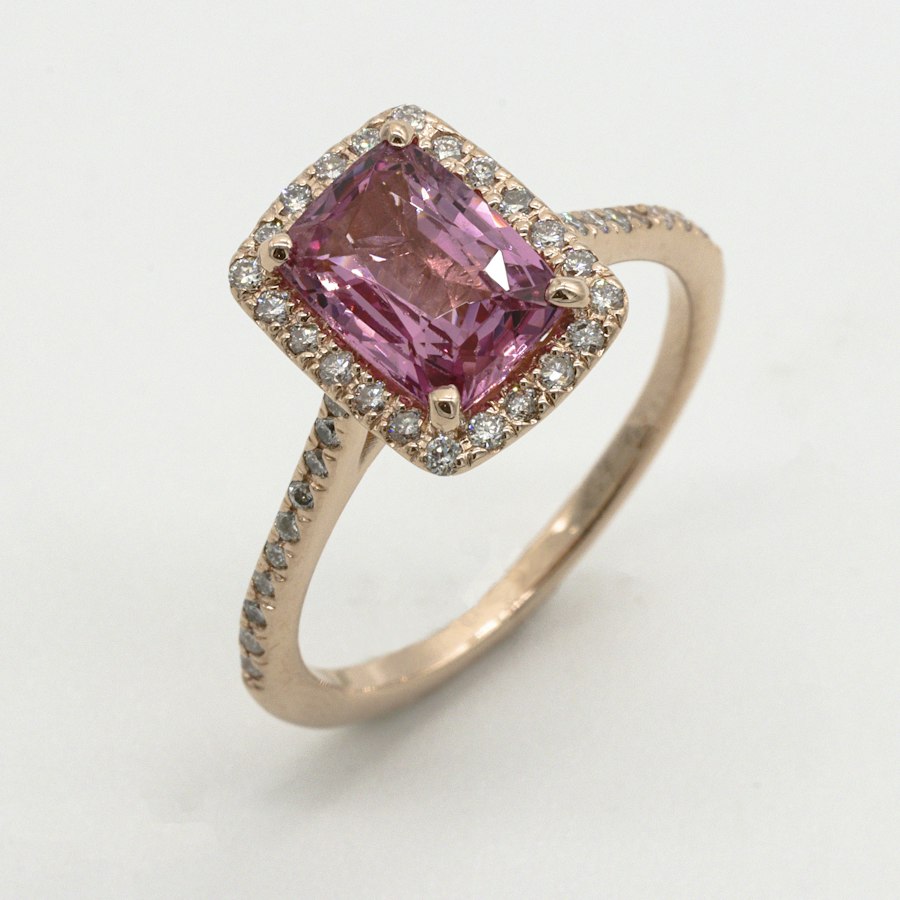
The center stone is the largest line on almost every commission. A 1.00 ct round diamond with a specific color and clarity is priced per carat, and per-carat price climbs steeply as size and clarity rise. Two 0.70 ct stones often cost less than one 1.20 ct, because smaller stones trade at a lower per-carat rate. Colored stones move differently: a fine no-heat sapphire is priced by color saturation, not carat. We use the GIA 4Cs as the shared reference so the client and the atelier are arguing about the same thing. We cover the broader decision in how much bespoke jewellery costs.
Line 2: the metal (10-20%)
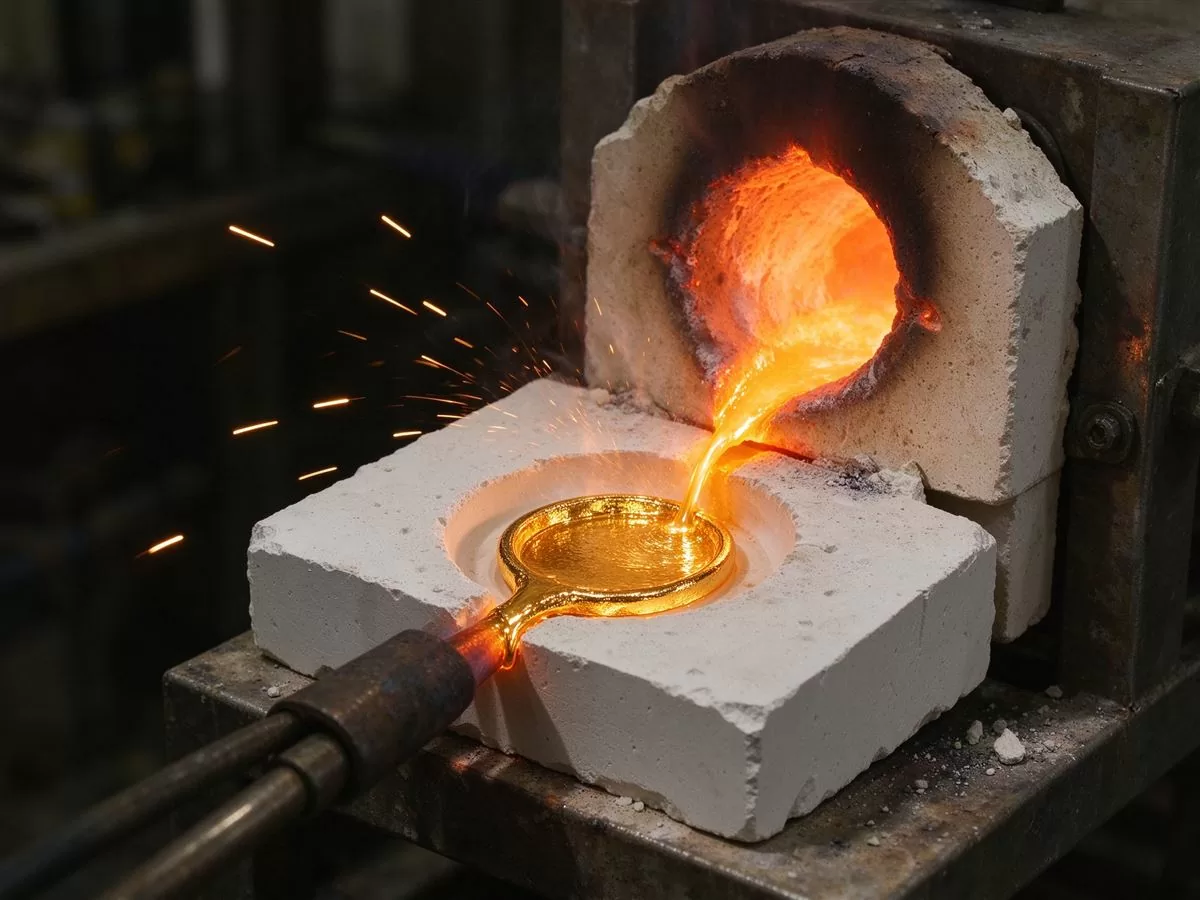
Metal is priced by weight and karat. A 14k gold band at 3 g costs roughly $120-180 in metal, depending on the daily gold spot. Platinum is denser and more expensive per gram; the same design in platinum weighs about twice as much and costs 3-4x the metal. We quote the metal weight on the work order, so the client can check it against the daily gold price. We cover alloy choices in custom gold karat and color, and platinum in platinum weight and feel.
Line 3: setting and making (10-15%)
Setting labour covers the bench jeweler's time: building the head, setting the stones, soldering, filing and polishing. A basic solitaire head runs $180-300 in labour. A three-stone or toi-et-moi setting runs $400-650. A hand-engraved or filigree piece can run $800+. This line is also where revisions after casting cost money: a free CAD revision becomes a recast fee once the wax is cast, because the whole step has to be redone. We cover the process in sketch to setting.
Line 4: finishing and plating (2-5%)
Rhodium plating on white gold is $40-80. Polishing and cleaning are usually included. Enamel inlay, diamond-pavé on the shoulders, and a custom patina are add-ons. We list them separately so the client can cut them if the budget is tight. The line is small, but it is where "nice to have" lives.
Line 5: rush, insurance and paperwork (variable)
Rush fees run 25-40% on top when the client needs the piece in under six weeks. A separate lab grading report for a stone over 0.75 ct is quoted separately. Shipping insured is quoted by destination. We also note that the FTC Jewelry Guides require disclosure of treatments, karat and origin, and we include that paperwork on the invoice rather than charging it as a surprise.
How to read a quote so you can compare
Two ateliers can quote the same design at very different prices, and the difference is usually not the quality. One quote may bundle the stone into a single line, while another breaks it out. One may assume 14k, another 18k. One may include rhodium, another charge it. We tell clients to ask for the stone certificate, the metal weight, and the setting labour as three separate numbers, and to compare those three before comparing the total. The broader pricing structure is covered in our cost factors breakdown.
FAQ
Why is one quote so much lower than another?
Usually because the stone is different. The same "1 ct" label can cover a stone with or without treatment, with or without a certificate, and in a lower color or clarity grade. Compare the certificate, the metal weight and the setting labour before comparing the total.
Can we reduce the price without changing the design?
Yes. Step the stone down 0.10 ct, switch from 18k to 14k, or drop the shoulder pavé. Each change saves money without changing the silhouette much. We show two quotes per commission, one comfortable and one stretched.
Are there hidden fees after the quote?
No. The quote includes stone, metal, setting, finishing and one set of CAD revisions. Rush, replating after delivery, and resize later are quoted separately when they come up, and we flag them in the original quote.
How far in advance should I get a quote?
Six to ten weeks before the date. Stone prices move, and the metal price on the quote holds for 14 days. We re-quote if you need more time, so nothing is locked until you sign.
Want a quote you can actually read? Send us a sketch, a reference photo or a sentence of the brief. We will come back with three line-item quotes: one in a conservative budget, one matching the design as described, and one in platinum. All in writing, all within 48 hours. Trade retail partners: our white-label quote template gives your sales team the same five-line structure we use, so your clients compare apples to apples.