A client once sent us a competitor's quote and our own for what looked like the same solitaire: same stone weight, same metal colour, same band width. The prices differed by $950. The render on both pages was nearly identical. The gap was not in the picture. It was in five line items that most customer-facing quotes collapse into a single number. Understanding those five items is the fastest way to compare bespoke quotes fairly.
1. Metal weight at spot price
Gold and platinum are bought by the gram at the day's spot price, plus a refining spread. A 5 g 18k ring uses 3.75 g of fine gold; a 5 g platinum ring uses 4.75 g of fine platinum, and platinum trades at roughly twice the per-gram price of gold. That single difference explains why a platinum solitaire costs about 30-40% more than the same design in 18k yellow gold. The weight itself moves with the design: a comfort-fit 3 mm band uses more metal than a flat 1.5 mm band. We quote the projected weight on every commission so this line is visible. Compare metals in platinum weight and feel.
2. Stone premium: the 4Cs move price more than you think
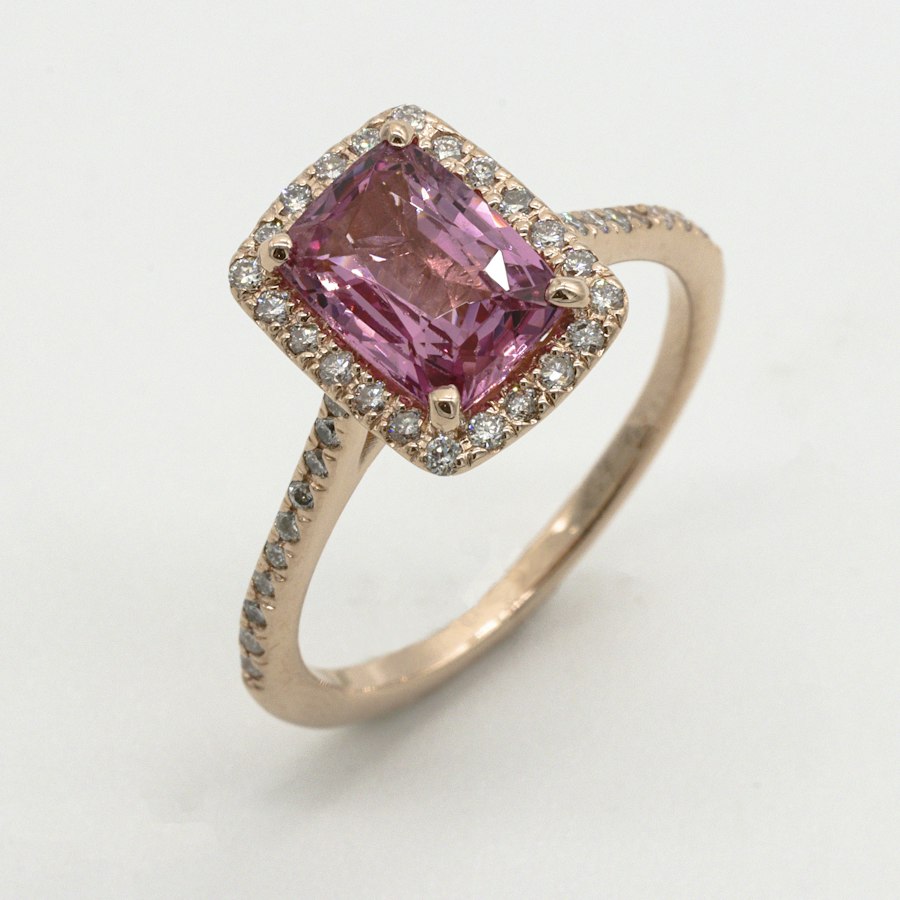
A diamond's price does not move linearly with carat weight. Jump from 0.90 ct to 1.00 ct and the price can rise 25-35% because the one-carat mark is a psychological and grading threshold. Colour from G to F adds cost; clarity from VS2 to VVS1 adds more; cut grade is the one most clients underestimate. We narrow stones using the GIA 4Cs and show two options on each quote so the premium is visible. Coloured stones move by rarity, not by weight; a fine sapphire can cost more per carat than a diamond of the same size.
3. CAD and model-making
The first 3D render is bench time. A simple solitaire CAD runs $150-$250; a pavé band with 40 melee stones runs $300-$500 because every stone seat has to be placed in the model. Two revision rounds are usually included; further rounds are billed by the hour. If the commission starts from a hand sketch, the technical sketch work sits in this line too. See what the client actually sees in our 3D printing notes. This is the cheapest place to spend time up front, because every hour spent in CAD saves hours at the bench.
4. Casting and setup
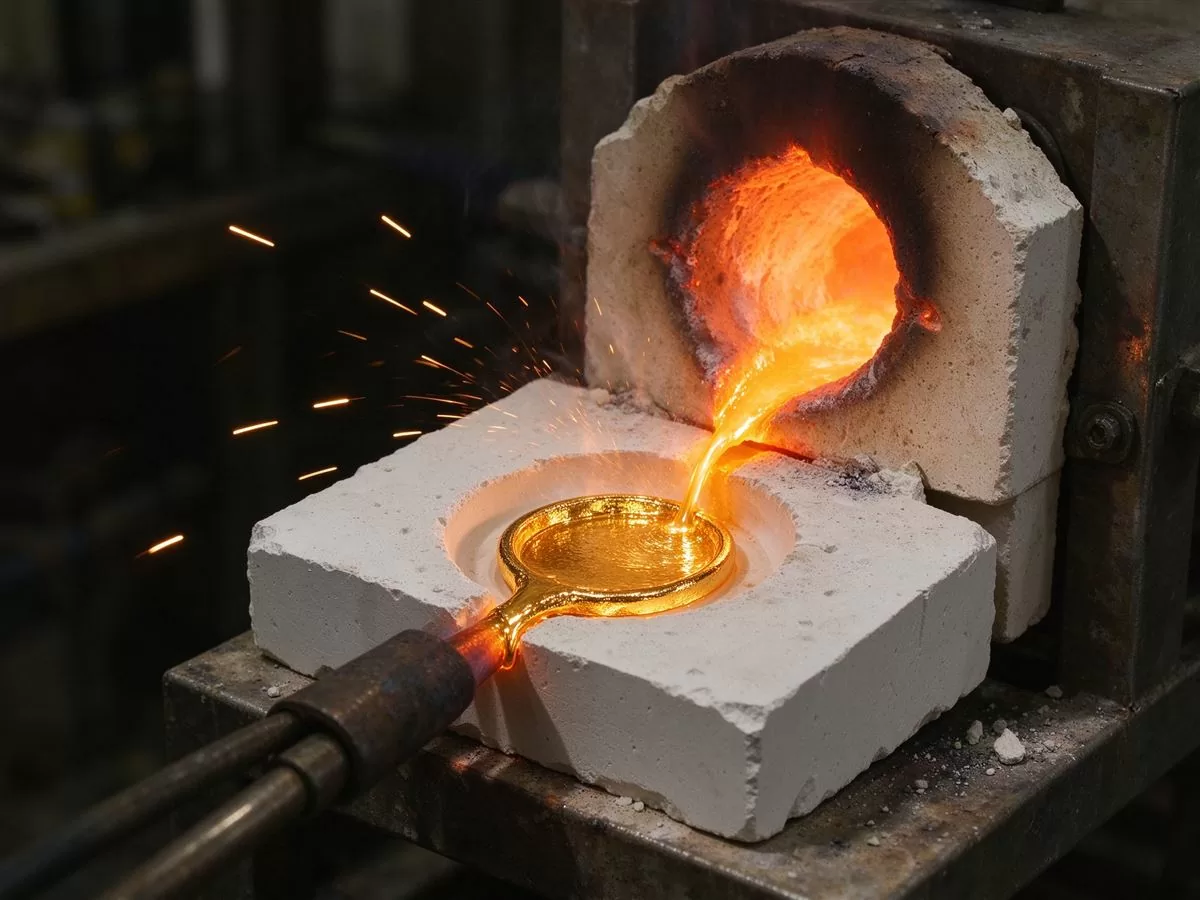
Lost-wax casting through a 3D-printed resin model costs $30-$80 per piece for the burnout, casting, and tree recovery. Hand-carved wax adds more time but is rarely cheaper than 3D printing for a one-off. Small runs of five or more share the setup cost; a one-off ring carries the full casting charge. The sprue and offcuts are returned to the metal pool, which is why our recycled-gold percentage stays high; see recycled gold options.
5. Setting, finishing, and hallmark
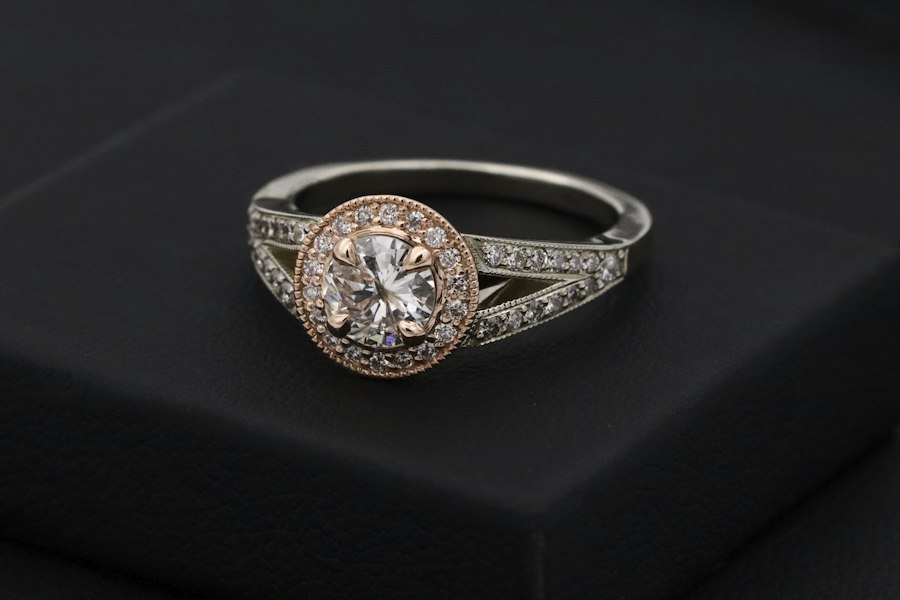
This is the line that separates a CAD render from a piece worn for twenty years. Hand-setting a centre stone runs $80-$150; pavé setting 40 small stones runs $200-$400 because each stone is placed and tightened by hand. Polishing, rhodium flash on white pieces, hallmark striking, and the final 10x inspection add another $60-$120. Retail markup, packaging, and insurance sit on top of all five. For the structure of a finished quote, read our what bespoke pricing includes and the entry-level view in how much bespoke jewellery costs. Rush fees sit on top of these five lines when a date is fixed, so widen the lead time wherever you can.
FAQ
Why does the same design cost more at another atelier?
Usually one of five things: heavier projected metal weight, a tighter stone grade, hand setting instead of cast-in-place, a longer CAD brief, or a higher retail margin. Ask for the line-item breakdown.
Can I reduce the cost without changing the look?
Yes. Step the stone down from 1.00 ct to 0.90 ct, drop from platinum to 18k gold, simplify pavé to a hidden halo, or widen the lead time to skip rush fees. We will show three lower-cost directions on every quote.
Are prices fixed or do they move with gold?
We hold the metal weight price for 14 days. After that we re-quote the metal line at the current spot. The stone, CAD, and labour lines are fixed once agreed.
Do trade retail partners get a different structure?
Yes. White-label partners buy at cost-plus lines (metal, stone, labour, casting) and set their own retail margin. The five lines stay visible on every invoice.
Want a transparent quote? Send the design, the stone parameters, and the metal you want. We will return a line-item quote showing projected metal weight, two stone options, CAD, casting, and setting, with the total held for 14 days. Trade partners: request our wholesale price sheet and we will set up your white-label account.