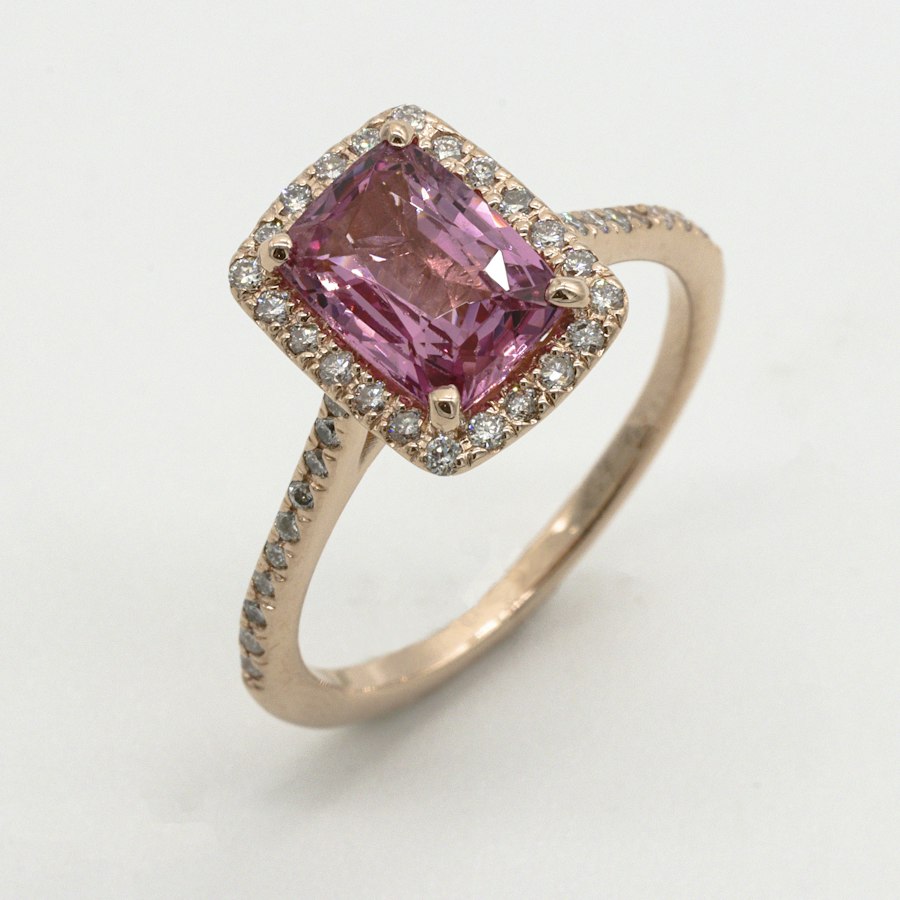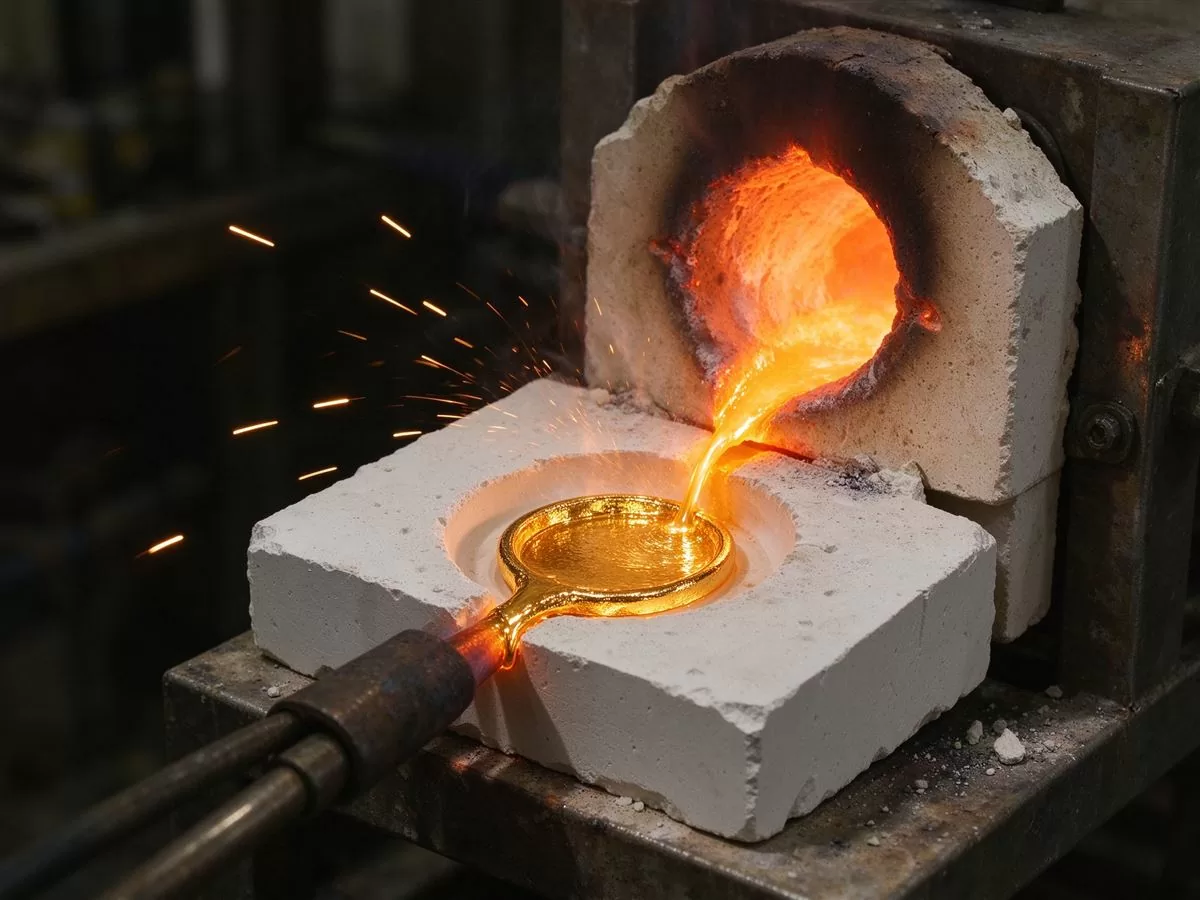
A client asked us last week, point-blank: "Is the gold in this ring recycled?" The honest answer is yes, and also that the question is more interesting than it sounds. Every gold bar coming out of a refinery has been melted from something older than the refinery. Gold is not consumed; it is moved. So the word "recycled" by itself does not mean what clients think it means. What they actually want to know is chain of custody: where the gold came from, who handled it, and whether the paperwork will stand up if a customer asks to see it.
What "recycled gold" means in the supply chain
At the refinery level, gold is scrap, jewelry melt, industrial recovery and old dental stock, all melted and assayed. A 99.99% bar is chemically identical whether it came from a mine last month or from a 1970s bracelet. That is why karat gold is a measure of purity in the alloy, not a measure of origin. The metal in your ring and the metal in a 19th-century pocket watch are the same atoms.
The problem is that "recycled" in marketing often means "we bought bars from a refinery," which is true of every jewelry brand on earth. Clients who want a defensible claim usually mean one of two things: either the gold comes from old jewelry they already own (called heirloom melt), or the gold carries a named certification with chain-of-custody paperwork.
The four traceable options clients actually ask for
Fairmined. Fairmined gold is certified by the Alliance for Responsible Mining and comes from small-scale artisanal mines that meet labour, environmental and trade standards. It is sold only through licensed Fairmined enterprises, and every gram carries a certification number. Price premium: roughly 8-12% over standard recycled gold per gram.
Fairtrade gold. Fairtrade is run by Fairtrade International and uses a similar audit model with a guaranteed minimum price and a social premium paid to the mining community. The supply is smaller than Fairmined, so lead time can add 2-3 weeks.
RCS (Recycled Claim Standard). Issued by Textile Exchange, the RCS certifies that a stated percentage of the material is recycled, with chain-of-custody verification through the supply chain. It is the most common certification we see on wholesale orders because the paperwork is lightweight and the premium is about 3-5%.
In-house heirloom melt. The client sends us old jewelry she no longer wears, we assay it in front of her, and we cast the new piece from that exact melt. This is the most personal version of "recycled" and the one that resonates when the ring is a redesign. We cover the design side in upcycling an inherited stone into a new ring.
What changes in the quote and the paperwork
The alloy itself is unchanged. A 14k Fairmined yellow gold looks and weighs the same as a 14k standard yellow gold; the difference is the certificate. What changes is three things. First, the per-gram metal cost, which rises with the certification. Second, the documentation: we include a certificate number and a chain-of-custody sheet in the delivery box, which wholesale retailers can show to customers. Third, the lead time, because certified stock is allocated rather than sitting on the shelf.
We also note that ECHA and the EU REACH framework set limits on nickel release and on certain substances in jewelry alloys, regardless of whether the gold is recycled or mined. A 14k white gold that passes REACH in 2026 is a different alloy than a 14k white gold from 2010, because the older versions used higher nickel content. The karat standard itself is set under ISO 9202, which defines the fineness ranges for gold alloys internationally.
For the cost split on a commission, see our cost factors breakdown, and the color trade-offs in custom gold karat and color choices.
FAQ
Is recycled gold the same quality as newly mined gold?
Chemically, yes. Gold is an element; once it is refined to 99.99%, the source does not change the metal. What changes is the social and environmental footprint of the supply chain, which is what the certifications measure.
Can we melt my old ring and cast the new one from it directly?
Usually, with two conditions. First, we assay the old ring to confirm its karat; second, we top it up with certified gold to hit the exact alloy, because melting alone rarely produces a clean 14k or 18k. The client's original metal is still the majority of the new piece.
Which certification is worth the premium for a retail customer?
Fairmined if the customer cares about artisanal mining communities; RCS if they want a defensible recycled claim at the lowest premium. Fairtrade sits between them. We recommend RCS for everyday pieces and Fairmined for engagement and wedding work.
Does recycled gold tarnish differently?
No. Tarnish comes from the alloy mix (copper and silver in 14k), not from whether the gold was mined or recycled. The care guidance is identical; see rose gold versus yellow gold for the copper-content difference.
Want a commission with paperwork you can show? Book a sitting with our supply-chain lead. Bring the old jewelry you want melted, or tell us the certification you want on the new piece. We will assay in front of you, quote the certified metal premium in writing, and include the chain-of-custody certificate in the delivery box. Trade retail partners: our white-label certification one-pager explains Fairmined, Fairtrade and RCS in the language your customers already ask for.