Resizing a Custom Ring: What You Need to Know Before You Order
The best time to resize a ring is before you order it, because sizing correctly the first time beats resizing every time. But fingers change. Weight changes, pregnancy changes, seasons change, and a ring that fit on the wedding day may be loose or tight a year later. Resizing a plain band is straightforward. Resizing a pavé or a halo is more involved. Here is how it works, and what to ask before you commit.
How Resizing Works
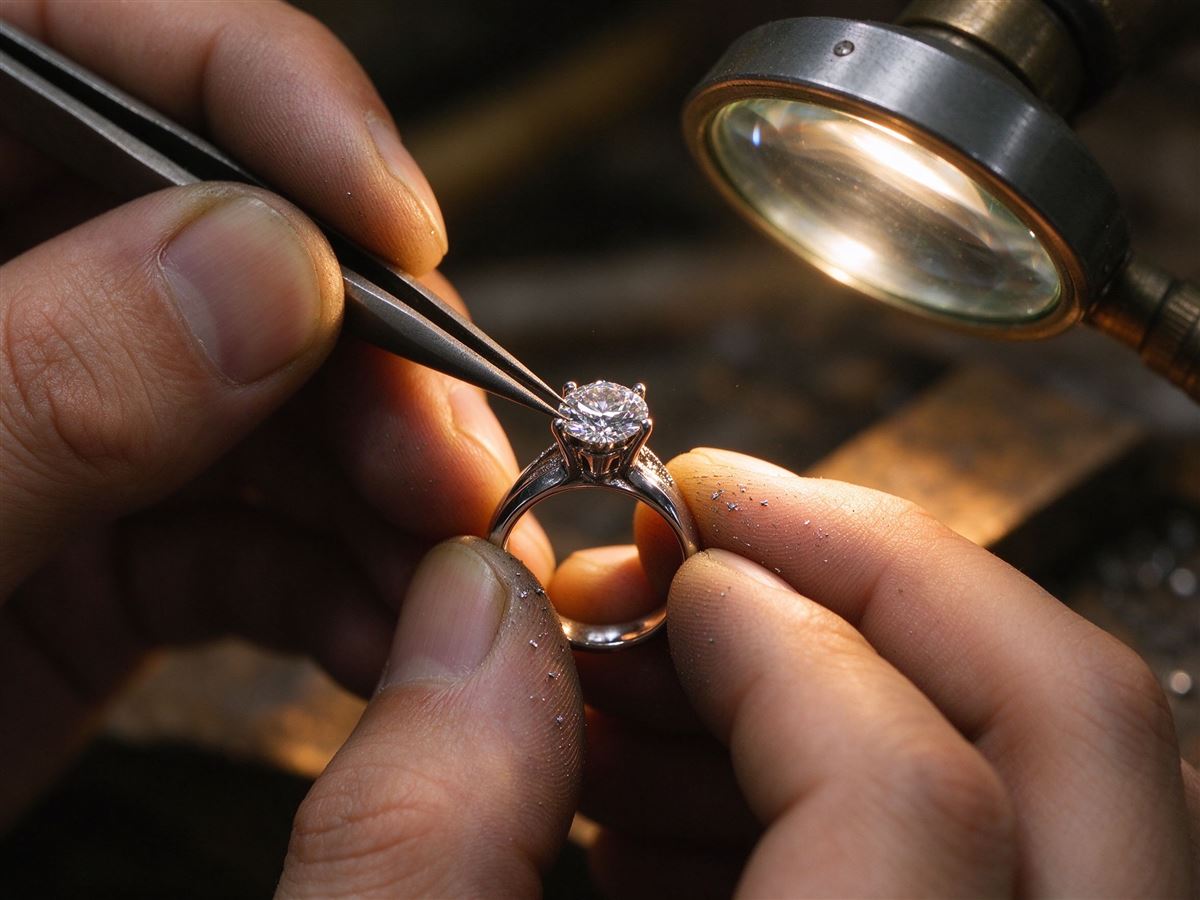
A basic resize cuts the band at the bottom, removes a small piece (to make it smaller) or adds a small piece of matching metal (to make it larger), and solders the joint back together. The joint is then polished so it is invisible. On a plain wedding band, this is a ten-minute job and the ring comes back looking new.
On an engagement ring with pavé stones down the shank, the process is more complex. The stones near the bottom of the band can be damaged by the heat of soldering, so they are removed first, then reset after. That adds time and cost. On a halo ring, the halo itself is usually not affected, but the band still needs care.
How Much Can You Resize?
A plain band can be resized up or down by about two full sizes without trouble. Beyond that, the metal work weakens and the band may need to be rebuilt. If the ring is more than two sizes off, it is worth asking the jeweller whether the band should be remade rather than stretched.
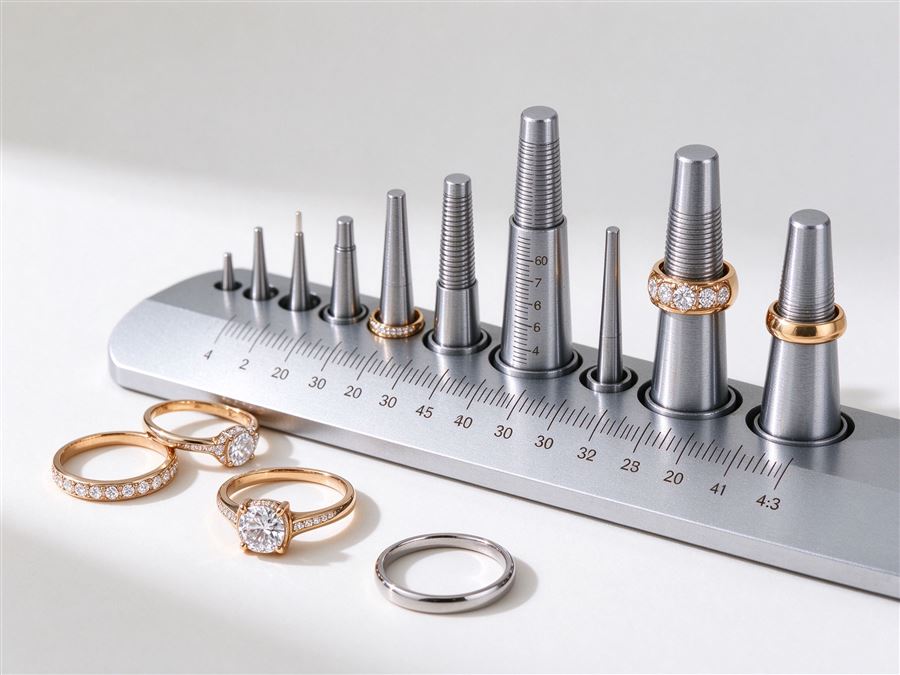
Stretching a ring on a mandrel is a shortcut for minor size changes, but it thins the metal and is not recommended on a quality ring. The cut-and-solder method is the right way.
When Resizing Is Not Recommended
Some rings should not be resized. A full circle of pavé stones all the way around the band is hard to resize because every stone near the bottom has to come out. A ring made of titanium, cobalt, or tungsten cannot be resized at all, because those metals are too hard to cut and solder. Wood rings, antler rings, and resin rings cannot be resized. If you are buying a ring in one of these materials, size it correctly the first time.
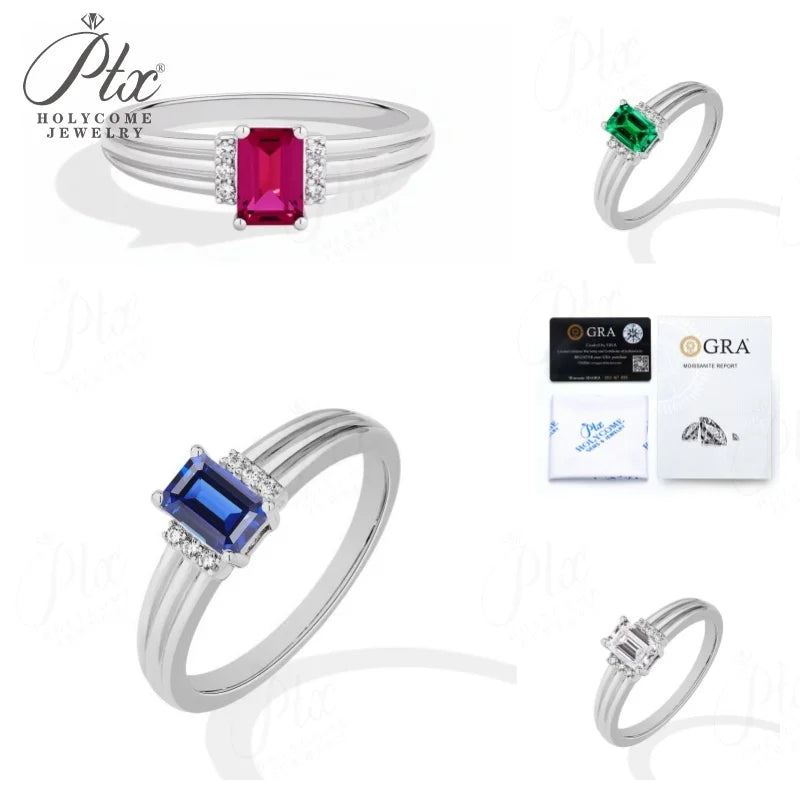
HOLYCOME rings are built in gold, platinum, or silver, all of which resize well. If your design includes titanium or stainless steel accents, those parts cannot be resized.
Resizing a Ring You Bought From Us
If you bought a custom ring from HOLYCOME and the size is off, send it back. We resize our own rings as a service, and we know the design because we built it. The cost is modest, and the turn around is two weeks. We will also check the prongs and clean the ring while it is on the bench.
If you bought a stock-style ring from us that turns out to be half a size off, we can usually adjust it without rebuilding. If it is a full size off, we may recommend remaking the band, which is cheaper than forcing a bad resize.
Sizing Correctly the First Time
The best resize is the one you do not need. Measure the finger at the end of the day, when it is at its largest. Measure it when the weather is warm, not cold. Measure the correct finger, not the adjacent one. If possible, use a professional mandrel at a jeweller. If you cannot, borrow a ring she already wears on the correct finger and measure it against a sizing chart.
Remember that fingers swell in the summer and shrink in the winter. If you are proposing in December, size for the warm weather finger, because the ring will be a little loose in July.
The Stacking Problem
If the engagement ring will sit next to a wedding band, the two rings should be sized together. A ring that fits perfectly on its own may sit at an angle next to a wedding band. When you order the set, tell us the wedding band will stack, and we will shape the inside of the engagement ring so the two sit flush. This is called a contour or a comfort fit on the inside, and it is a small detail that matters.
Resizing After Years
Fingers change over decades. A ring that fit at twenty-five may be loose at forty-five because the knuckles have changed. That is normal. A resizing after ten years of wear is also a chance to have the prongs checked, the band polished, and the rhodium re-plated. Treat the resizing trip as a full service visit.
How Resizing Actually Works
A basic resize cuts the band at the bottom, removes a small piece to make it smaller, or adds a small piece of matching metal to make it larger, and solders the joint back together. On a plain band this is a ten-minute job. On a ring with pavé down the shank, the stones near the bottom are removed first and reset after, which adds time and cost.
How Much You Can Go Up or Down
A plain band can be resized up or down by about two full sizes without trouble. Beyond that, the metal weakens and the band may need to be rebuilt. Stretching a ring on a mandrel is a shortcut that thins the metal and is not recommended on a quality ring. The cut-and-solder method is the right way.
Which Rings Cannot Be Resized
A full circle of pavé all the way around the band is hard to resize. Titanium, cobalt, and tungsten cannot be resized at all, because those metals are too hard to cut and solder. Wood rings, antler rings, and resin rings cannot be resized. If you are buying a ring in one of these materials, size it correctly the first time.
Sizing Correctly the First Time
Measure the finger at the end of the day, when it is at its largest. Measure it when the weather is warm. Measure the correct finger. If possible, use a professional mandrel. Remember that fingers swell in summer and shrink in winter. If you are proposing in December, size for the warm-weather finger.
How Resizing Actually Works
A basic resize cuts the band at the bottom, removes a small piece to make it smaller, or adds a small piece of matching metal to make it larger, and solders the joint back together. On a plain band this is a ten-minute job. On a ring with pavé down the shank, the stones near the bottom are removed first and reset after, which adds time and cost.
How Much You Can Go Up or Down
A plain band can be resized up or down by about two full sizes without trouble. Beyond that, the metal weakens and the band may need to be rebuilt. Stretching a ring on a mandrel is a shortcut that thins the metal and is not recommended. The cut-and-solder method is the right way.
Which Rings Cannot Be Resized
A full circle of pavé all the way around the band is hard to resize. Titanium, cobalt, and tungsten cannot be resized at all, because those metals are too hard to cut and solder. Wood rings, antler rings, and resin rings cannot be resized. If you are buying a ring in one of these materials, size it correctly the first time.
Sizing Correctly the First Time
Measure the finger at the end of the day, when it is at its largest. Measure it when the weather is warm. Measure the correct finger. Remember that fingers swell in summer and shrink in winter. If you are proposing in December, size for the warm-weather finger. If the size is off, send the ring back to us rather than to an unknown jeweller, because we know the design.
The Bottom Line
Size the ring correctly the first time, because resizing works but it is not free. Plain bands resize easily. Pavé bands take a little more work. Tungsten and titanium cannot be resized at all. If the size is off, send the ring back to us rather than to an unknown jeweller, because we know the design. And measure at the end of the day, in warm weather, on the correct finger.