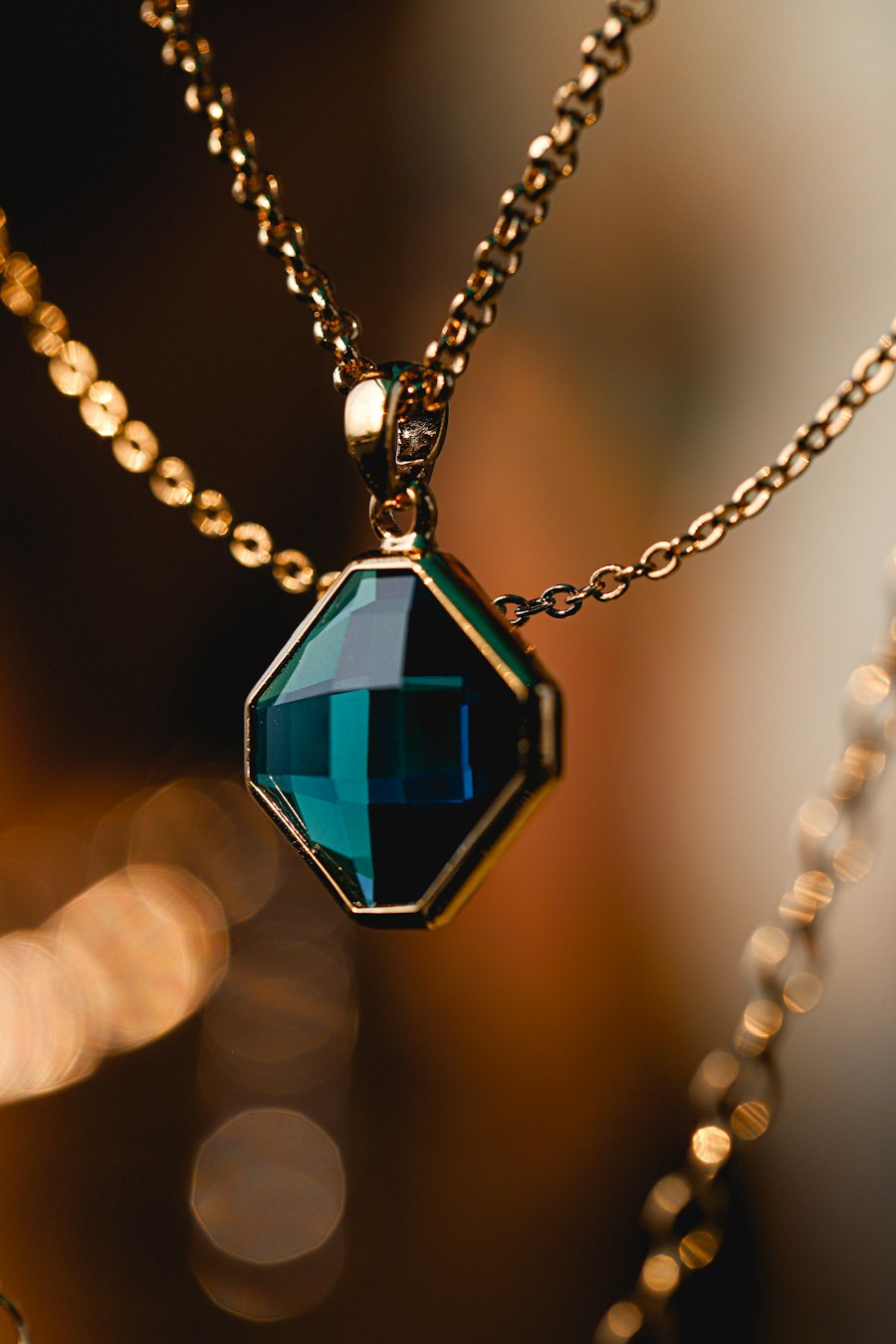
There is a specific kind of commission we see often: a client arrives with a diamond that sat in a grandmother's ring, or a mother's solitaire from the 1980s, and asks for a setting that looks like something she would actually wear today. The stone is the point. The old setting, with its thick yellow gold shoulders and its dated proportions, is not. Resetting that diamond into a new ring is one of the most emotionally meaningful commissions an atelier takes on, and one of the most technically careful.
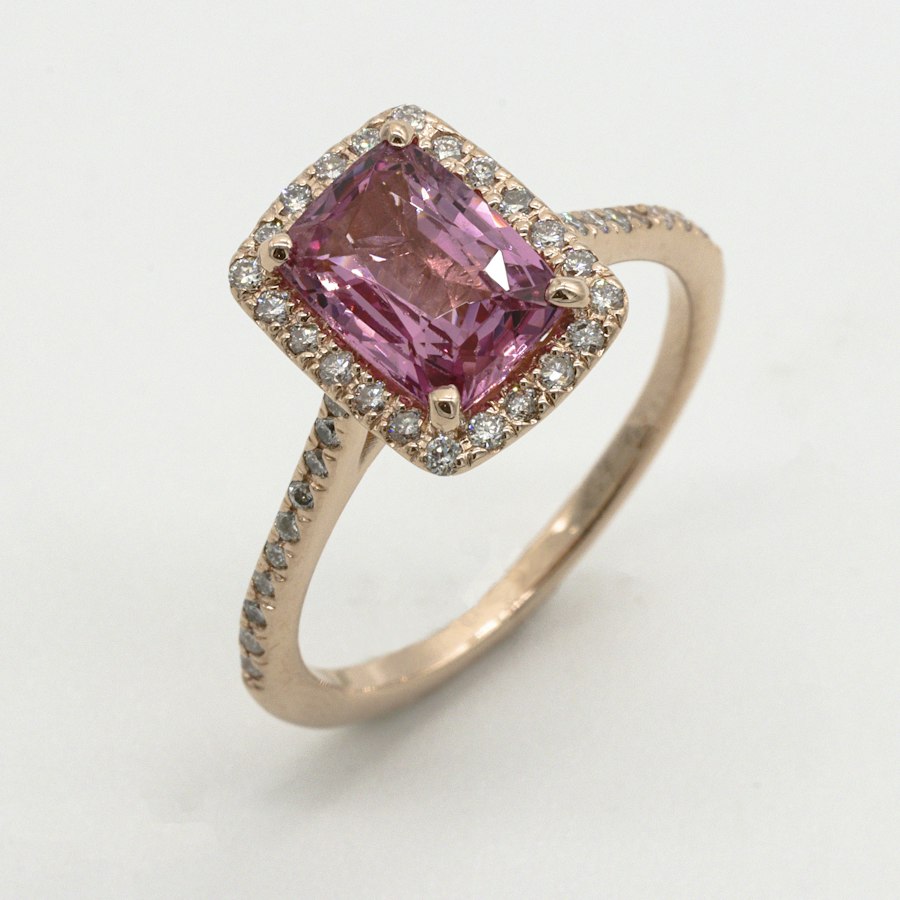
The stone is inspected before anything is designed
Before we talk about settings, the diamond comes out of the old mounting and goes under magnification. We check the girdle for chips, the crown for abrasion, and the pavillion for any fractures that might have developed from years of wear. A diamond that was set loosely in an old prong head may have small contact marks where it turned against the metal.
We also measure the stone: the exact diameter, the depth percentage, and the table size. The new setting has to be built to this stone, not the other way around. A diamond with a thick girdle sits differently than one with a thin girdle, and a setting built to the wrong numbers will either leave the stone loose or force the prongs too tight against a sharp edge.
Decide what the old setting becomes
When the stone is removed, the old mounting is scrap. You can choose to have its gold valued and credited against the new setting, or you can keep the old mounting as a separate memento. Many clients keep the original band as a keepsake in a drawer. There is no right answer, but decide before the reset, because once the old ring is melted or scrapped it cannot be put back.
Designing the new setting around the stone
The new setting is built to the measurements taken from the stone. If you want a low-profile everyday ring, the pavillion of the diamond sits inside the head and the prongs come up over the crown. If you want more sparkle, the setting is raised and open underneath so light passes through the stone.
For a family diamond, we usually recommend a setting that protects as much as it shows. Four prongs read clean, but six prongs hold a stone more securely across decades. A bezel setting wraps the girdle in metal and is the most protective option, though it slightly reduces the light return around the edge. The choice is about how the ring will be worn: a ring for an active hand takes a bezel or six-prong head; a ring worn on less active occasions can take a four-prong solitaire.
If the old mounting also held smaller side stones, those do not have to be lost. Many clients choose to have them set as small accent stones in the new shoulders, or saved for a future piece such as a pendant or a pair of earrings. Decide before the reset whether you want those stones back. Once the old mounting is scrapped, the side stones are still easy to remove, but the decision to keep them or set them aside is yours to make while the project is on the bench, not months afterward.
What about a recut?
Older diamonds were often cut to preserve weight rather than to maximize brilliance. An old European cut or a transitional cut has a charm of its own, and many clients specifically want that character. If the stone shows heavy abrasion on the table or chipped crown facets, a small recut can bring the sparkle back. But a recut removes weight permanently, and it cannot be undone. We talk through this before any new setting is built, because a recut changes the measurements the setting has to match.
The setting itself is the last step
The new ring is cast or fabricated, finished to roughly the point of polishing, and then the diamond is set. The setter seats the stone, checks that it sits level in the head, and raises each prong over the crown. The prongs are then trimmed and burnished smooth so no sharp tip catches on fabric. Only after the stone is secure does the final polish go on.
What you take home is a ring that carries the same stone as the old one, in a setting built to your hand and your taste. The diamond has done its service for one generation. The new setting is built to carry it through the next.
For context, read how a family heirloom becomes an engagement ring, and see when an old ring is better restored than reset.