When someone dies, the physical objects left behind feel simultaneously too much and not enough. A sweater still smells like them for a season. A favorite mug goes back into the cupboard. Many people arrive at our studio asking, quietly, for something that sits closer to the body — a piece of jewelry that holds a tiny portion of cremated remains. The request is always made carefully, and it deserves a careful answer, including what the process actually does and what it cannot do.
First, a grounding fact: the amount of ashes required is tiny. We are talking about a pinch — a fraction of a gram — sealed inside a setting, not a whole urn's worth. The rest of the ashes remain with the family, usually in a keepsake urn or scattered as planned. A memorial piece does not replace burial or scattering. It is a small, wearable share.
Three honest ways the ashes can be incorporated
The most common route is encapsulation in glass or resin. A small amount of ash is suspended in a clear or colored medium, which is then set into a bezel as if it were a stone. The ash appears as a soft cloud of inclusions, not as a recognizable powder. This is the approach that best preserves the visual idea of "carrying them with me," and it is the one we return to most often.
The second route is infusion into cast metal. A small quantity of ash is mixed into the investment or the alloy at the casting stage. The result is a solid gold or silver piece that carries microscopic flecks of ash throughout. You cannot see them, but the wearer knows they are there. This is the quietest option, and it is the one people choose when they want a ring that reads as ordinary jewelry to the rest of the world.
The third route is stone-set memorial gems, where ash is pressed into a synthetic diamond or sapphire lattice under high pressure. This is real, it exists, and it is a substantially larger investment. It is worth knowing about, but it is not the default. For clients who want something gentler and faster, the first two routes are usually the right answer.
Working with the family's portion
If you are ordering this piece, you will receive a small, labeled container of ashes from the funeral home or from the family's own supply. We never require more than a pinch, and we return any unused portion. Bring the ashes to the studio in a sealed bag or vial, and we handle the rest. We do not open the container in front of you unless you want us to. Some families prefer to do that together; others prefer to leave it with us and not watch the mechanical part.
Our existing guide to pet memorial jewelry describes the same craft principles applied to animal companions. The emotional weight is different, but the bench work is identical. For families also restoring older jewelry at the same time, our notes on heirloom ring repair and restoration often run in parallel commissions.
What the piece looks like on the outside
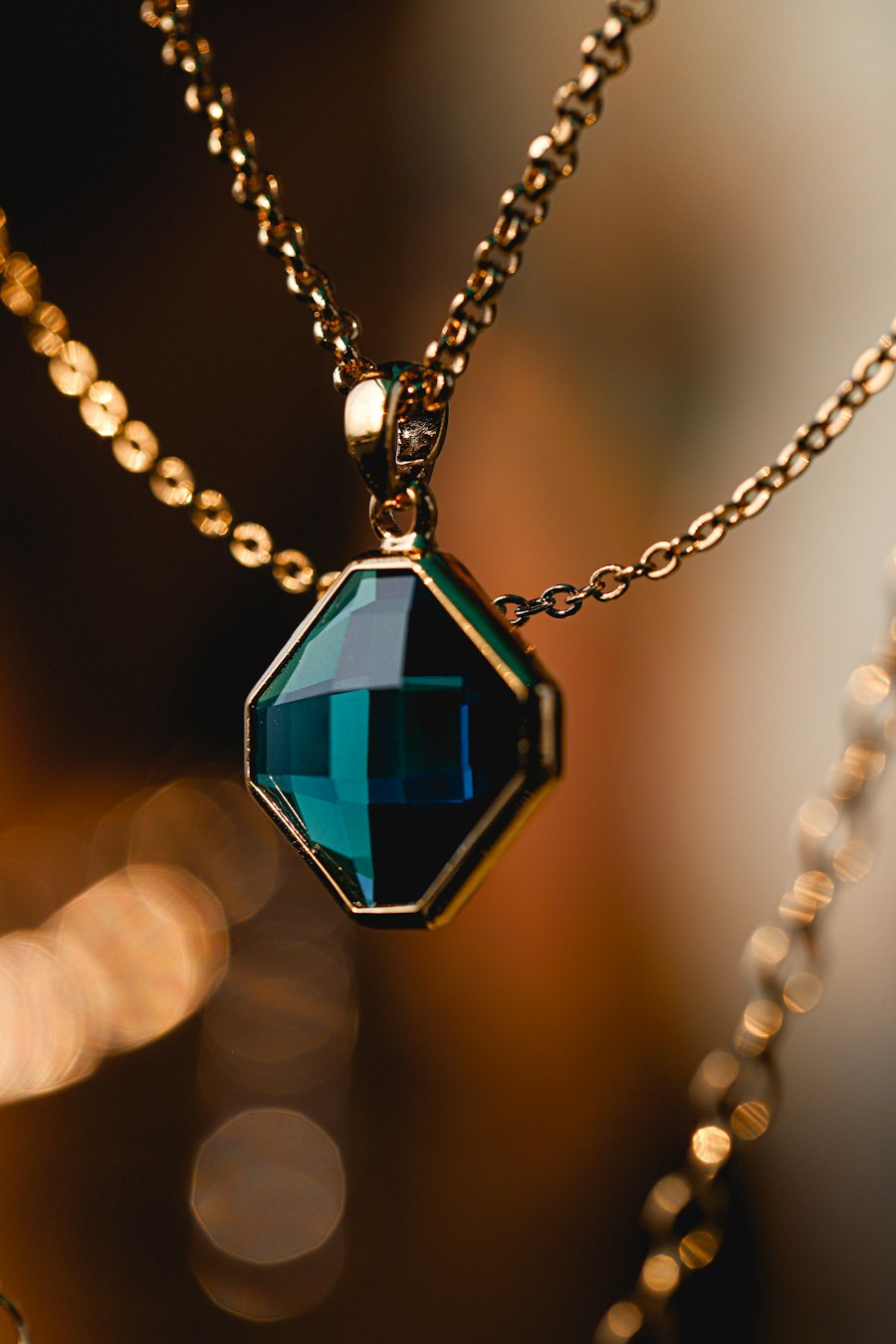
Design choices here tend toward simple. A bezel-set circular disc on a thin chain. A plain band with a small, dark stone that is actually the encapsulated ash. A locket-style pendant with a glass front. The reason is not that we lack imagination. It is that the wearer usually wants the piece to feel familiar, not exotic. A complicated setting invites questions the wearer may not want to answer at the office. A quiet disc invites none.
Engraving on the back — a name, a date, a single word — is almost always included. It is the part only the wearer sees. We have engraved coordinates of a favorite lake, the last text message someone sent, and, in one commission, the exact time a phone call ended. These are small surface marks. They are the difference between a token and a tribute.
Timing and what to expect emotionally
A memorial commission takes longer than a standard piece, not because the craft is harder, but because we build in room for the family to breathe. We never rush. Most commissions run four to eight weeks. We send photos at the key stages, and we are happy to hold delivery until you are ready to receive the piece.
What we cannot promise is that the piece will "fix" grief. What we can promise is that it will be made cleanly, that the ash will be handled with care, and that what comes back to you will be a piece of jewelry you can wear without explaining it. On hard days, when you put it on and feel the weight against your chest, that is enough.