Most jewelry boxes contain a small tragedy: a single earring whose partner went missing in a hotel room, a pair of studs that stopped suiting the wearer's taste, gold ear wires from a decade ago that no longer match anything. Those pieces are not junk. They are metal and stones sitting in the dark, waiting to be something else. Turning old earrings into a ring is one of the most satisfying redesigns we do, because the result is usually a piece the wearer reaches for every day instead of once a year.
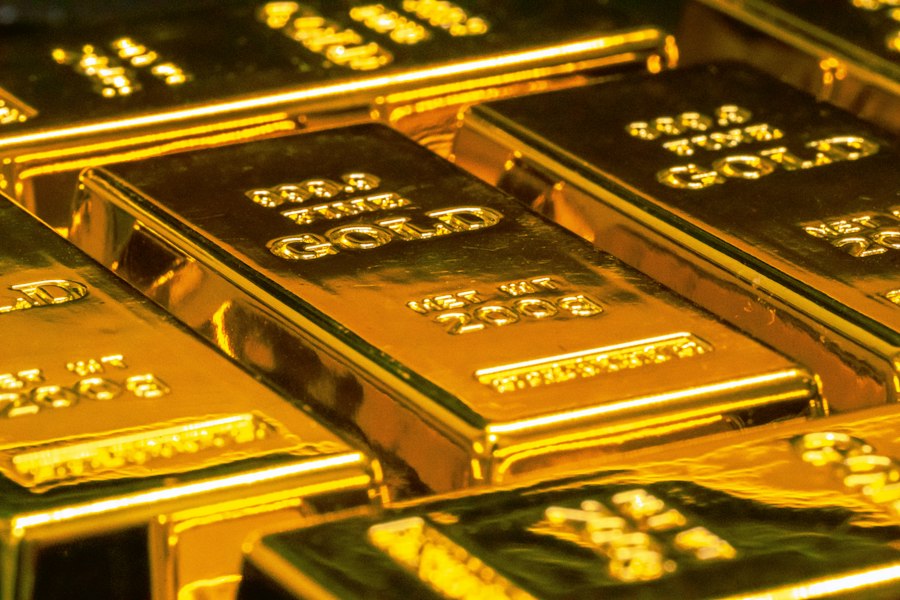
The math is straightforward. Two small gold earrings rarely weigh enough on their own to build a full ring, but they almost always weigh enough to build a meaningful center. A ring band needs roughly three to five grams of gold, depending on width and comfort fit. Two earrings often contribute two to four grams. The atelier adds the rest in matching alloy, so the finished ring is solid and consistent.
What the earrings give you
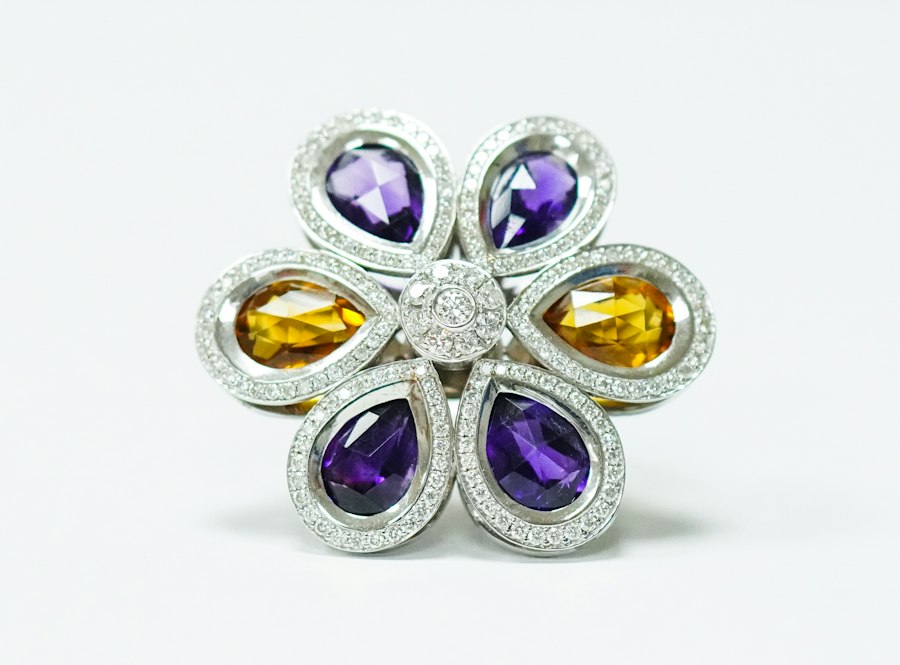
The stones are usually the prize. Old stud earrings often carry small diamonds, sapphires, or pearls that are perfectly fine but too modest to be center stones on their own. Two matched studs become a beautiful two-stone bypass, a small halo, or a side-by-side cluster in a bezel. A single orphaned earring can become a single-stone ring, with the old gold forming the band.
If the earrings hold sentimental value—a grandmother's pearls, studs from a first promotion—the redesign carries that story into a new object. You are not discarding the original jewelry. You are recomposing it. We cover the emotional side in reimagining old family pieces, and the metal side in what happens to old gold.
The process, step by step
The first meeting is mostly measurement. We weigh the earrings, photograph them next to a ruler, and note the metal stamp if there is one. We test for platinum versus gold with a nondestructive check, because old white metal can be either and the alloy matters.
Next comes the design conversation. Two matched round studs want to become a two-stone ring. A cluster earring wants to become a pendant or a ring with a small cluster top. A single ornate earring often wants to become a signet-style or bezel ring, because the earring itself is already a small composition.
After approval, we melt or strip the old metal depending on condition. If the gold is heavily worn or soldered in places, we melt it down and refine it. If it is clean, we can cut directly from it, which preserves more of the original material and feels more literal to clients who care about that. The stones are removed, checked, and reset into the new head. The new band is built to the wearer's current size.
What it costs
The cost is mostly labor, not metal. Because the old gold offsets some of the material, a redesign often costs less than building the same ring from scratch, but the savings are not dramatic. Expect to pay for design, stone removal and resetting, fabrication, and finishing. The old jewelry's value comes back to you in the finished ring rather than in a trade-in credit. We walk through how pricing breaks down in custom ring cost and timeline, and the same structure applies to redesigns.
What happens to the leftover bits
Small offcuts, old ear wires, and broken posts usually go back into the melt. If a client wants a matching pendant or a pair of small studs later, we keep those offcuts aside instead of recycling them. It is a small thing, but it means the next piece can come from the same original jewelry as the ring, which clients sometimes love decades later.
One practical note: not every earring stone is worth resetting. Old small diamonds can be chipped at the culet, and pearls in old earrings may have thin nacre. We inspect each stone before we commit to a design, and we tell clients honestly if a stone is better left as-is or replaced. Sometimes the strongest redesign uses the gold and leaves the stone behind, set aside in a small vial as a keepsake rather than reset into a ring that will knock it. That conversation happens at the first meeting, not at the bench.
When this redesign works best
It works best when the wearer already owns the sentimental material and wants a piece they will actually use. It works less well when someone is hoping to fund a new ring by trading in old earrings, because the trade-in value of small earrings is modest. But as a way to give jewelry you already own a second life, turning earrings into a ring is one of the clearest upgrades available.