The word memorial jewelry usually makes people think of grandparents or spouses. Increasingly, though, the most tender commissions we take in honor a dog or a cat. A pet lives a short, fierce life and leaves a specific shape in a household. Custom jewelry is one of the few ways to carry that shape with you after the urn comes home. It is also, for many clients, the first practical thing they feel like doing in the weeks after a loss—a small, concrete act that turns grief into something they can hold.
We approach these commissions gently and practically. The goal is not to manufacture grief. It is to make something a person will actually wear, on ordinary days, that quietly means what it means, without announcing the loss to every stranger who glances at their wrist.
What people actually commission
The most common pieces are small pendants, slim rings, and stud earrings. A ring shaped around a pet's name. A pendant containing a tiny amount of ashes sealed behind a stone. A pair of studs cast from a favorite collar tag. A bar necklace engraved with dates and a paw print. None of these have to look like mourning jewelry; many of our designs look like minimal everyday pieces that only the wearer understands.
Fur, nose prints and paw prints
A nose print is the canine equivalent of a fingerprint, and it is unique. We scan a print at high resolution and engrave it onto a small disk or the inside of a ring. Fur can be preserved, though it is fragile; most clients choose to have it kept separately rather than sealed into metal. Ashes are the most requested material, and they are handled with respect: a tiny, sealed compartment behind a stone or in the back of a pendant, never visible, always secure.
What survives the bench
Not every idea is buildable, and we would rather say so up front. Mixing ashes directly into molten metal produces unpredictable results and is not a reliable way to honor someone. Sealing a small measured amount is. Setting fur in resin yellows over time. Engraving a print or a name is permanent. We steer clients toward the methods that will still look right in twenty years, not the methods that sound most romantic on the first call.
Choosing a stone that feels like them
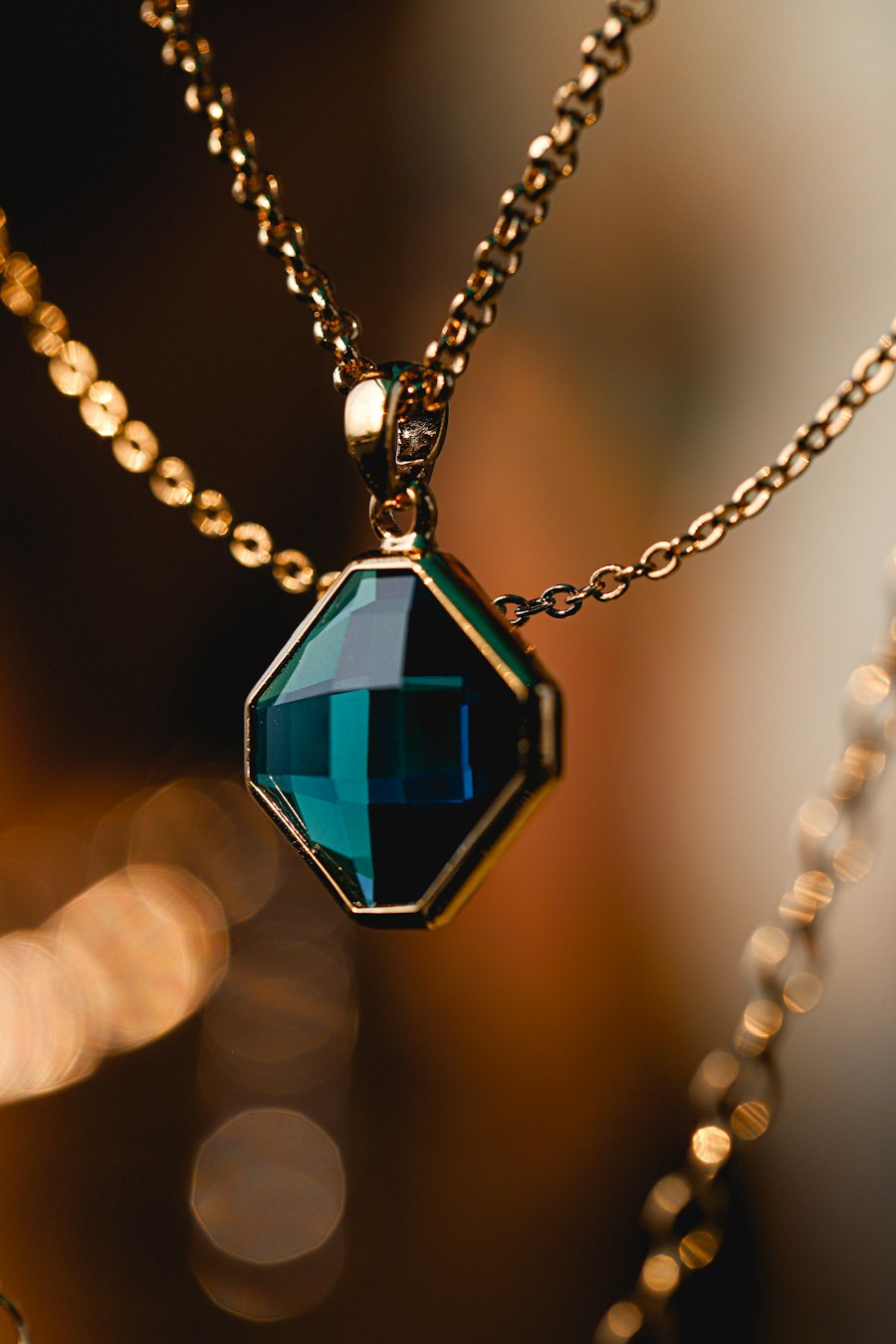
Some clients want a colored stone that mirrors the animal. A blue eye for a pale-eyed dog, a warm amber for a tawny cat, a quiet grey for a horse. Others prefer no stone at all and rely entirely on engraving. Both choices are honest. We have also set a small birthstone next to the pet's name, blending the two anniversaries a person holds in one object. There is no symbolic formula here, and we are careful not to invent one. The meaning is yours; our job is to build something that holds it cleanly.
Timing and emotional care
There is no deadline on grief, and we build that into the process. Some clients come in within days of a loss, needing something to hold. Others wait months, or a year. A standard commission takes a few weeks; we never rush a memorial piece, and we keep the design conversation quiet and unhurried. For context on how a bespoke piece normally moves, our process guide explains the stages, but memorial work often moves at its own pace.
Pairing it with other keepsakes
A pet memorial piece often joins existing family jewelry rather than standing alone. We have designed rings that set a small stone from a grandmother's ring beside an engraved paw print, or pendants that include both a parent's ashes and a pet's. Blending these materials into one composition is delicate but doable, and it produces a piece that feels like the whole family in one object. If you are working with inherited material, our notes on recreating an heirloom overlap with the practical questions.
What to expect to spend
A small memorial pendant or ring in solid gold with engraving lands well below a typical engagement-ring budget. Ashes-sealed pieces cost a modest premium for the sealed compartment work. We are transparent about which steps add cost, because the last thing a grieving person needs is a surprise invoice.
Why this matters
People worry that pet memorial jewelry is sentimental or excessive. Then they put the pendant on and feel the dog they had for fourteen years close to their chest, and the argument ends. These pieces are not for anyone else to read. They are small, quiet, and made to be lived with for decades. That is enough reason to make them well. Years later, when the grief has softened into something warmer, the same piece still catches the light and reminds you that you were loved, and that you loved well, in return.