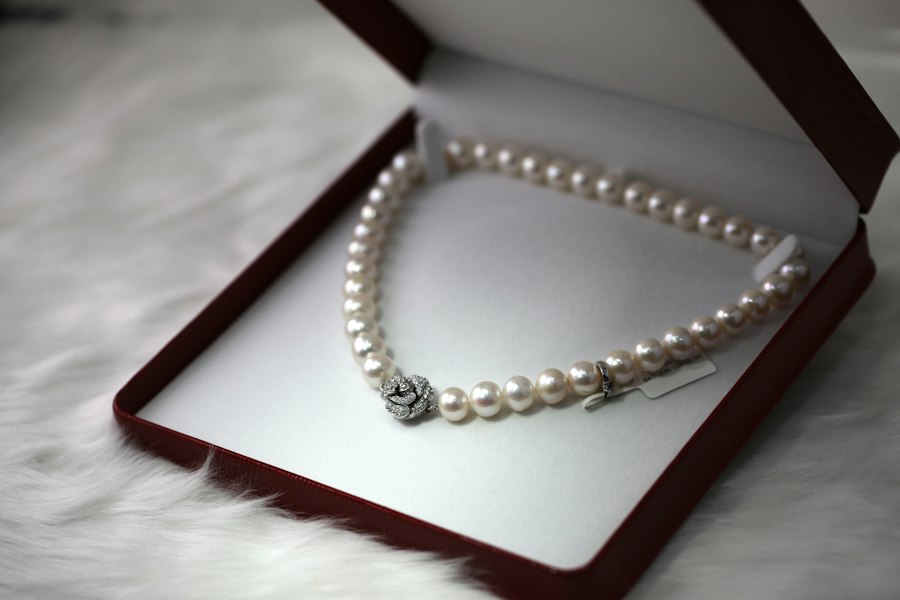
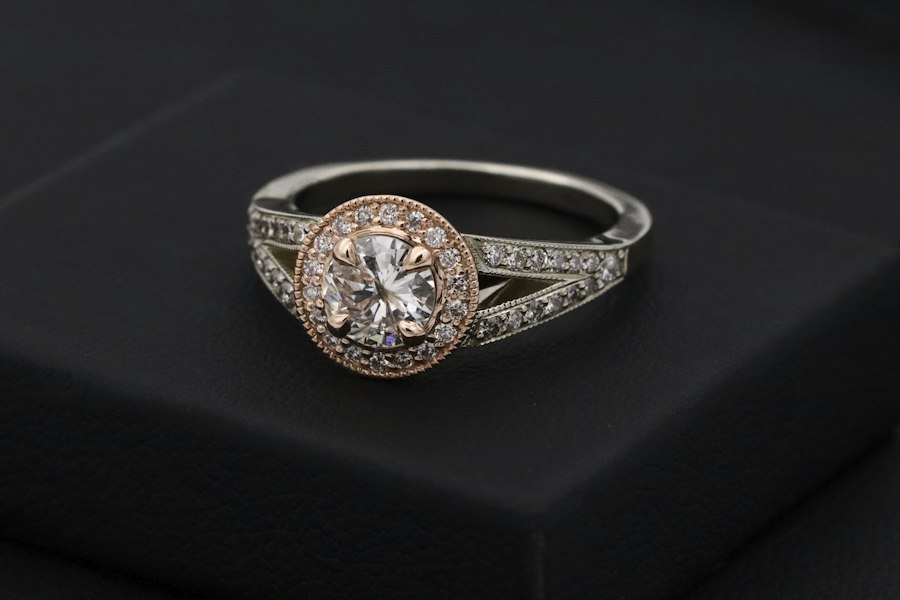
There was a long stretch when fine jewelry was expected to pick one metal color and stay loyal to it. If your engagement ring was white gold, your wedding band matched. If your everyday chain was yellow, your earrings followed. These days that rule feels more like habit than taste. Mixed-metal jewelry — yellow, rose, and white gold worn or crafted together — has moved from the runway into regular rotation, and the atelier bench is where the idea gets refined.
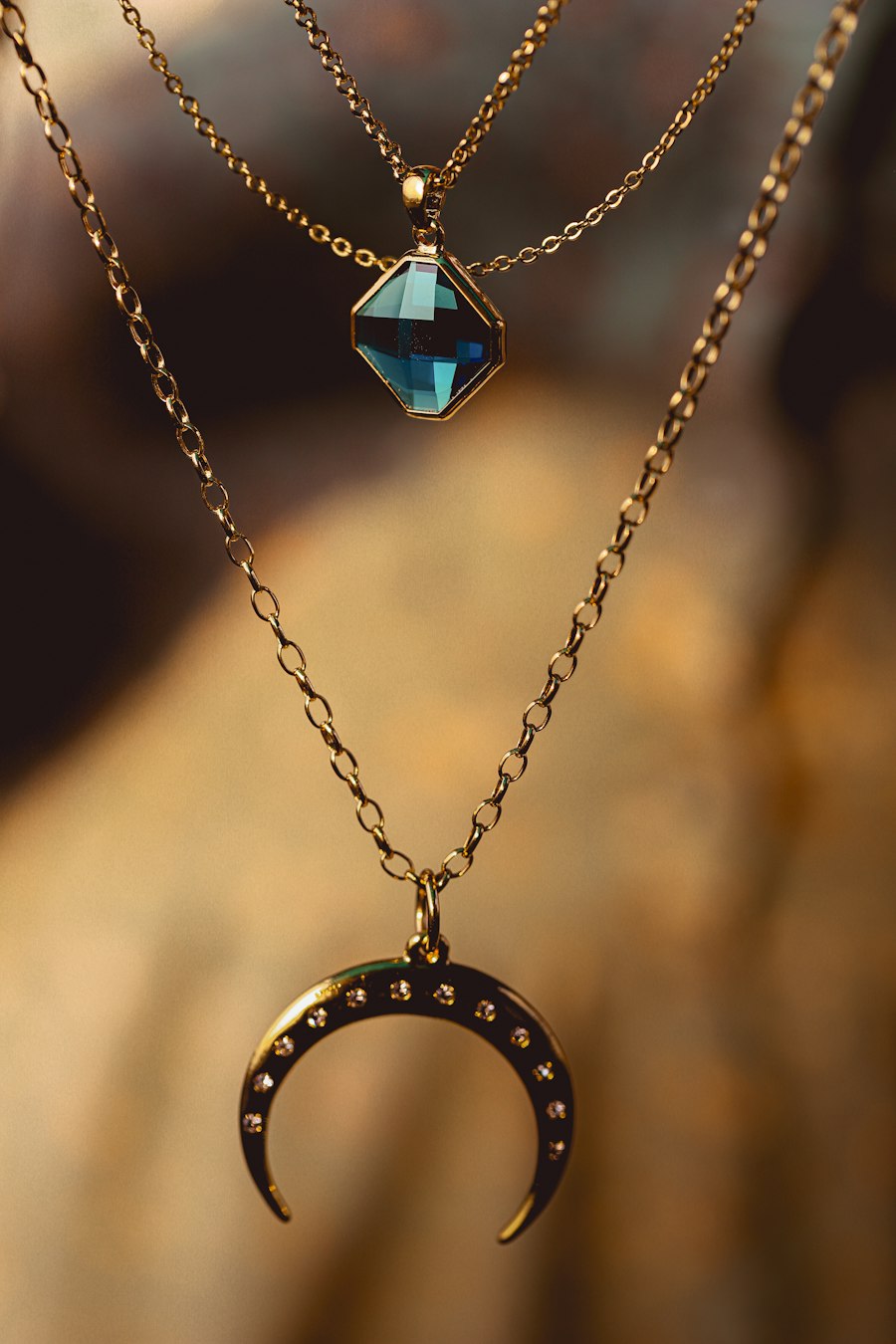
The appeal is practical as much as aesthetic. Most people already own pieces in more than one color. A grandmother's yellow gold watch, a partner's white gold wedding band, a rose gold bracelet given as a gift. Mixed-metal design lets a new piece live in that existing jewelry box without forcing a full wardrobe change. A ring that blends two colors will stack naturally with pieces you already own, which is a surprisingly rare quality in a custom commission.
How metals are combined
There are three ways an atelier typically brings metals together. The first is soldering different colored alloys side by side, which creates sharp, clean bands of color. The second is fusing or forusing two metals so they flow into each other, more organic and less geometric. The third is setting one metal inside another — white gold prongs holding a stone that sits in a yellow gold bezel, for example — so the contrast appears around the stone itself rather than across the shank. Each reads differently. Side-by-side stripes feel architectural. Fused metal feels warm and hand-worked. Prong-and-bezel contrast puts the stone on a pedestal.
Durability is a fair question. All three common gold colors are alloys of roughly the same hardness, so wearing them together is not a problem. The places where two metals are soldered are as strong as the rest of the band when done correctly. We would avoid mixing very soft materials — fine silver, for instance — with hard alloys in high-wear spots, but gold-on-gold-on-platinum combinations hold up well in daily wear. Our overview of choosing between 14k, 18k, and platinum goes deeper into how alloy choice affects feel and wear.
Getting the proportions right
The trap with mixed metal is overdoing it. A band that splits evenly into three colors can look like a candy stripe unless the design is carefully balanced. The pieces that age best usually give one metal the dominant role and use the other as an accent: a yellow gold shank with a white gold setting, a rose gold band with a slim white gold inlay, a pendant chain in one color and the bail in another. The eye reads the dominant metal first and notices the contrast as a detail, not a fight.
Client taste tends to land in two camps. Some want the mix to be obvious, visible from across a room. Others want it almost secret — a flash of rose gold inside a white gold band, a yellow gold gallery hidden under a setting. We can design either, and we often suggest the subtle version first because it photographs beautifully and wears with everything. If you already stack, the question becomes how a new mixed-metal piece will behave next to your existing rings. Our guide to stacking wedding and engagement rings covers the proportion rules that also apply to mixed-metal stacking.
Client taste often starts with a question about which metals go with which skin tone. The honest answer is that there are no hard rules, though cool undertones tend to photograph beautifully against white gold and platinum, while warm undertones glow against yellow and rose. A mixed-metal piece sidesteps the whole question by offering both. We have also noticed that clients who wear a lot of silver jewelry in their everyday life — watches, hair clips, eyeglasses — often prefer a mixed piece that bridges their casual wardrobe and their fine jewelry. It is one of the reasons mixed metal reads as modern rather than experimental: it matches the jewelry people already own.
Care and repair
Mixed-metal pieces clean the same way single-metal pieces do, with warm soapy water and a soft brush. Polishing cloths are safe on all gold colors and will not lift one tone at the expense of another. The one nuance is replating: white gold is typically rhodium-plated and will need that plating refreshed every few years, while yellow and rose gold do not. On a mixed-metal band, we can replate just the white portions so the yellow and rose tones stay exactly as they are. It is a small detail, but it is the kind of thing that keeps a mixed-metal piece looking deliberate for decades.