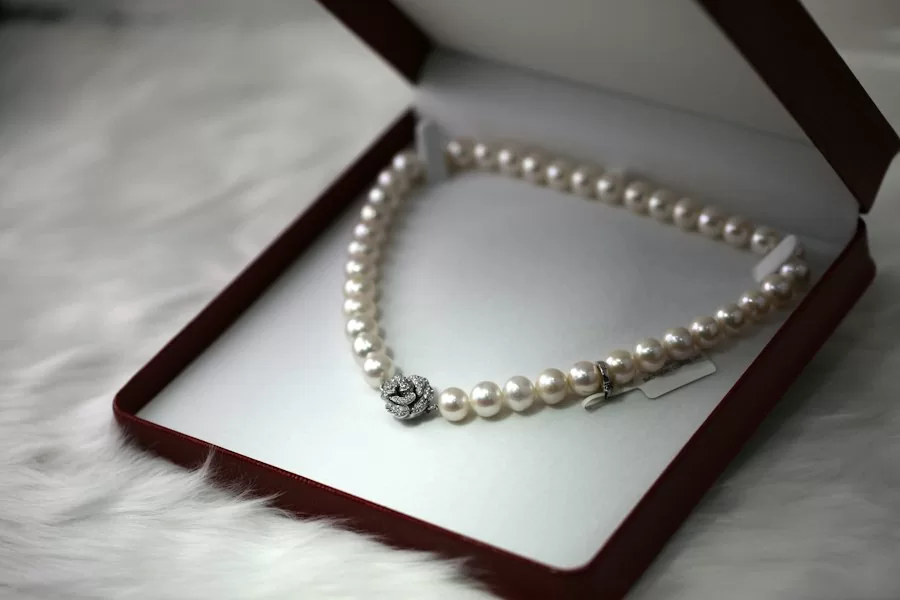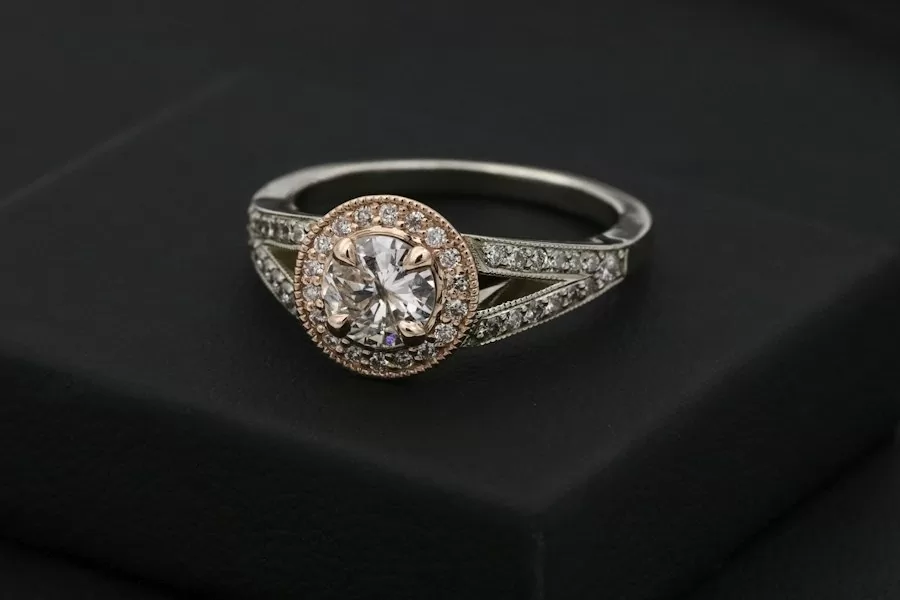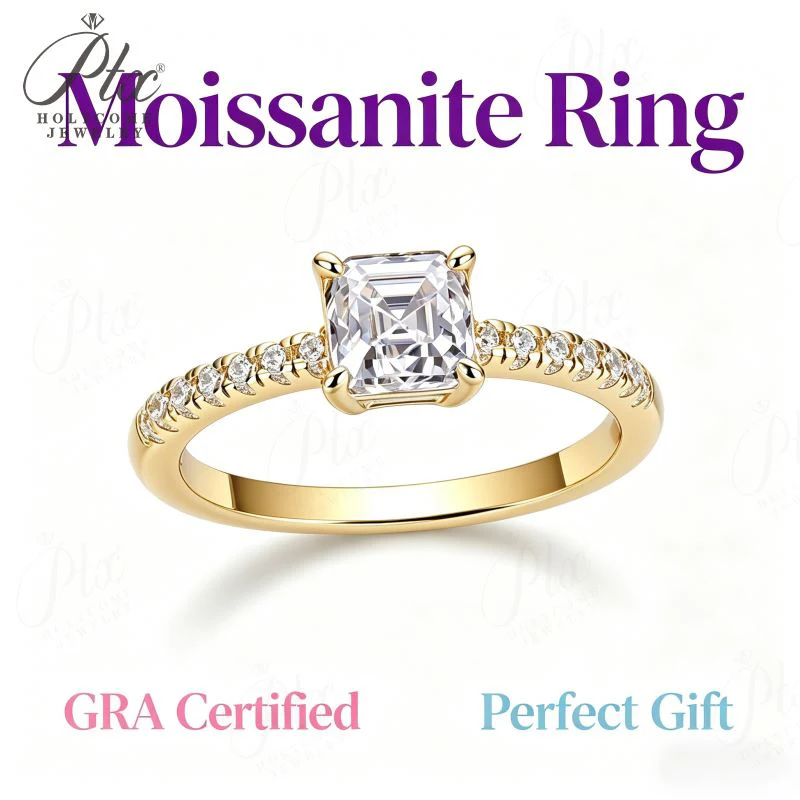
The question comes up at almost every consultation, usually phrased as a worry: "But will it last?" The honest answer is that bespoke jewelry, built properly, is intended to outlive you. The less honest answer is that almost any jewelry can be made to last if it is built a certain way, and almost any jewelry will fall apart if it is not. The difference between a piece that reaches fifty years and one that reaches five is not the price. It is a handful of bench decisions made while the piece is being built, most of which are invisible on the day you receive it.
The first of those decisions is the solder. Every piece of fabricated jewelry is held together by solder - a lower-melting-point metal alloy that joins the parts. Cheap jewelry is soldered with the wrong solder, or with too little of it, or over a gap that should never have been left in the first place. A well-built joint is soldered fully, with the correct solder grade for the metal, and then filed and finished so you cannot see where the join was. That joint will outlive you. A weak joint will open in ten years, usually at the worst possible moment - on vacation, in a hotel bathroom, over a drain. Our piece on when hand fabrication beats CAD gets into this in more detail, because the hands-on bench is where the difference between a cosmetic joint and a structural joint is actually made.
The second decision is prong and seat construction. Prongs hold stones, and prongs wear. Every time you bump a ring against a desk, a doorframe, a steering wheel, you are slightly bending the prongs. A prong that is built thick and filed to a soft tip will last decades before it needs a tightening. A prong that is built thin and sharp will wear down in a few years and, eventually, lose a stone. We build prongs slightly heavier than they need to be on day one, because we know they will wear. This is not a cosmetic choice. It is the reason our rings come back in years later for a prong check rather than a stone replacement. The bench visit that is worth making is usually the one where we just peek at the prongs, because nine times out of ten we tighten them before you even notice they had loosened.
The third decision is the metal weight. A thin band looks identical to a thick band on a display stand, but a thin band thins over decades as the gold slowly flows and wears against neighboring surfaces. A band that is 1.2 millimeters thick at year one may be half a millimeter at year thirty. A band that starts at 1.8 millimeters still has plenty of metal left at year thirty, and can be cleaned, polished, and lightly restored rather than rebuilt. We build bands with this in mind, and we err on the slightly heavier side for pieces that are intended as heirlooms. The weight difference on the finger is minor; the difference at year forty is not.
This is the point where repair becomes a feature rather than a failure. A mass-produced piece is not built to be repaired. The joints are hidden, the components are stamped, and once a prong wears through or a joint opens, the piece is effectively over. A bespoke piece is built so that every joint can be re-soldered, every prong rebuilt, every finishing layer redone. The owner of a fifty-year-old bespoke ring does not have a ring that is "worn out." They have a ring that has been maintained - polished once, prong-tightened twice, re-finished once - and is still structurally sound. That is the whole design intent. We build these pieces knowing they will come back in, and we design them so that coming back in is easy.
Daily care matters, but less than people think. The rules are the same ones we cover in our annual jewelry maintenance checklist: avoid chemical exposure, take the ring off for heavy cleaning and gardening, and have it inspected once a year. Most of the damage we see is not from normal wear. It is from swimming pools, from dishwashing spray, from perfume and lotion, and from impacts that could have been avoided by taking a ring off for one specific activity. A piece built well will survive all of these in moderation. A piece built carelessly will not survive even one.
The deepest answer to "how long does it last" is this: it lasts exactly as long as you want it to, provided it was built for that in the first place. A custom commission is not a one-off transaction. It is the beginning of a relationship with an object that you will maintain, adjust, and eventually hand on. The clients whose rings come back to us after twenty years are not surprised that the ring is still good. They expected it. We expected it too. That shared expectation is what separates jewelry that lasts from jewelry that merely sells.
So when you commission a piece, ask the bench, not the catalog. Ask how the joints are soldered. Ask how heavy the band starts. Ask what happens when the prongs wear. The answers will tell you more about how long the piece will last than any marketing page ever could. Built right, the ring you order this year will be on a hand in 2076. Built carelessly, it will be gone by 2031. That is the whole arithmetic.
For third-party reference, the Wikipedia article on moissanite details moissanite’s discovery, optical properties and use in jewelry.
IFrequently Asked Questions
How do I verify a factory before placing a bulk order?
Request a production video, business license, export records and a paid sample run. A factory that accepts a 50-piece test order is usually a real manufacturer.
What payment terms do you offer?
Deposit and balance terms are confirmed in the order agreement before production begins. This protects both sides on first orders and can move to net terms after a track record.
What is your normal reject rate?
3–5% under 10x loupe inspection for cast and set pieces. Defective units are replaced free in the next shipment.
Where is the factory located?
Wuzhou, Guangxi, China—the core lab-grown and moissanite manufacturing cluster. Shipments go via Guangzhou or Shenzhen ports.