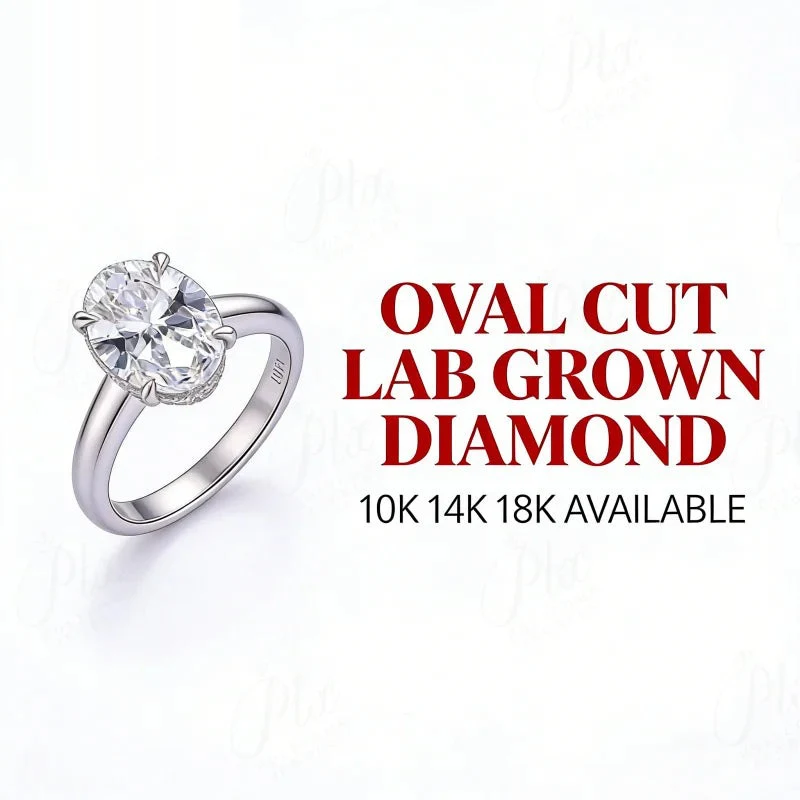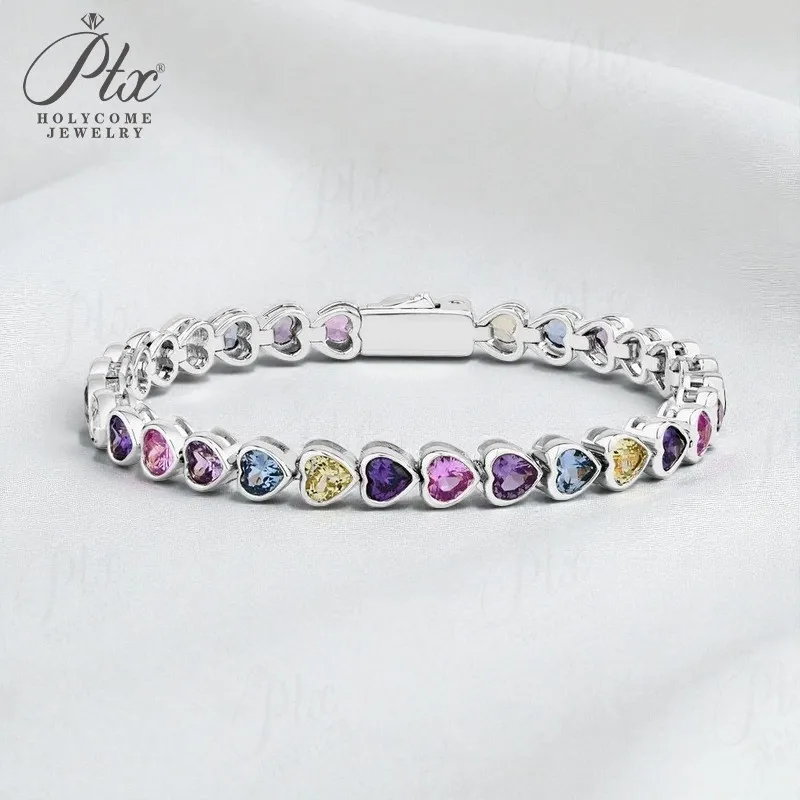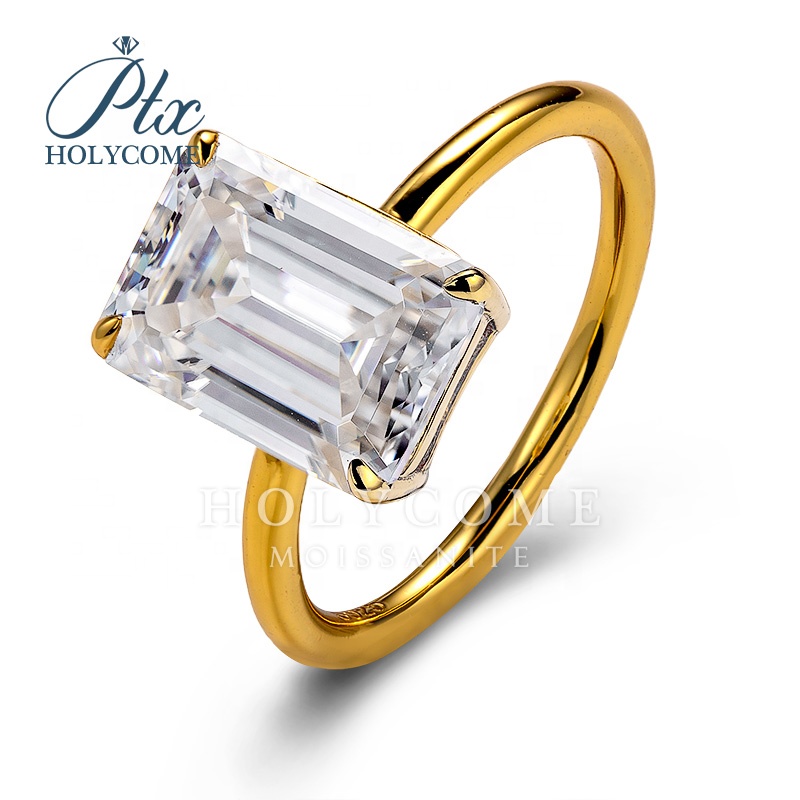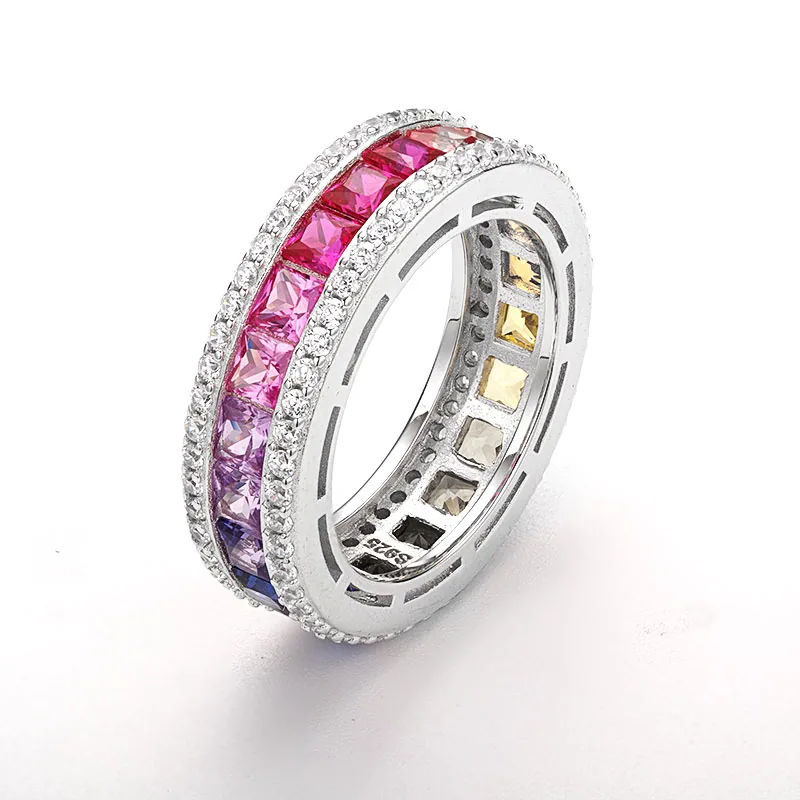
A lab-grown jewelry price ladder is not a discount list. It is a forecast instrument: the tier you offer should match the volume you can actually commit, or the discount becomes a margin leak.
IThe three-tier structure
Tier one is the trial, at list price. Tier two starts at 100 pieces with a modest reduction. Tier three is a program price tied to a quarterly forecast.
The gaps matter more than the levels. A 4 percent step between tier one and two is credible; a 30 percent step means the list price was never real.
Put the gram weight per size on the PO, not an average. Cost and feel both follow weight, and an average hides the size that breaks the margin.
IIWhat actually drives the discount
Four cost drivers: alloy purchase at volume, plating batch loading, bench learning curve and freight consolidation. A discount that is not tied to one of those is a discount that will be withdrawn.
Ask the factory to map each tier to a cost driver on lab-grown jewelry. The answer tells you whether the ladder is engineered or improvised.
| Tier | Volume | Discount vs list | Commitment |
|---|---|---|---|
| Trial | 30-50 pcs | List | None |
| Volume | 100-300 pcs | 6-10% | Per PO |
| Program | 500+ per quarter | 12-16% | Rolling forecast |
Read the table as a checklist rather than a recommendation. The right row depends on the price band, the wear pattern and the channel you sell into.
Compare five cost lines instead of two totals. Metal, stone, labor, finishing and overhead explain a gap that a single number hides.
IIIThe commitment behind tier three
Tier three should require a forecast, not a promise. A rolling 90-day forecast with a firm 30-day window is the usual structure, with the balance cancellable inside the rolling window.
Put the forecast accuracy expectation in writing. A tier price with no forecast discipline becomes a one-off discount.
IVProtecting the ladder
Two risks: a competitor undercuts your tier three, or the factory raises the base price and keeps the percentages. Guard with a price validity clause and a notice period.
On lab-grown jewelry, a 90-day price hold with 30 days' notice on changes is a fair commercial term.
The specification is the product. Two pieces built to the same six lines are the same product even when the price differs; two built to different lines are not.
VWhat to check before the order
Run the five checks below in order. The first two protect the money, the last three protect the launch date.
- Tie every tier to a cost driver.
- Keep the steps small and credible.
- Require a forecast for the top tier.
- Put price validity and notice in writing.
- Review the ladder once a year.
If a supplier cannot answer three of the five, treat the quote as a starting point rather than a plan. Ask again in writing and keep the answer with the PO.
VIFrequently Asked Questions
What discount should I expect on lab-grown jewelry at volume?
Six to ten percent at 100 to 300 pieces and twelve to sixteen at program volume, tied to a forecast.
Should the tier apply to mixed designs?
Usually the volume is counted across the family. Confirm whether the factory counts by design or by order.
Can I lose a tier if I order less?
Yes, unless the agreement says otherwise. Ask for a grace period on the first short quarter.
Is a large discount a warning sign?
Often. A 30 percent step usually means the list price carried a margin that was never sustainable.
How often should tiers be reviewed?
Annually, or when alloy or stone prices move more than ten percent.
What is the fastest way to lose money on a first order?
Skip the trial lot and accept an average gram weight. Both hide the problem until rework is at lot scale.
Send the lab-grown jewelry annual volume estimate. We return a three-tier ladder mapped to cost drivers, with the forecast terms spelled out. See the full range at Lab-Grown Jewelry and HOLYCOME.
The short version: specify the number, seal the sample, inspect against both. Everything else is negotiation.