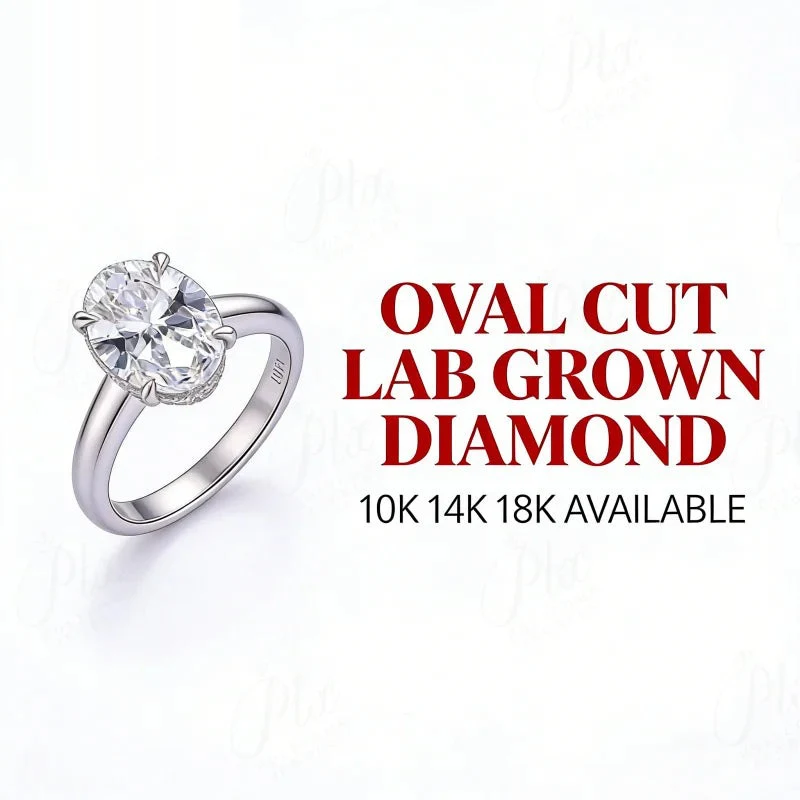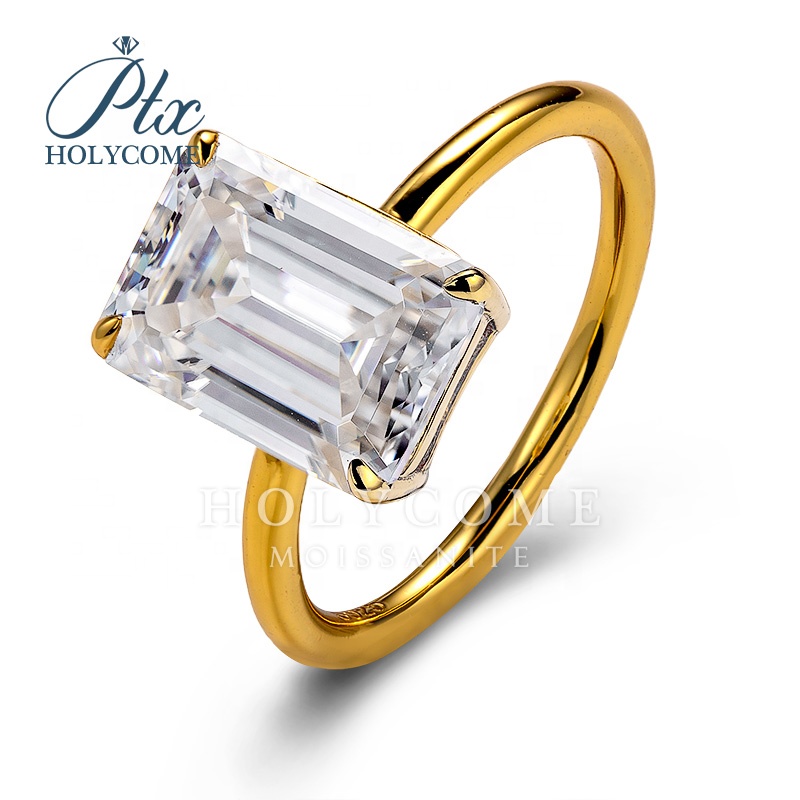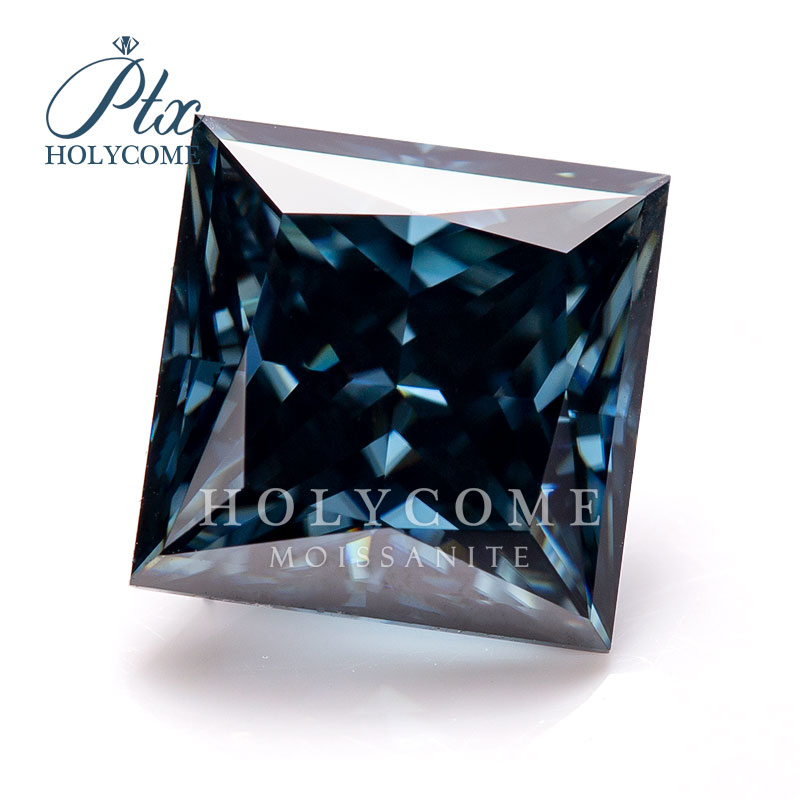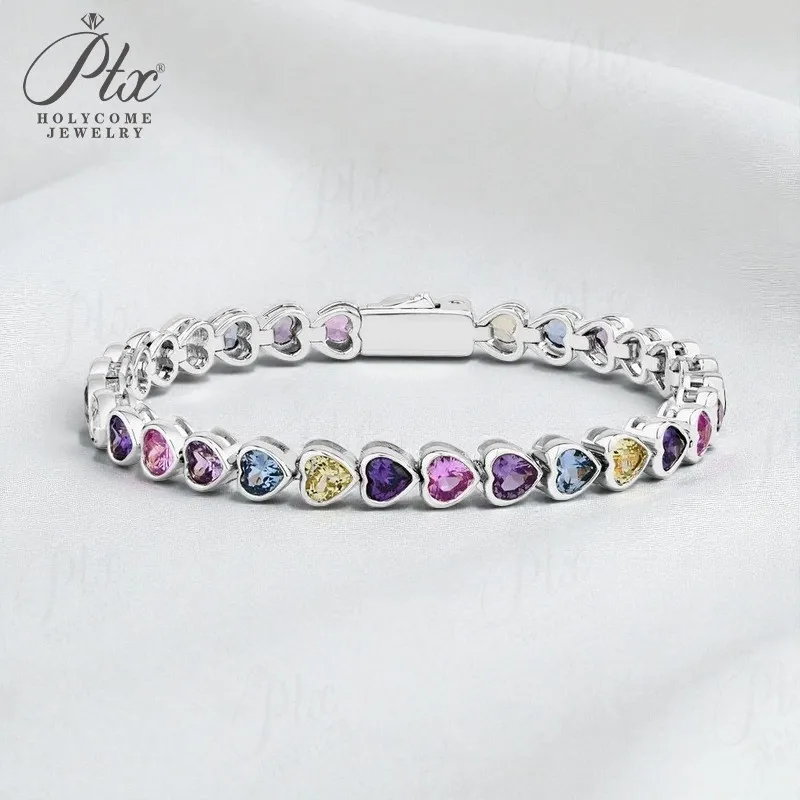
Buyers do not fail on lab-grown jewelry because the design is wrong; they fail because the range was never read as a range.
ISizes are where a range quietly loses money
A Lab-Grown Jewelry design that sells in four sizes and stocks in nine carries five dead variants for every winner. The range holds 3128 designs in this category.
The size curve is the cheapest part of the assortment to fix, because it needs no new design, only a decision about which bands to hold.
The metal split is narrow on purpose: 925 sterling silver at 99% keeps the quote cycle short for most reorders.
925 sterling silver carries 99% of the designs, which is why a metal change is a scheduling question and not a design question.
IIReading the curve before the order
| Band | Hold or quote | Why |
|---|---|---|
| Core band | Hold in stock | Carries most of the sell-through |
| Adjacent band | Hold one design | Covers the size requests |
| Extremes | Quote per order | Too slow to hold, too rare to drop |
925 sterling silver accounts for 99% of the designs. Lab grown diamond is the dominant stone at 100%.
The figure of 3128 is worth reconciling against your own shortlist before the quote, because it sets how much of the buy can be stock.
IIIWhy resizing is not a substitute for size coverage
Resizing works on a plain band and gets expensive on a set or a full eternity design. A buyer who plans to resize every order is planning to absorb a cost that belongs in the assortment decision.
Round cuts lead at 96%.
The stone concentration matters at the listing level: 100% of the range can be described with one consistent disclosure line.
IVSetting a curve you can actually stock
- Hold the core band in every design you carry
- Hold one adjacent band in the top two designs only
- Quote extremes rather than stocking them
- Record size requests that came back as a lost sale
Reference designs in the range include Loose Lab-Grown Gemstone 0001; Loose Lab-Grown Gemstone 0002; Loose Lab-Grown Gemstone 0003.
3128 designs means the shortlist can be assembled from stock patterns rather than from development requests.
Cut coverage leans on Round at 96%, with the remainder spread across quieter shapes.
VWhat the curve costs and returns
A tight curve lowers the units at risk and raises the chance the size a customer asks for is on the shelf. The trade-off is a quote on the edges, which is a delay rather than a lost sale if it is stated up front.
Cuts outside the Round lead are where a range differentiates, and also where a sample request is most likely to come back late.
VIRange snapshot: Lab-Grown Jewelry by the numbers
Lab grown diamond is the dominant stone at 100%.
| Dimension | Reading | Buying note |
|---|---|---|
| Designs on file | 3128 | Shortlist can come from stock patterns |
| Dominant metal | 925 sterling silver (99%) | Quote cycle stays short |
| Dominant stone | lab grown diamond (100%) | Sourcing already settled |
| Leading cut | Round (96%) | Consistent visual language |
Lab grown diamond is the dominant stone at 100%. Read the snapshot before the shortlist: a category that is narrow in metal but deep in cut behaves differently from one that is the other way round.
VIIFrequently Asked Questions
How many sizes should a design carry?
The core band plus one adjacent band is enough for most stores. The rest can be quoted per order.
Is it better to resize or to stock more sizes?
Resize on plain bands, stock on complex settings. The setting type decides which is cheaper.
Do size variants count against MOQ?
Usually they are counted per design per size. Confirm before assuming a size run is a single line.
What is the most common size mistake?
Stocking nine sizes of one design and two sizes of the design that actually sells.
Can the factory hold stock for a size run?
Some can, on stock patterns. Ask which designs are held and which are built to order.
If you want to work from the current range rather than from a catalog PDF, send the two price slots you sell and the size bands you stock. We will reply with the designs that fit, the build on each, and the reorder path. HOLYCOME keeps the full range in one place.