ILab-Grown Jewelry for Wholesale Buyers: Planning MOQ and Sample Orders
Lab-grown jewelry is available to wholesale buyers under flexible ordering terms: stock styles carry a minimum order quantity of 1 piece, custom work starts at 30 pieces, and loose stones are sold by the carat. That structure changes how a first order should be planned.
Rather than committing to a large production run before you know how a design performs, you can sample broadly, buy small quantities of stock styles to test demand, and move into a custom run only once a design has earned it.
This article covers the practical decisions US wholesale buyers face when planning MOQ and sample orders for lab-grown jewelry, including how to build a sampling budget, how to sequence a custom run, and how to time production and delivery around a launch calendar.
IIWhy the MOQ Structure Shapes Your Buying Strategy
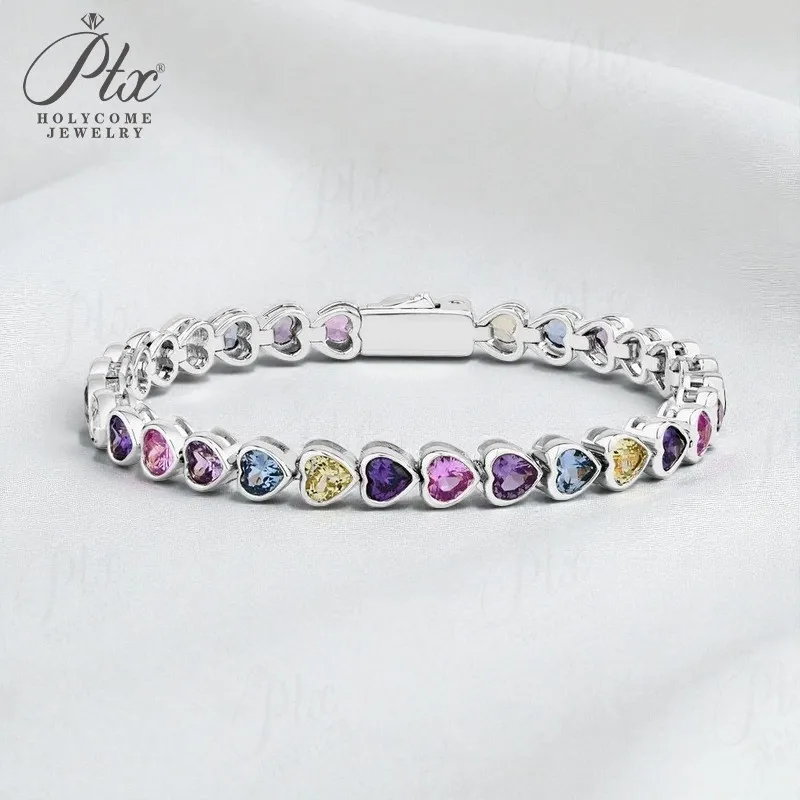
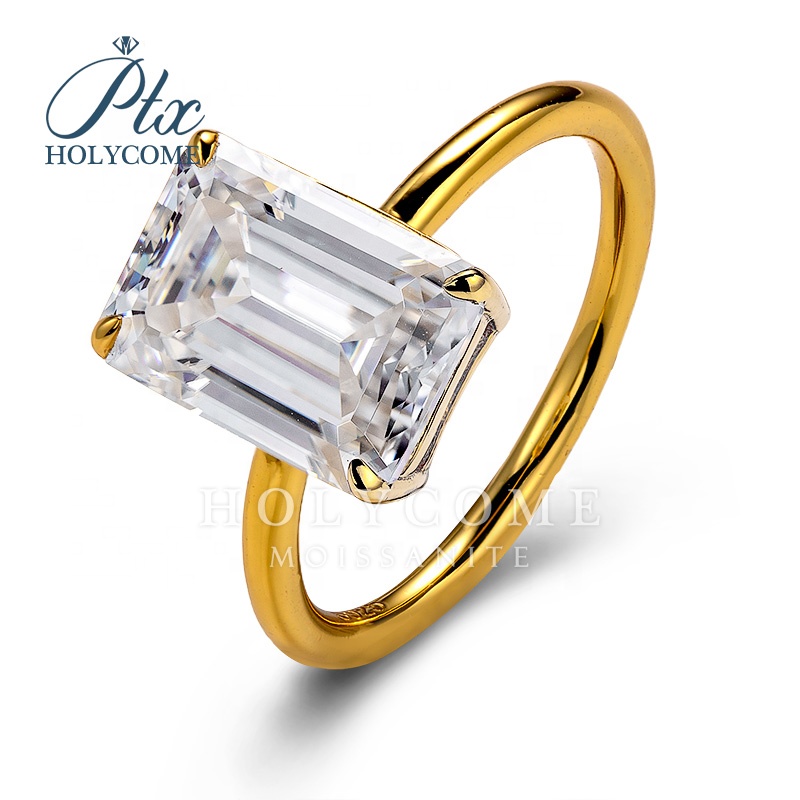
Many product categories force a tradeoff between low minimums and limited choice. Lab-grown jewelry avoids that pattern because stock styles are available at a 1-piece minimum. A buyer can order a single pendant in 14K solid gold, one pair of 925 sterling silver studs, and a loose stone by the carat on the same purchase order, then evaluate how each item wears, photographs, and sells before placing a deeper buy.
Custom work follows different rules. With a 30-piece MOQ per custom style, you are committing to a production run, so the decision deserves its own process. The reliable sequence is to sample the closest existing stock style first, confirm the specifications you want changed, and only then request the custom run.
Skipping the sampling stage to save a couple of weeks tends to cost more later, because revisions are far easier to make on a physical sample than after a bulk order has entered production.
Stock Styles Versus Custom Runs
Stock styles suit buyers who need inventory quickly or who are still defining their assortment. Because the designs already exist, there is no tooling or design cycle on reorder, and you can scale up the winners as sell-through data comes in. Custom runs suit buyers who have validated demand and want designs competitors cannot source from a catalog.
The 30-piece minimum exists for practical reasons: casting, stone setting, and quality checks each have fixed setup steps, and spreading those steps across 30 pieces keeps unit pricing workable for both sides.
Loose Stones as a Separate Buying Decision
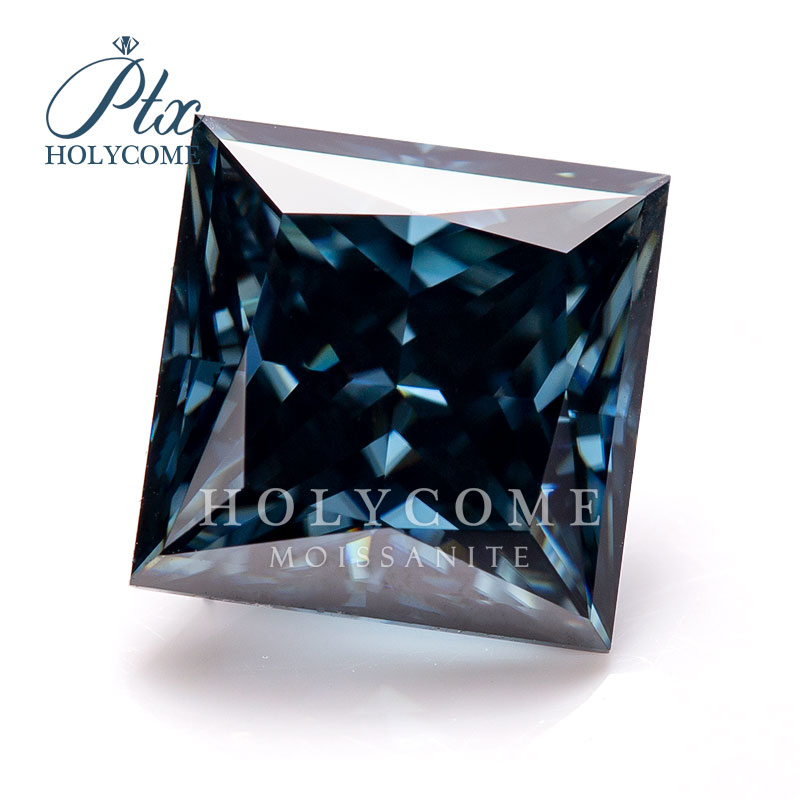
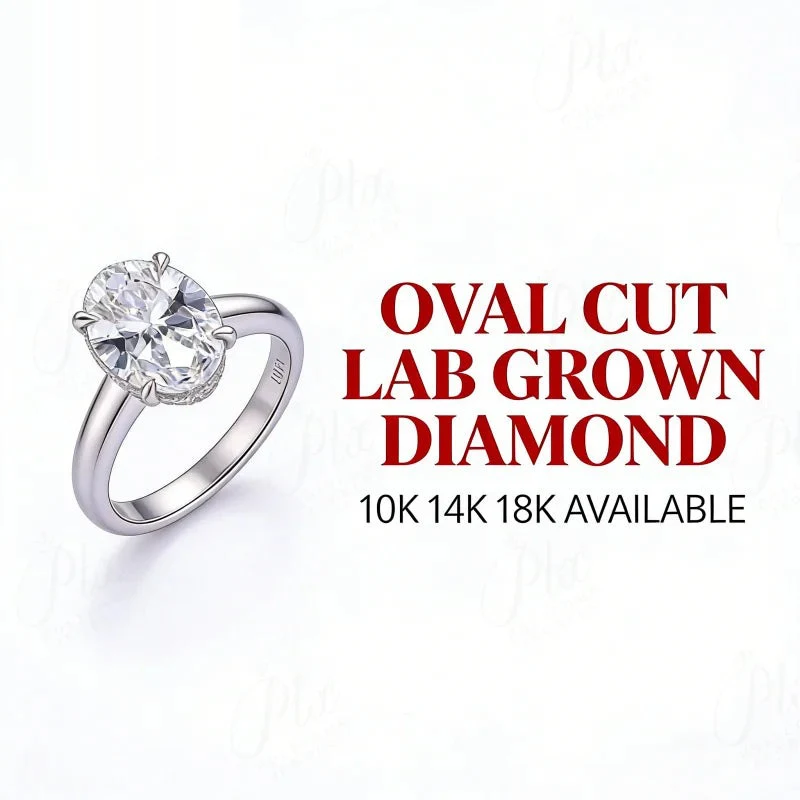
Loose lab-grown stones are priced per carat and ordered independently of finished pieces. Buyers who work with their own setters, or who want to verify stone quality before committing to a finished design, often start here. Graded stones come with GRA or IGI papers, which document the stone's characteristics and give you a consistent reference when you later order a matching finished piece.
If your business involves local setting or bespoke client work, pairing loose stones with a small sample of finished settings is a sensible first move.
IIIBuilding a Sample Order That Informs Your Bulk Decision
A sample order should answer specific questions rather than simply showcase attractive pieces. Before placing one, list what you need to verify: metal weight and feel, stone brilliance in different lighting, plating quality on vermeil and gold plated items, packaging, and how each piece photographs for your listings. Then build the sample cart to test every variable on that list.
- Order the same design in two metals, such as 925 sterling silver and 14K solid gold, to compare how each fits your price points.
- Include one gold vermeil and one gold plated piece if you plan to offer both, since wear characteristics differ in ways photos rarely show.
- Add one or two loose stones by the carat with GRA or IGI papers to benchmark loose quality against stones in finished pieces.
- Spread styles across your likely price tiers so one round of sampling maps your full assortment range.
Sampling Timelines and What to Expect
Sampling for lab-grown jewelry takes 7 to 10 days. That window covers production of the sample pieces and basic inspection before they ship. Plan around it honestly: if you need a sample in hand for a trade show or a client meeting, build the 7-to-10-day window plus shipping time into your schedule. Buyers who treat sampling as a quick formality end up compressing their own review time, which defeats the purpose of ordering samples in the first place.
Payment terms differ by order type, and it helps to know them when budgeting. Sample orders can be paid through PayPal, which keeps the transaction simple and low-commitment. Bulk orders run on T/T terms with a 30 percent deposit and the remaining 70 percent balance due before shipment. That means your cash flow planning for a bulk run should account for two outflows: the deposit at order confirmation and the balance shortly before the goods leave the factory.
What a Sample Should Confirm Before You Commit to 30 Pieces
Before converting a sampled design into a custom run, check the details that are costly to change later: stone size and setting style, shank thickness on rings, clasp type on chains, and metal composition. Confirm that vermeil pieces meet your expectation for gold thickness over sterling silver, and that gold plated samples match your finish standard. Review the GRA or IGI paperwork on any graded stones in the sample so the bulk run can be specified to match.
A half hour with the physical sample at this stage prevents most of the disputes that arise after bulk production begins.
IVPricing and Budgeting Across Order Types
Lab-grown jewelry is priced per piece or per carat depending on the item, so your budgeting needs to handle both units. Finished pieces are quoted per piece, while loose stones are quoted per carat, which means a larger stone raises cost in a different way than a heavier metal setting does. The table below summarizes how the main order variables differ so you can plan a first purchase order.
| Order type | Minimum | Pricing basis | Payment method |
|---|---|---|---|
| Stock styles | 1 piece | Per piece | PayPal or T/T |
| Custom work | 30 pieces | Per piece | T/T, 30 percent deposit |
| Loose stones | Sold by carat | Per carat | Varies by order |
Use the table to structure your first order: a stock-style test buy paid through PayPal, followed by a custom run on T/T terms once the design has proven itself. Since custom pricing depends on the specifications you confirm during sampling, treat your sample order as the discovery step that makes your bulk quote accurate.
VQuality Control and What It Means for Large Orders
Quality assurance for lab-grown jewelry runs through three stages: incoming inspection of materials and stones, in-process checks during production, and a pre-shipment AQL inspection before goods are packed. For a 30-piece custom run, that pre-ship inspection matters more than it does for a single sample, because defects at bulk scale multiply. Ask which AQL level will be applied to your order and whether you can request photos of the inspection results before the balance payment is due.
Stone Documentation in Bulk Runs
When your bulk order includes graded stones, confirm in writing that every stone ships with GRA or IGI papers matching the specification agreed during sampling. Because loose stones are sold by the carat and finished pieces by the unit, documentation is what ties the bulk order back to the sample you approved. Buyers who skip this confirmation sometimes receive stones within the general spec but outside the exact grade they sampled, which creates listing and pricing problems downstream.
Delivery Planning for the US Market
DDP delivery to the US takes 5 to 8 days after shipment. DDP means duties and shipping are handled before the goods reach you, so landed cost is known at quote stage and there is no surprise customs bill. Combine that window with production timelines to build a realistic calendar: sampling at 7 to 10 days, bulk production at 15 to 25 days after sample approval, and 5 to 8 days in transit.
A custom program that starts with sampling in week one can realistically have bulk goods in your warehouse within roughly five to six weeks.
VITiming Your Order Calendar Around Launches and Seasons
With the timelines above, work backward from your target in-stock date. For a holiday launch, sampling should be complete well before your bulk deposit date, leaving the 15-to-25-day production window and the 5-to-8-day transit clear of peak carrier congestion. For restocks of stock styles, the 1-piece MOQ lets you fill gaps with small quantities while a larger reorder is in progress, so you are never choosing between an empty shelf and an overcommitment.
A practical rhythm for many buyers looks like this: a quarterly sample round to explore new designs, stock-style reorders between rounds based on sell-through, and one or two custom runs per year for designs that have demonstrated consistent demand. That rhythm keeps the 30-piece MOQ reserved for proven winners while the low stock minimum keeps your assortment fresh.
Common Mistakes in Sample and MOQ Planning
- Ordering samples only in one metal, then discovering your customers prefer a different price tier entirely.
- Skipping the loose-stone check and assuming finished-piece stones match the graded stones you reviewed.
- Scheduling a custom run with no buffer between the 15-to-25-day production window and a fixed launch date.
- Treating the sample stage as a formality and approving a design without checking weight, finish, and clasp details.
- Forgetting that the 70 percent balance falls due before shipment and tying up cash needed for freight or marketing.
Order Terms for Wholesale Buyers
MOQ is 1 piece for stock styles and 30 pieces for custom work, and loose stones are sold by the carat. Sampling takes 7 to 10 days, and bulk production runs 15 to 25 days after the sample is approved. Pricing is quoted per piece or per carat depending on the item. Payment is T/T with a 30% deposit and the 70% balance before shipment, and PayPal is accepted for sample orders.
VIIFrequently Asked Questions
Can I order a single piece to test a stock design?
Yes. Stock styles carry a 1-piece MOQ, so you can order one unit of any design to evaluate it before buying more. Loose stones are sold separately by the carat.
What is the minimum for custom lab-grown jewelry?
Custom work requires 30 pieces per style. The recommended path is to sample the closest stock design first, confirm your changes on the physical piece, and then start the custom run.
How long do samples take, and how are they paid for?
Sampling takes 7 to 10 days, and sample orders can be paid through PayPal. Bulk orders use T/T with a 30 percent deposit and 70 percent balance before shipment.
Do graded stones come with certificates?
Yes. Graded stones ship with GRA or IGI papers documenting their characteristics. Confirm during sampling that bulk stones will match the grade on the paperwork you reviewed.
How long does delivery to the US take?
DDP delivery to the US takes 5 to 8 days after shipment, with duties handled before arrival. Bulk production takes 15 to 25 days after sample approval before goods ship.
VIIIStart Your Lab-Grown Jewelry Program With a Sample Order
The lowest-risk way to begin is a small sample order: one or two stock styles at the 1-piece minimum, a loose stone or two by the carat, and a clear list of what each piece needs to prove. Once a design shows demand, the same supplier relationship takes you into a 30-piece custom run with production, three-stage quality checks, and DDP delivery to the US already defined.
Browse our wholesale buying guides and category articles to sharpen your product strategy, learn more about our company background and manufacturing process, and review options for custom lab-grown jewelry production from 30 pieces when you are ready to move beyond stock designs.
Sources: Grading references: GIA gem education and GIA laboratory information.