The question that decides a lab-grown jewelry order is rarely the one printed in the catalog.
IMost defects are visible in the first ten minutes
Incoming inspection is not a full re-inspection. It is a fast check against the spec sheet on the fields that fail most often. The range holds 3128 designs in this category.
Ten minutes per carton catches the majority of build drift before it reaches a customer.
Read the metal line as a lead time signal: 925 sterling silver at 99% is the path production already runs every week.
IIThe ten-minute sequence
| Step | Check | Reject signal |
|---|---|---|
| 1 | Count against the packing list | Short or substituted designs |
| 2 | Metal stamp and tone | Stamp missing or tone uneven |
| 3 | Stone seating, reverse side | Any movement under light pressure |
| 4 | Size against the ordered band | More than one size out |
925 sterling silver accounts for 99% of the designs. Lab grown diamond is the dominant stone at 100%.
A range of 3128 designs is deep enough that a shortlist of six can be drawn without leaving a price slot empty.
IIIWhy the reverse side is the fastest check
Loose stones show at the back first. Tilting the piece under a lamp and looking at the gallery takes seconds and catches the defect that would otherwise become a return.
Round cuts lead at 96%.
The stone concentration matters at the listing level: 100% of the range can be described with one consistent disclosure line.
IVRecording what you find
- Photograph the defect, not the design
- Record the design code and the carton
- Note whether the defect is build or transit
- Keep a running rate per design, not per shipment
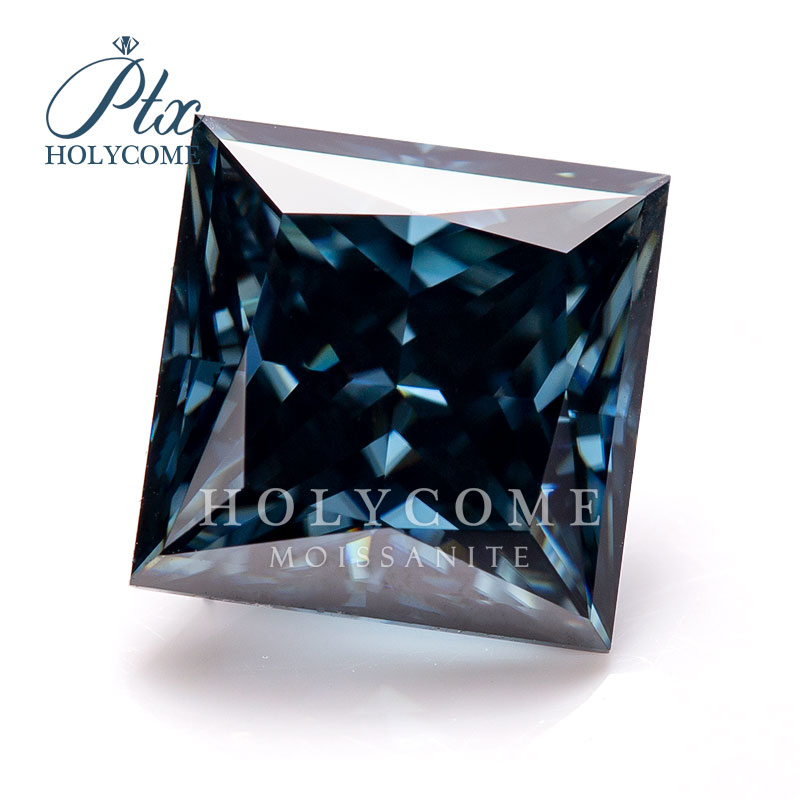
Reference designs in the range include Loose Lab-Grown Gemstone 0001; Loose Lab-Grown Gemstone 0002; Loose Lab-Grown Gemstone 0003.
The figure of 3128 is worth reconciling against your own shortlist before the quote, because it sets how much of the buy can be stock.
Cuts outside the Round lead are where a range differentiates, and also where a sample request is most likely to come back late.
VWhat the record changes
A defect rate per design tells you which line to drop and which to keep. A defect rate per shipment only tells you that something went wrong once.
Round at 96% is the cut a photographer can light consistently, which shortens the time from sample to listing.
VIRange snapshot: Lab-Grown Jewelry by the numbers
Lab grown diamond is the dominant stone at 100%.
| Dimension | Reading | Buying note |
|---|---|---|
| Designs on file | 3128 | Shortlist can come from stock patterns |
| Dominant metal | 925 sterling silver (99%) | Quote cycle stays short |
| Dominant stone | lab grown diamond (100%) | Sourcing already settled |
| Leading cut | Round (96%) | Consistent visual language |
Lab grown diamond is the dominant stone at 100%. Read the snapshot before the shortlist: a category that is narrow in metal but deep in cut behaves differently from one that is the other way round.
VIIFrequently Asked Questions
Do I need to inspect every carton?
Sampling is normal, but the sample has to be random and recorded. Inspecting only the top layer teaches nothing.
What is the most common incoming defect?
Loose stones and plating tone variation. Both are visible in the first minutes if the reverse side is checked.
Should I reject a whole carton for one defect?
Only if the defect is systemic. One piece is a note; the same defect across the carton is a rejection.
How do I track supplier quality over time?
By defect rate per design, not per order. The design-level figure is what informs the reorder.
Is QC the buyer's job or the factory's?
Both, at different stages. Incoming QC is the last cheap point before the customer.
If you want to work from the current range rather than from a catalog PDF, send the two price slots you sell and the size bands you stock. We will reply with the designs that fit, the build on each, and the reorder path. HOLYCOME keeps the full range in one place.
The checklist below is the short version of everything above, and it is worth running before the quote rather than after the order.
- Confirm the design is a stock pattern and not a new build
- Match the base metal and finish against the spec sheet
- Check the stone origin wording before it goes on a listing
- Confirm the 925 sterling silver share of the shortlist at 99%
- Quote every design at the same MOQ tier before comparing
- Ask which design in the same price slot absorbs a stock-out