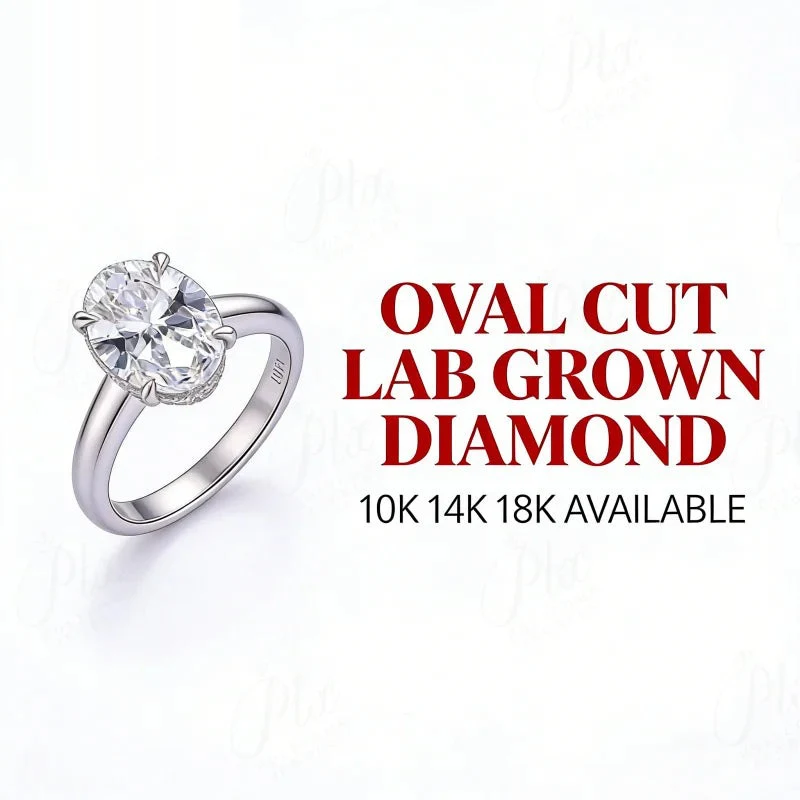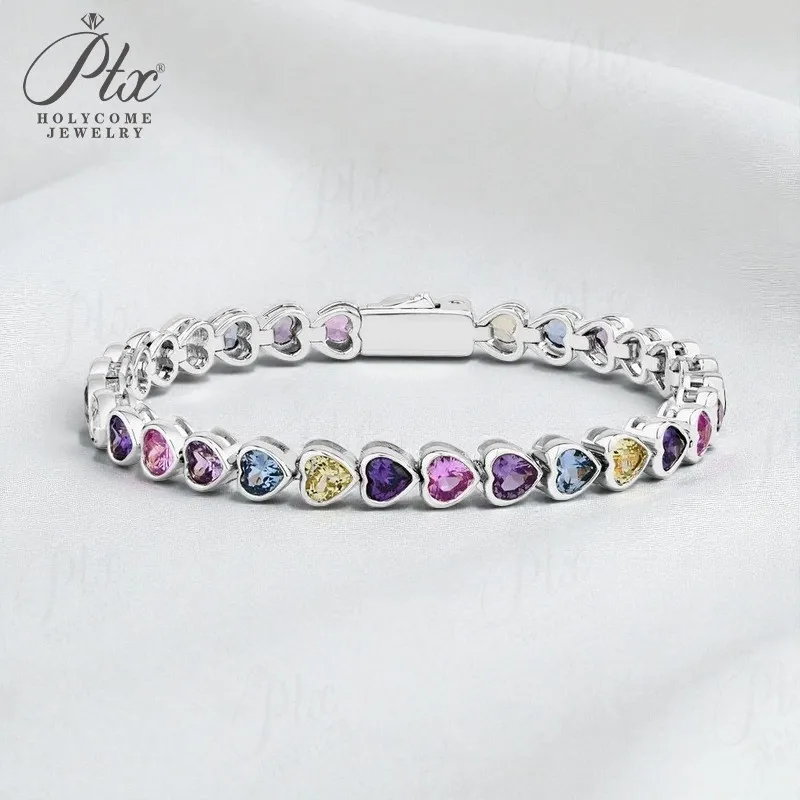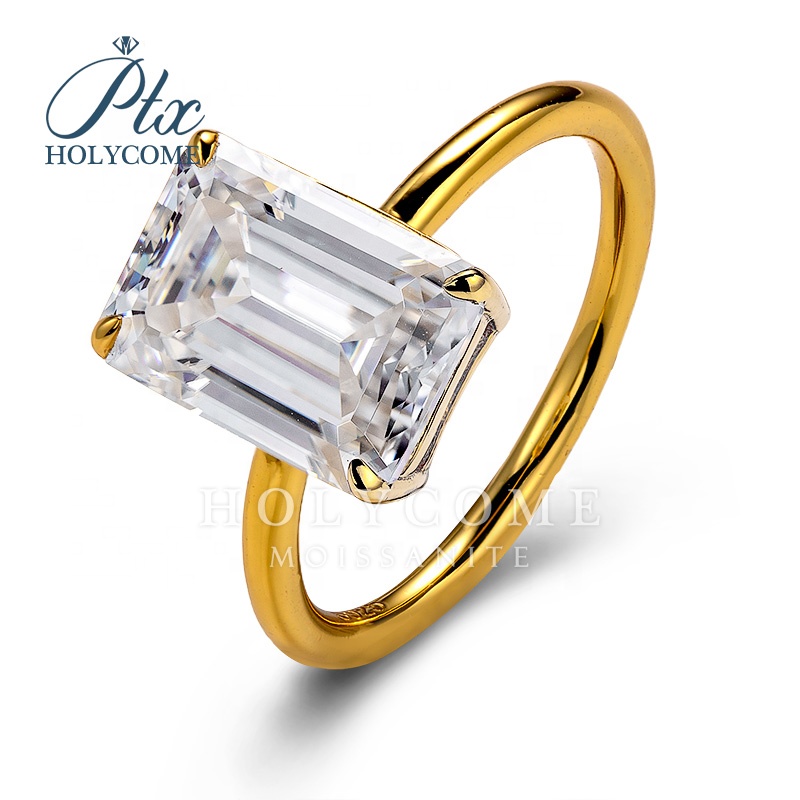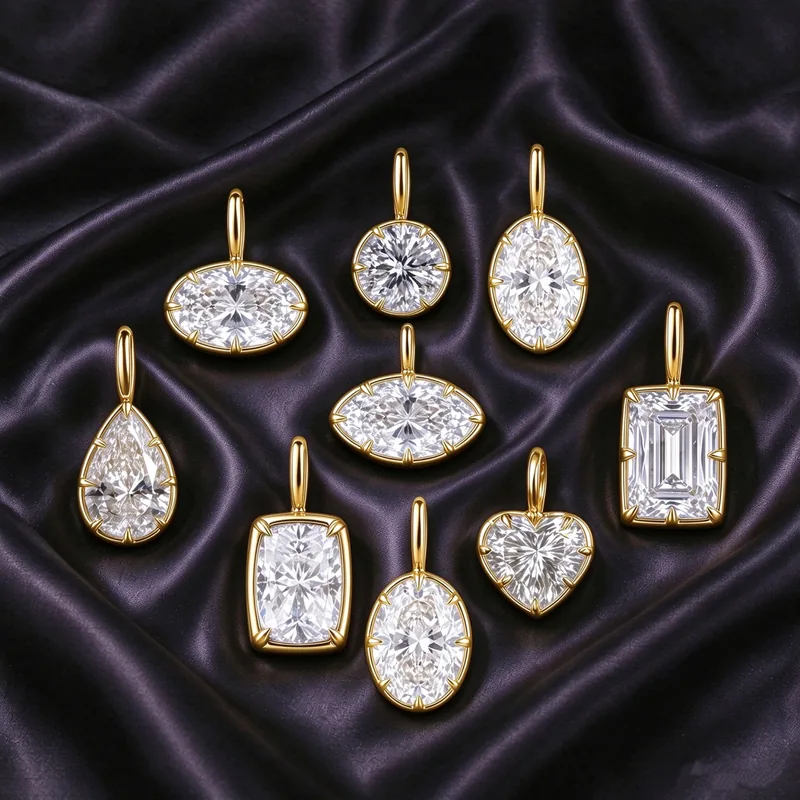
On lab-grown jewelry, size is the number one return reason that has nothing to do with taste. A half-size drift inside one lot is enough to turn a clean program into a stream of exchanges.
IWhere size drift comes from
Three sources: the mold or CAD allowance, the polishing loss at the inner face, and the size stick used at the bench. On lab-grown jewelry, a 0.15 mm polishing loss is half a US size on a ring.
Ask which size standard the factory works to, US, UK or EU, and whether the stick is calibrated. Factories that answer vaguely are measuring by feel.
Photograph the first article before the batch runs. A shifted seat or a short prong is cheapest to fix at one piece.
IISpecifying the size run
Write the size curve, not just the range: for example US 5 to 9 with 20 percent at 6 and 7, 15 percent at 5 and 8, and 10 percent at 9. A flat curve leaves you with the extremes unsold.
Add the tolerance: plus or minus 0.1 mm on the inner diameter, measured after polishing, on lab-grown jewelry.
| Measure | Tool | Tolerance | Frequency |
|---|---|---|---|
| Ring inner diameter | Ring gauge | ±0.1 mm | 10 per size |
| Chain length | Tape | ±5 mm | 10 per SKU |
| Clasp opening | Caliper | ±0.2 mm | 5 per SKU |
| Ear post length | Caliper | ±0.5 mm | 10 per SKU |
Read the table as a checklist rather than a recommendation. The right row depends on the price band, the wear pattern and the channel you sell into.
Set the reorder point from sell-through and lead time, not from the MOQ. Stock cover is a calculation, not a feeling.
IIIIncoming measurement
Measure ten pieces per size with a ring gauge or caliper at the inner diameter. Record the result by size. A lot that drifts at one size is a mold problem; a lot that drifts across all sizes is a stick problem.
For chains and bracelets, measure the clasp and the total length, and check the extension chain if the design has one.
IVRepair and resize policy
Ask whether the design can be resized, and by how many sizes. An eternity band or a full-channel setting often cannot. That limitation belongs in the listing, not in the return conversation.
On lab-grown jewelry, a resizable design is worth a small price premium because it removes a whole category of returns.
Price moves with three inputs: alloy, stone and plating. A quote that holds for ninety days is a quote that has priced those three honestly.
VWhat to check before the order
Run the five checks below in order. The first two protect the money, the last three protect the launch date.
- Name the size standard in the PO.
- Write the size curve, not only the range.
- Measure after polishing, not before.
- Record drift by size, not as an average.
- State resize limits in the listing.
If a supplier cannot answer three of the five, treat the quote as a starting point rather than a plan. Ask again in writing and keep the answer with the PO.
VIFrequently Asked Questions
Why do lab-grown jewelry sizes vary inside one lot?
Usually polishing loss at the inner face or an uncalibrated size stick. Ask for the post-polish measurement.
Should I use US or EU sizing?
Use the market you sell into. For US retail, US sizing with a stated tolerance is the cleanest.
Can a ring be resized after plating?
Yes, but the plating at the joint needs rework. Ask for the replating cost before you promise a resize.
How many pieces should I measure?
Ten per size for a first lot, five per size after that, plus every piece in a complaint sample.
What tolerance is realistic?
Plus or minus 0.1 mm on the inner diameter after polishing is a fair commercial standard.
What is the fastest way to lose money on a first order?
Skip the trial lot and accept an average gram weight. Both hide the problem until rework is at lot scale.
Send the lab-grown jewelry size range and market. We return the size curve, the tolerance sheet and the resizing limits for each design. See the full range at Lab-Grown Jewelry and HOLYCOME.
None of this is exotic. It is a document, a measurement and a date, repeated until it becomes a process.