Once you know the stone and the budget, the next decision is the style. Most buyers fixate on the diamond or moissanite and forget that the setting shape changes everything: how big the ring looks, how it sits next to a wedding band, and whether it suits a busy lifestyle. This guide compares the four main engagement ring styles in plain language so you can choose with confidence.
IThe Solitaire: Timeless and Clean
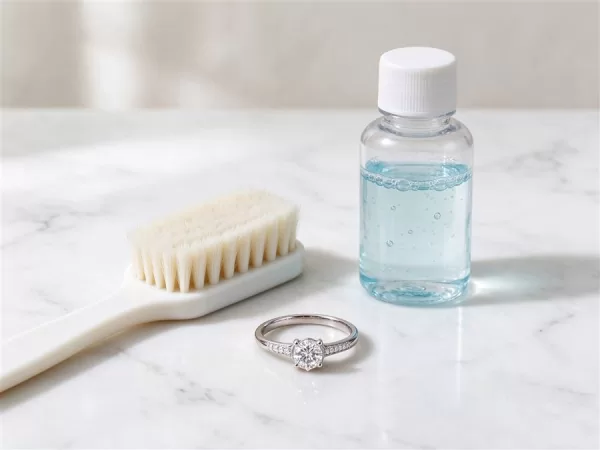
The solitaire is a single center stone on a plain band. It is the classic engagement ring because nothing competes with the stone. A round brilliant solitaire on a slim band reads elegant, timeless, and it will still look right in thirty years. The trade-off is that it looks smaller than a halo at the same carat, because there is nothing around it. If she wears simple jewelry and rarely draws attention, the solitaire is the respectful choice. Our classic solitaire ring is built exactly for this brief.
IIThe Halo: Maximum Sparkle and Size
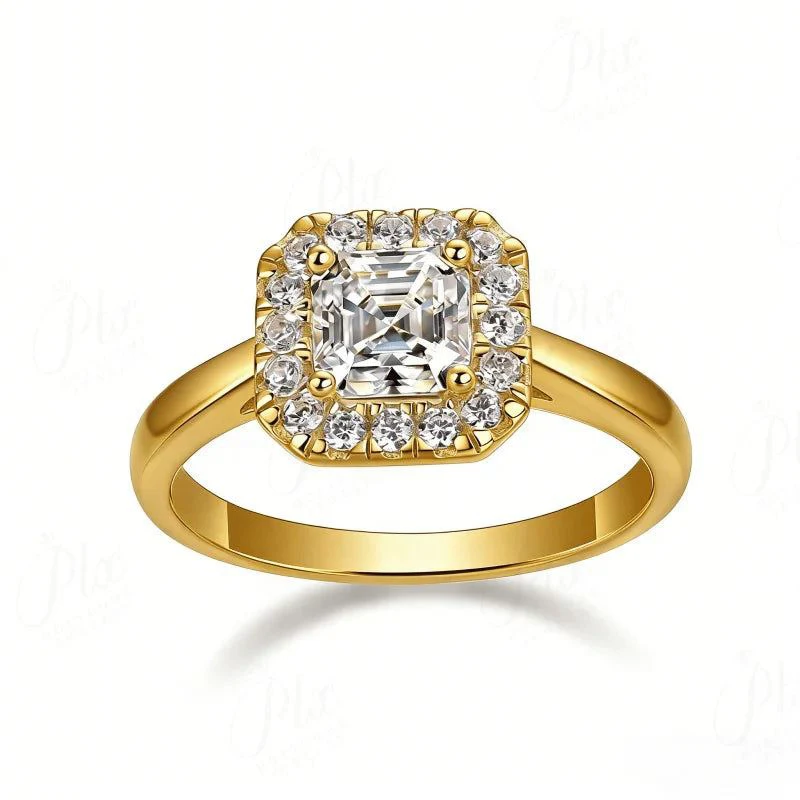
A halo setting surrounds the center stone with a ring of smaller stones. The effect is twofold: the center stone looks larger than its actual carat, and the extra stones add serious sparkle. Halo rings photograph beautifully, which matters for the modern couple. The downside is that a halo reads more glamorous and less minimalist, and it can sit higher on the finger, which is worth considering if she works with her hands. Our cushion halo ring shows how balanced a halo can be.
IIIThe Three-Stone: Story and Meaning
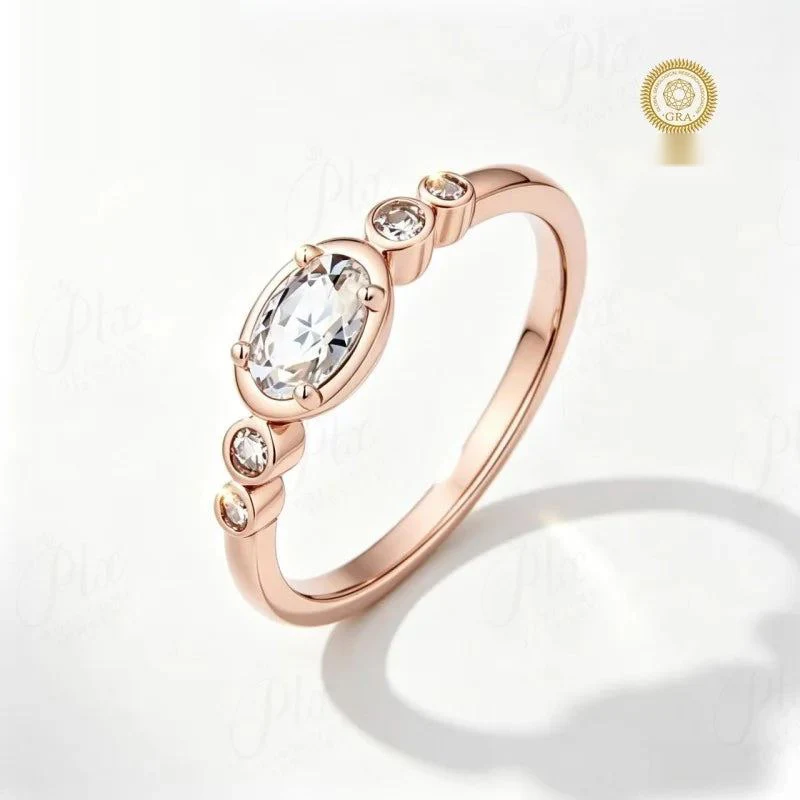
The three-stone ring carries a built-in narrative: past, present and future. Two side stones frame the center and add width to the finger. It looks substantial and intentional without the full coverage of a halo. Three-stone settings suit romantic, expressive personalities. They also give you room to play with shapes: a round center with tapered baguette sides reads modern; two pear sides read vintage. See the three-stone twist design for a fresh take.
IVThe Bezel: Modern and Protected
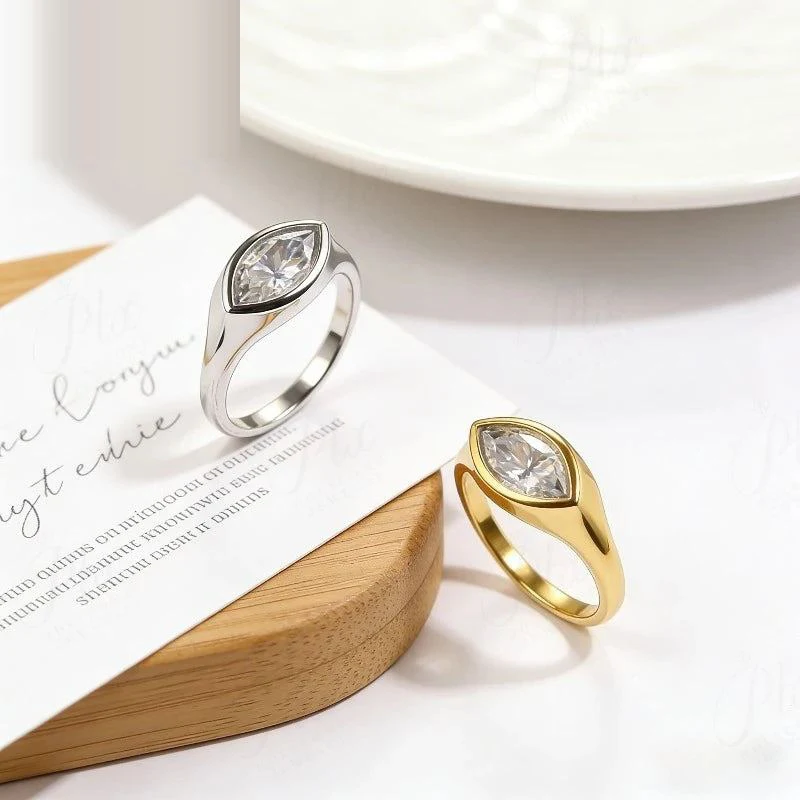
A bezel setting wraps a thin metal rim around the stone instead of using prongs. It is the most protective style: the stone is shielded from knocks and snags. Bezel rings read modern, architectural and understated. They are perfect for an active lifestyle or someone who works with her hands. The trade-off is that a bezel slightly covers the edge of the stone, so it can look a touch smaller. If you are deciding based on daily wear, read our guide to rings for an active lifestyle.
VHow the Style Sits With a Wedding Band
One detail buyers overlook: how the engagement ring meets the wedding band. A solitaire on a plain band pairs with almost any wedding ring. A halo or a three-stone with stones running down the band may need a contoured wedding band to sit flush. If you plan to wear both rings together, factor this in. We explain the pairing in choosing a wedding band that complements the ring.
VIMatch the Style to Her Existing Taste
The safest compass is what she already wears. If her jewelry box is small gold studs and a simple watch, lean solitaire or bezel. If she loves bold, eye-catching pieces, a halo will delight her. If she collects vintage and romantic details, the three-stone or an art-deco inspired setting fits. Look at her saved posts, as we describe in matching the ring to her style.
VIIShape Is a Separate Decision
Remember that the stone shape (round, oval, cushion, pear) is separate from the setting style. A round solitaire and an oval halo are different choices on two axes. If you have not settled the shape yet, read our comparison of moissanite cut shapes.
VIIIThe Bottom Line
Choose the solitaire for timeless simplicity, the halo for sparkle and presence, the three-stone for meaning, and the bezel for protection and modern lines. Whichever you pick, build it around how she lives and what she already loves. Browse our engagement rings collection or start a custom design to build the exact style you have in mind.
IXHow Budget Shapes the Style Decision
Your budget often steers the style more than taste does. A solitaire uses fewer stones, so the same budget buys a larger center stone. A halo adds smaller stones around the center, which raises the total cost even if the center is smaller. A three-stone sits in between. Knowing this helps you decide where to spend: if size matters most, a solitaire stretches the budget further; if sparkle matters, a halo delivers visual drama. Read what different budgets actually buy in what you can really afford.
XThe Setting and the Center Stone Are Two Choices
Buyers sometimes treat "the ring" as one decision, but it is really two: the stone shape and the setting style. A round stone in a halo is a different look from a round stone in a solitaire. Narrow them separately. First choose the stone shape that flatters the finger, as we explain in matching shape to your hand. Then choose the setting that matches her personality. This two-step approach prevents settling on a look you have not fully thought through.
XIWhat Happens if You Change Your Mind Later
A common worry is picking a setting she might outgrow. The good news is that settings can be changed later without replacing the stone. A solitaire can be re-set into a halo, or a plain band can receive accent stones. This means you do not need to choose the "final" setting on day one. Pick the setting she will love now, knowing the ring can evolve. Browse our engagement ring collection to compare settings side by side.
XIIUpgrading the Ring Later
A common worry is picking a setting she might outgrow. The good news is that settings can be changed without replacing the stone. A solitaire can be reset into a halo; a plain band can receive accent stones. This means you do not need to choose the final setting on day one. Pick what she will love now, knowing the ring can evolve. Browse our engagement rings to compare the styles side by side before you decide.
XIIIRelated Articles
- Choosing a Ring for an Active Lifestyle: Gym, Hiking, and Everyday Wear
- The Proposal Planning Guide: From Question to Ring in Three Months
The history and conventions of engagement rings are outlined in the Wikipedia entry on engagement rings.
XIVFrequently Asked Questions
What ring sizes can you supply in bulk?
US sizes 5–12 including half sizes. Send a size breakdown with your order and we cast to that curve; comfort-fit inner bands reduce resize requests.
Can I order a mixed size run instead of one size?
Yes. Mixed runs are standard for wholesale: specify quantity per size and we pack and label by size at no extra labor cost.
What is the MOQ for custom ring designs?
50 pieces per design for existing molds; 100–300 pieces when a new mold or CAD model is required.
How should I price rings for retail margin?
Most partners use a 3–4x markup on FOB cost for sterling and 2.5–3x for moissanite solos, which keeps landed cost under 30% of retail.