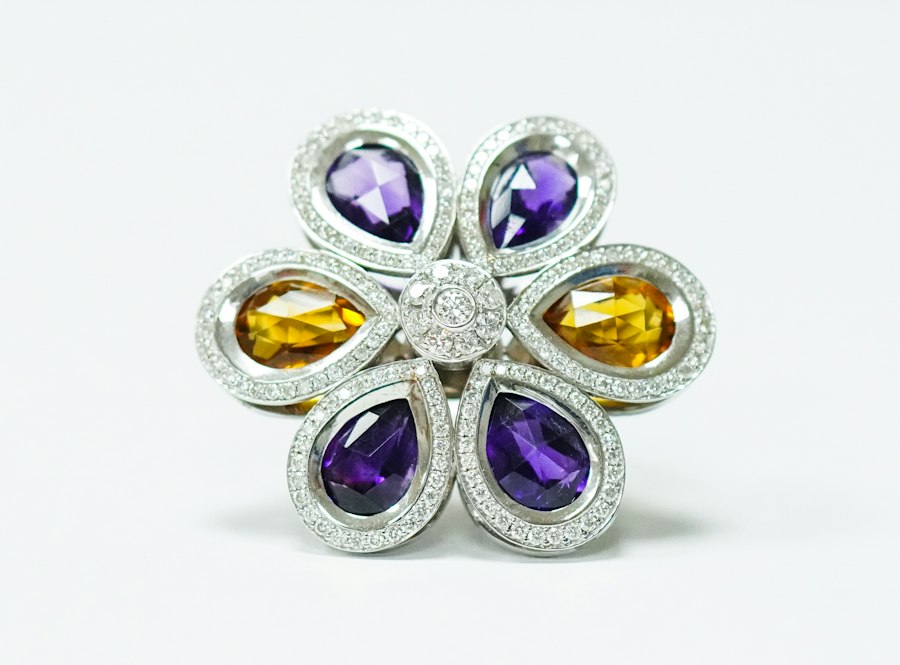
For decades, the rule was simple: pick one metal and stay loyal to it. Jewelry boxes were divided into gold piles and silver piles, and mixing them was a fashion misdemeanor. That rule has quietly expired. Today, the most interesting commissions are often the ones that refuse to choose.
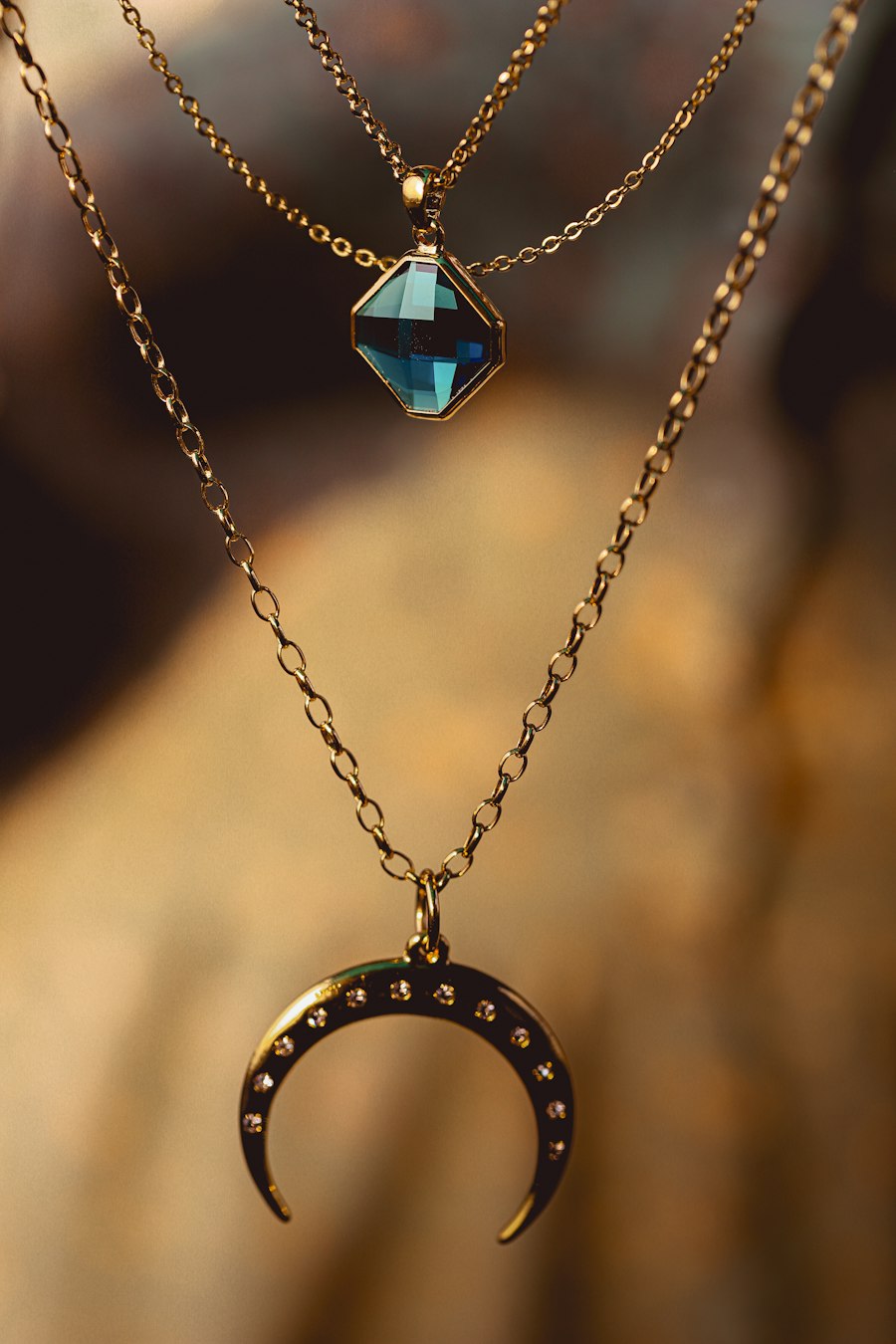
Two-tone jewelry is not just a trend for the sake of novelty. When it is designed well, it solves real problems. It ties together metals you already own, it flatters skin tones that are hard to dress, and it gives a single ring layers of meaning at very close range.
The combinations that actually flatter
The safest starting point is a two-tone pairing rather than a three-tone scramble. White and yellow gold is the classic: a cool, bright setting that makes a white diamond pop, over a warm shank that reads softer against the skin. Rose and white gold is the modern favorite—rose gold has enough copper to sit warmly on almost any skin tone, while the white setting keeps a colorless stone looking crisp.
Three-tone work (rose, white, and yellow in one piece) can be gorgeous, but it needs discipline. Usually that means using one metal as the dominant body and the other two as accents. A yellow gold band with white shoulders and a rose inner lining, for example, reads intentional rather than indecisive.
Where to put the contrast
The most elegant two-tone decisions happen in small, specific places. Prongs are the classic move: white gold prongs next to a colorless diamond keep it bright, while a yellow gold shank feels warmer on the hand. The under-gallery is another secret—a white gallery inside a yellow setting shows only at certain angles, a detail you catch when the ring moves against the finger. You can also use contrast to define the shoulders, the edges of a engraved pattern, or a thin line separating two rows of stones.
Before you lock in a combination, it helps to understand what each metal does. Our breakdown of white gold, yellow gold and platinum explains the practical differences behind the color, including rhodium and hardness.
Two-tone and your existing jewelry
This is the practical argument for mixing metals that clients rarely consider. If you already wear a white gold watch, a yellow gold heirloom necklace, and a rose gold bangle, a single-metal ring is going to fight at least two of them. A two-tone ring quietly reconciles the lot. It is the rare design decision that makes your whole jewelry box work harder, not just the new piece.
What to watch out for
Two-tone does not hide sloppy work; it exposes it. The joins between metals must be clean and properly finished, or the contrast calls attention to the seam. And because different gold alloys age slightly differently, ask how the finish will be maintained over years of wear. A brushed center with a polished edge, for instance, needs a clear plan if it is ever refinished—see our notes on surface finishes before you commit.
Skin tone and undertone
The reason two-tone flatters so many people is that it stops fighting your undertone. Cool skin with pink or blue undertones usually carries white metals beautifully; warm skin with golden undertones tends to glow against yellow or rose gold. If you have a neutral undertone, you already wear everything well—but most people sit at one end or the other, and a two-tone ring lets the warm metal sit next to warm skin while the cool setting does the work near the stone. It is a small, practical luxury: one piece that suits you without requiring you to choose. Hold gold and silver jewelry against your wrist in natural light before you decide which tone should dominate.
Maintaining mixed metals
Because two-tone rings usually pair a rhodium-plated white gold with a yellow or rose gold, they follow the white-gold maintenance schedule. The white portions will want replating every year or two, while the warm tones age gracefully on their own. Ask your jeweller how the join will be finished before you fall in love with a design—the seam between metals is a place where cheap work shows fastest, and a clean, flush transition is worth paying for.
Why two-tone is having a moment
Two-tone jewelry never truly disappeared—it simply fell out of fashion during the minimalist 1990s and early 2000s, when a single unbroken metal read as "clean." It has returned because jewelry dressing has loosened up. People now mix metals in their watches, bracelets, and ear stacks, and a ring that only speaks one metal feels out of step with the rest of the hand. In a bespoke atelier this is less a trend to chase and more a tool that has always been available. A maker can cut in a second metal wherever it draws the eye, which is how two-tone stays interesting rather than merely busy.
Done well, a two-tone ring reads less like a choice between metals and more like a small composition. The eye moves between the tones the way it would across a painting, and the ring stays interesting long after a single-metal version would have become background.