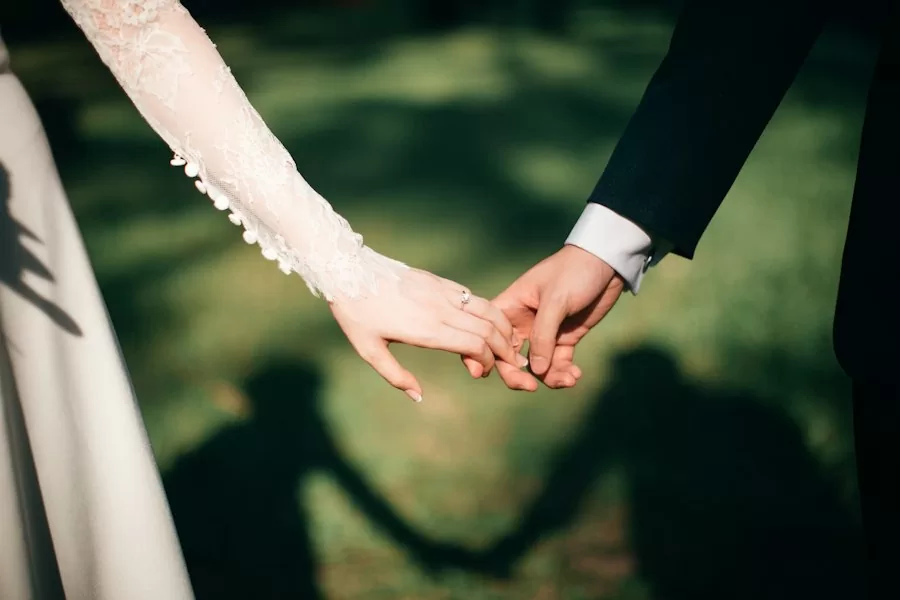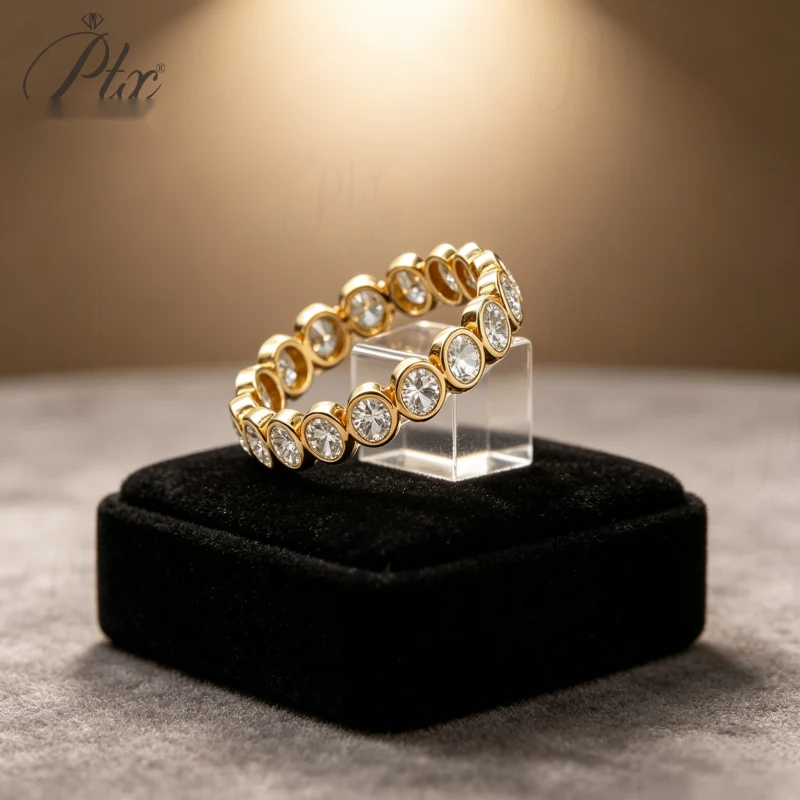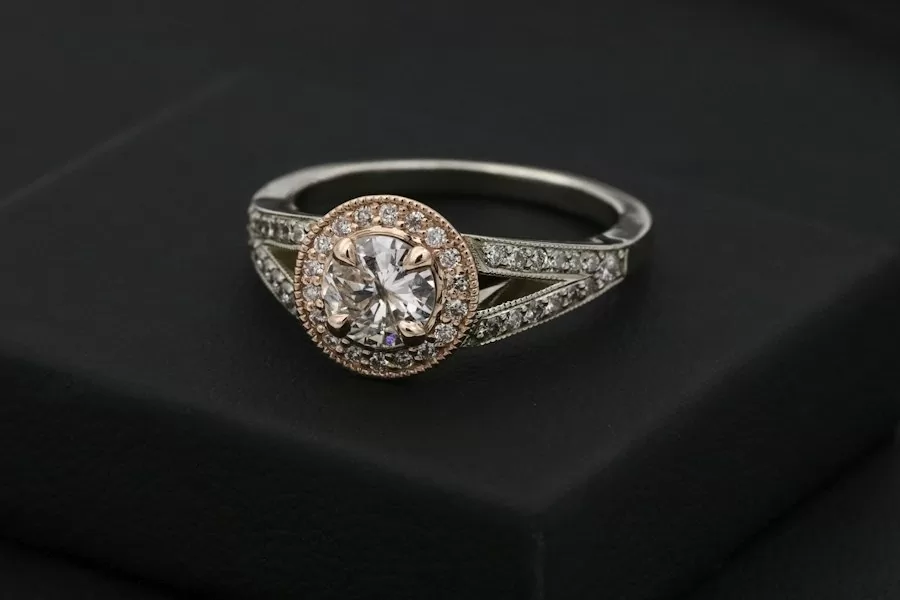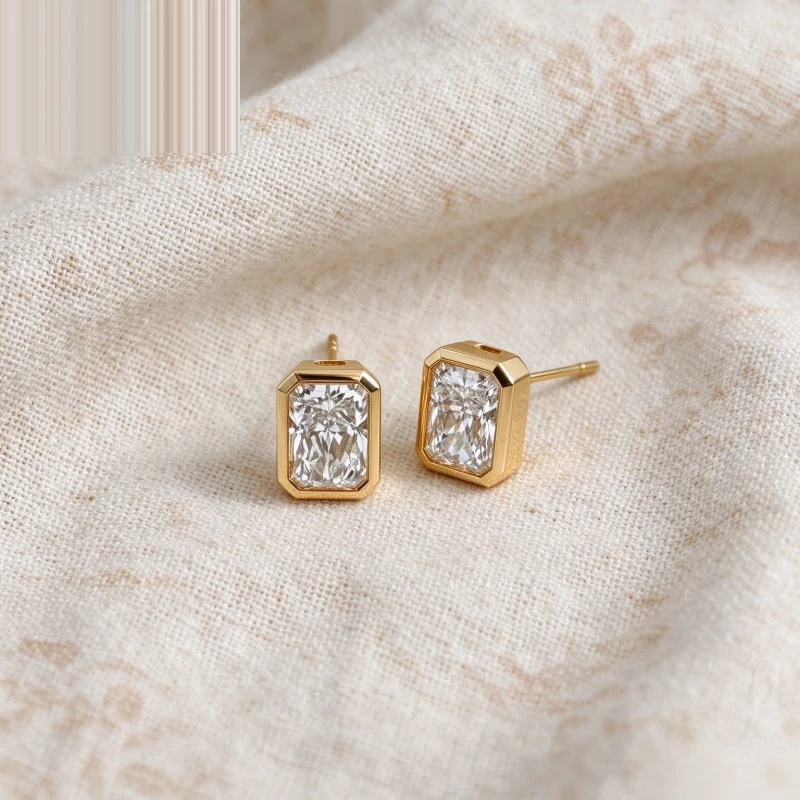
Most heirloom projects arrive in the atelier in pieces. A grandmother brings in a ring. A daughter picks it up five years later. A granddaughter redesigns it a decade after that. Each step makes sense on its own, but the pieces rarely coordinate; by the third generation, the family has three unrelated pieces of jewelry that happen to share a box. A growing number of clients are choosing a different approach: planning the whole arc in advance, so that a single family's jewelry is designed as a deliberate three-generation project rather than as a series of accidents.
The idea is simpler than it sounds. Instead of letting one piece pass down intact, the family decides together how the material will distribute itself across generations. A grandmother's engagement ring might become a daughter's pendant and a granddaughter's earrings, with the gold melted into a band that the daughter wears on a significant anniversary. Each generation receives a piece that is recognizably made from the same material, but sized and designed for their own life. The jewelry stops being a relic locked in a safe and becomes something each generation actually wears.
IWhy plan it now
The obvious reason is that people change their minds. A grandmother may assume her daughter wants the ring, when the daughter actually prefers something smaller. A granddaughter may love the diamonds but hate the setting. Sitting down together — even over a video call, since families are rarely in the same city — surfaces those preferences before the decision is locked in grief or inheritance. Planning in advance also means the grandmother gets to see the pieces in use, rather than hearing about them after she is gone. Clients tell us that part matters more than they expected.
From a craft perspective, planning ahead lets us do things we cannot do under time pressure. We can source matching stones to fill gaps in the original material. We can design settings that complement one another as a set. We can engrave dates and names that will not be known until later — a child's birth, a wedding date — by leaving small panels blank. The project becomes a long collaboration rather than a rushed redesign. For context, our guide to recreating an old family ring as new covers the single-generation version; the three-generation version simply widens the conversation.
IIWhat the pieces usually look like
There is no template, but a few patterns recur. The oldest generation often keeps or receives a piece that honors the original: a redesigned ring they can continue to wear. The middle generation gets a transitional piece, often a pendant or a pair of earrings, that uses the most significant stone. The youngest generation receives a piece designed for a life they are just entering — studs for a first job, a slim band for a graduation, a small pendant for a wedding. We often build the younger pieces in advance, hold them in the atelier safe, and release them on the relevant date. It is a quiet, long-running kind of gift.
IIIDocuments matter
A three-generation project should come with paperwork. Each piece gets its own small card noting the source ring, the date it was made, and the names of the people involved. The family receives a short binder — physical, not digital — with photographs of the original pieces before redesign, sketches of the new designs, and notes on the stones and metals. That binder is what the third generation will use to explain the jewelry to a fourth. Without it, the story fades within a decade. With it, the jewelry carries its own archive. We also recommend updating insurance and, where appropriate, an appraisal as we note in our guide to appraising bespoke jewelry.
We typically structure the project over months rather than weeks. The first appointment is a conversation with whoever can come — sometimes three generations around a table on a video call. We sketch possibilities. We measure and photograph the original pieces. Then we build the first phase, usually the piece that the oldest generation will keep or wear, and deliver it. The second phase comes a few months later, timed to a birthday or anniversary. The third phase is often built and held, waiting for a date that has not happened yet. The atelier becomes, in effect, a kind of safe-deposit box with a workshop attached.
This slow pace is deliberate. Families make better decisions when they are not rushed by a funeral or a deadline. Clients who have done this tell us that the process itself became a way of talking about the family — about who wore what, about which stories were true, about which stones really came from where. The jewelry is the artifact, but the project is the conversation. By the time the pieces are finished, the family has already given itself something the original ring never could: a shared version of its own history.
The point of a three-generation project is not to freeze time. It is to make sure the material lives. A ring locked in a safe for fifty years is just metal. The same metal, worn by three women in three different decades, is a family story you can hold.
The history and conventions of engagement rings are outlined in the Wikipedia entry on engagement rings.
IVFrequently Asked Questions
How do I verify a factory before placing a bulk order?
Request a production video, business license, export records and a paid sample run. A factory that accepts a 50-piece test order is usually a real manufacturer.
What payment terms do you offer?
Payment terms, including the deposit and balance schedule, are set out in the order agreement. This protects both sides on first orders and can move to net terms after a track record.
What is your normal reject rate?
3–5% under 10x loupe inspection for cast and set pieces. Defective units are replaced free in the next shipment.
Where is the factory located?
Wuzhou, Guangxi, China—the core lab-grown and moissanite manufacturing cluster. Shipments go via Guangzhou or Shenzhen ports.