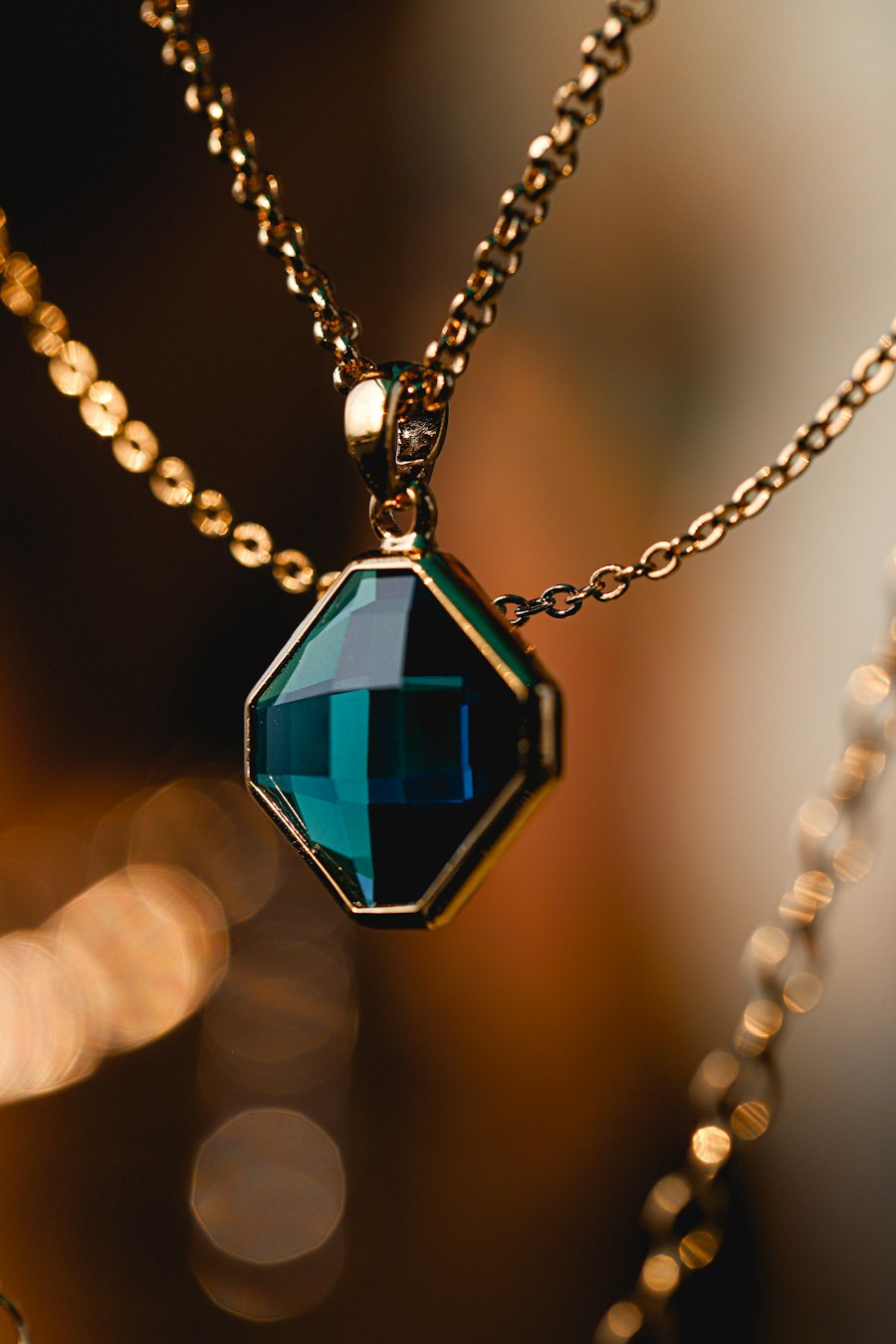
The people who come to us asking for a sobriety anniversary piece almost never want to talk about it in public. They sit down and describe, carefully, a date they want remembered, or a number of years they have reached. They are not asking for a medal. They are asking for something they can touch, something they can feel against their skin on hard days, that carries a fact only they fully understand. That is a very specific kind of commission, and we treat it that way.
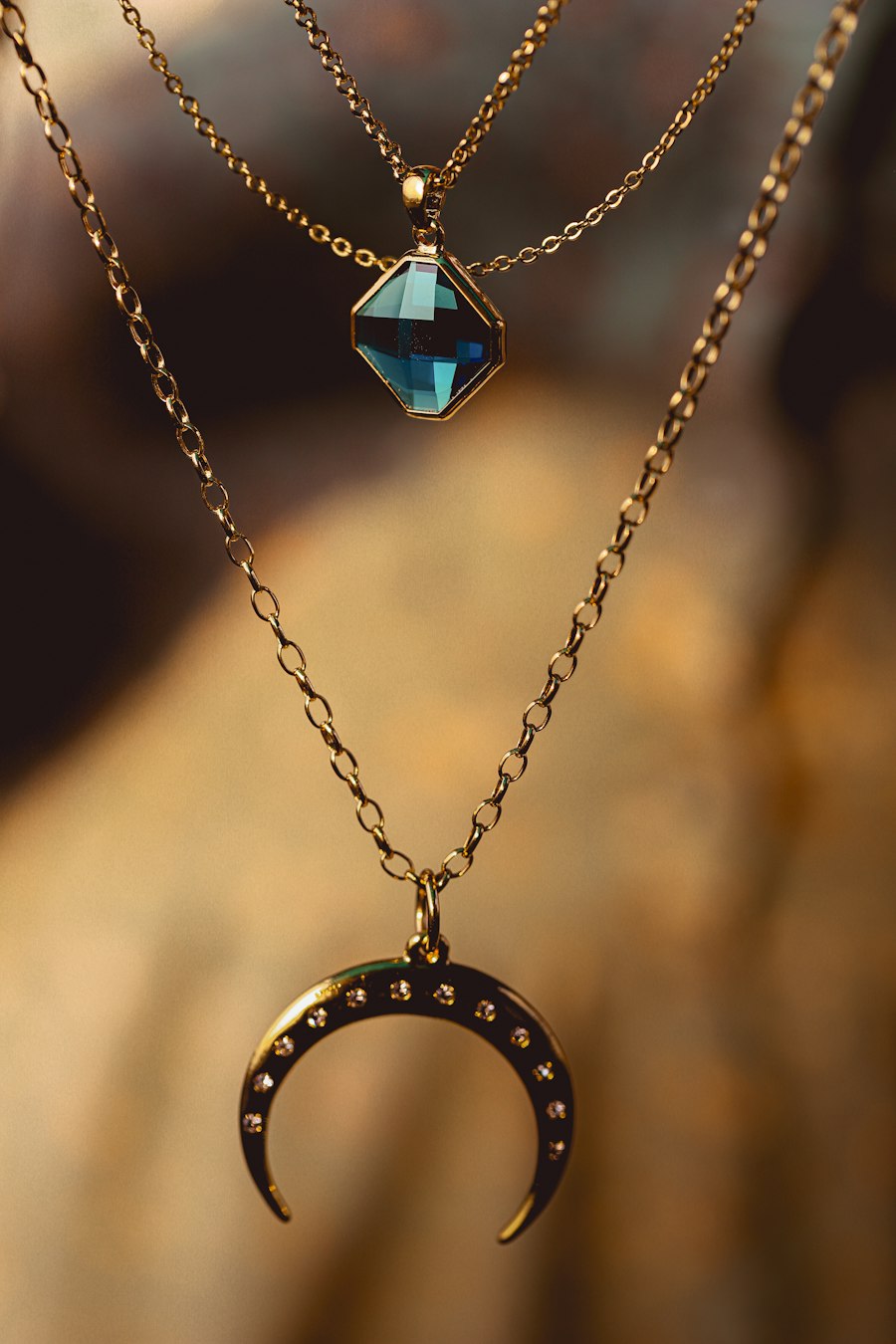
The design brief is almost always the same: understated. A ring on a hand people shake and look at, a pendant that sits under a shirt, a bracelet that lives on the inner wrist. The piece should read as beautiful jewelry to anyone who glances at it, and as a personal monument to the person wearing it. Nobody else needs to know what the engraving says.
The ring that hides its own story
The most common commission is a simple band, in platinum or 14k gold, with the date of sobriety engraved on the inside. Outwardly it is just a ring. Inwardly it carries the arithmetic of years: the date, the time, sometimes the latitude and longitude of the room where a turning point happened. When the wearer turns the ring slightly on the finger during a stressful meeting, they can feel that engraving against the inside of the finger. It is a private tactile reminder.
We usually recommend a brushed or matte finish rather than a high polish for these bands. Polished jewelry announces itself. Brushed jewelry sits there quietly, picks up fewer scratches, and ages with the wearer rather than against them. For the broader conversation on finishes, see our breakdown of matte, polished, or brush finishes.
Symbols worth including (and symbols to avoid)
Some clients want a literal symbol: a roman numeral, a phoenix, a date. Others want something less direct — a mountain range, a single leaf, a wave. We are careful with generic recovery iconography, because it can read to an outsider as a reference the wearer may not want to explain at a dinner party. The strongest pieces usually use the wearer's own private symbols rather than public ones.
Engraving options range from short dates to longer phrases, but longer engravings on the inside of a band are hard to read and wear off faster. The sweet spot is six to twelve characters on an inner band. If the message is longer, put it on the back of a pendant or a disc, where the surface is flat and the engraving can be deep. Our notes on engraving ideas for wedding rings apply here as well — the same craft rules govern any small surface inscription.
Pendants, bracelets, and the inner wrist
A pendant on a long chain that tucks inside a collar is a beautiful alternative for people who do not wear rings. The front of the pendant can be a plain disc; the back carries the date. Bracelets work similarly, with the engraving on the inner curve of the band, against the wrist bone. The wearer feels it. The world does not.
This is also a piece that often marks more than one milestone. A client may come in at year one, then return at year five to add a small stone or widen the band. We are happy to design for that future, and to leave room in the original piece for the additions.
Gifting someone else's sobriety anniversary
If you are commissioning this for a partner, a sibling, or a friend, ask them first what level of visibility they want. Some people love a piece that signals meaning to people who ask. Others prefer a piece that never announces itself. Our guide to hidden details and secret symbolism inside a ring is a useful reference for that second group. When in doubt, default to discreet. You can always add a stone later; you cannot un-engrave a public message.
What the piece actually does
We do not pretend jewelry changes anyone's life. But we have heard enough clients describe, years later, how a ring felt on a hard Tuesday afternoon, how it gave them something to do with their hands in a moment of craving, how it made the arithmetic of years physical. That is the function of the piece. It is not a celebration of a past victory. It is a small, steady object for the road still ahead.
If the wearer cannot tolerate rings at all — a job that involves gloves, chemicals, or frequent handwashing — a thin bracelet on the inner wrist works the same way. The engraving lives against the pulse, where nobody reads it. A cuff that opens and closes is easier to remove for industrial work than a ring, and it can be polished back to fresh if the daily grind wears the surface. The principle is identical: the meaning is private, the object is durable, and the piece asks nothing of the world around it.