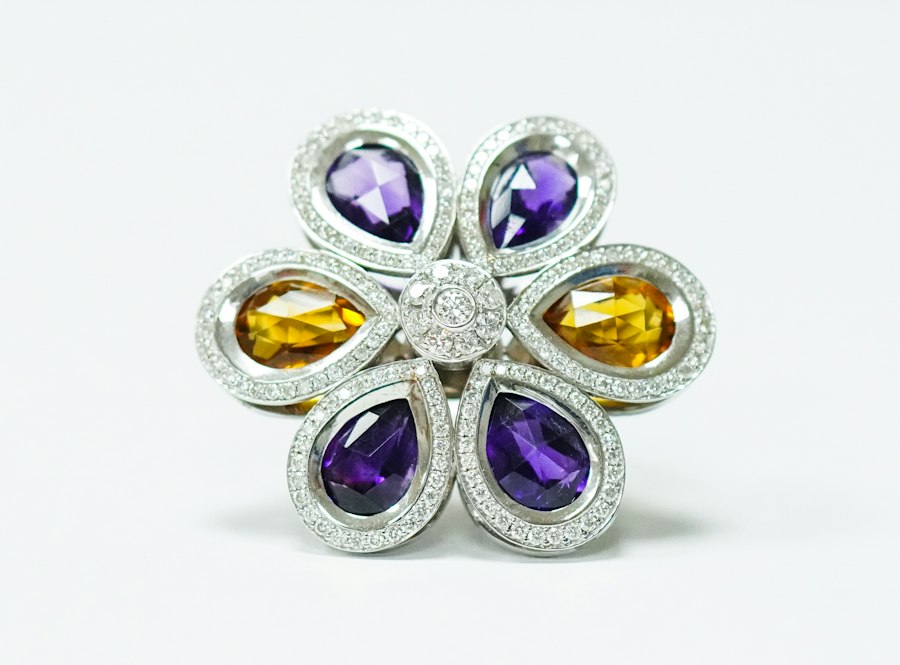
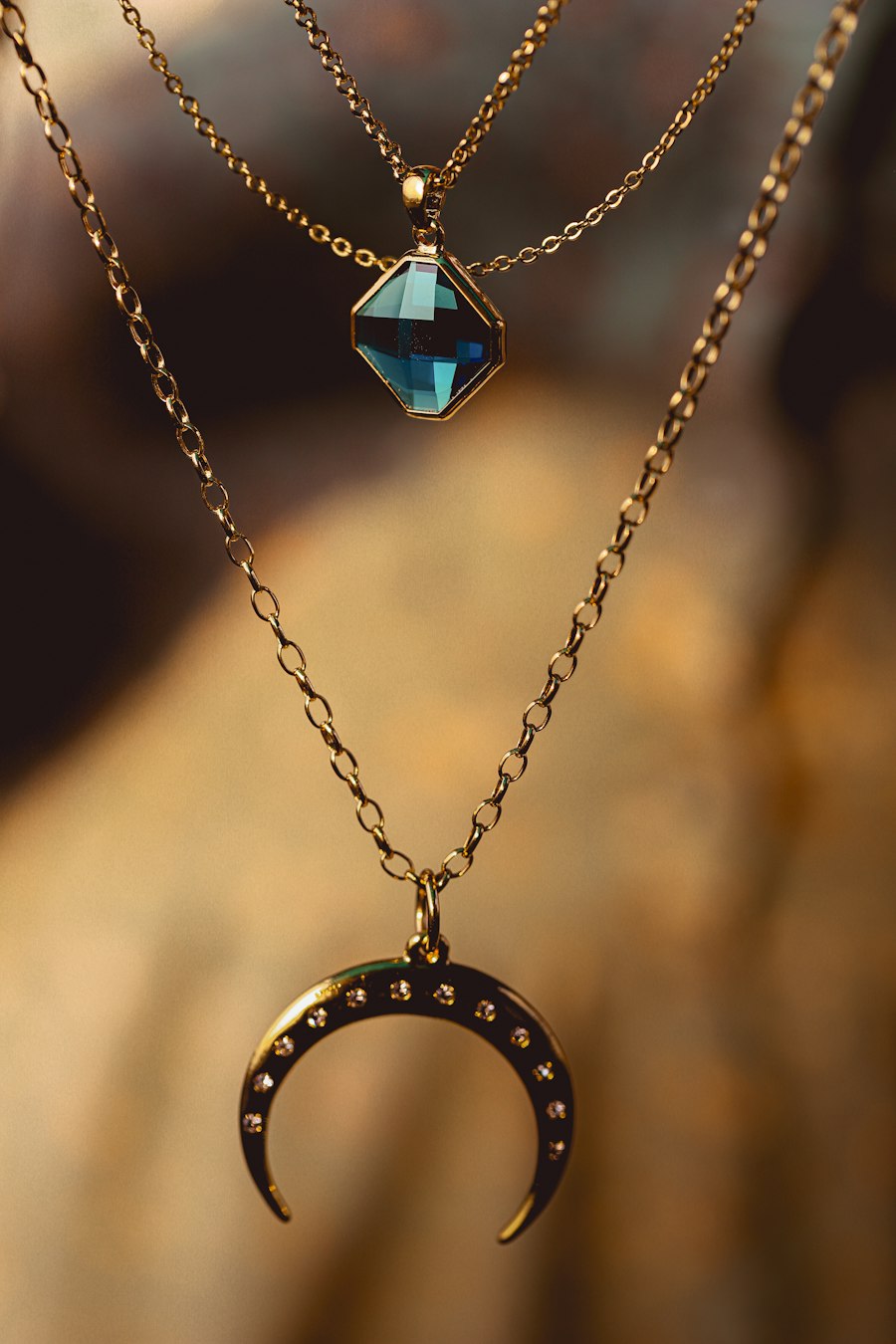
A decade ago, most people walking into a bespoke atelier were buying for someone else. A man planning a proposal. A husband shopping for an anniversary. A child arranging a surprise for a parent. Today, a large and growing share of clients are simply buying for themselves. They want a ring, a pendant or a pair of earrings that reflects their own taste, on their own timeline, and they are not waiting for anyone to give it to them.
It is, quietly, one of the best shifts in fine jewelry. Self-purchased pieces tend to be worn harder, loved longer, and designed with a clarity that gift commissions rarely match.
Why self-purchase works so well
When you buy for yourself, you are the only audience. No decoding a partner's taste, no guessing a ring size from a drawer, no hoping the style matches a wardrobe you have never seen. You know your own hand, your own lifestyle, your own budget in real time. The result is a piece that actually fits, in every sense. We see it again and again: the most-worn rings in the studio are the ones women designed for themselves at thirty-five.
What people commission for themselves
The right-hand ring is the classic self-purchase, and it deserves its own moment, but it is only the beginning. Clients come in for stackable bands in their favorite metal, for earrings they will wear daily, for a pendant that references a career milestone, for a redesign of inherited pieces into something they will actually put on. There is no genre requirement. The piece simply has to answer to you.
Setting your own budget, without the rules
The old rule about spending three months' salary was a marketing invention, and it applies least of all when you are buying for yourself. You get to decide what the piece is worth to your life. Some clients save for a year for a single meaningful ring. Others prefer several smaller pieces that add up. Both are legitimate. The useful framing is not what you should spend but what you will still be happy with in a decade. Our broader notes on budgeting for a custom ring translate well, minus the pressure of a proposal timeline.
Designing for your own lifestyle
This is where self-commission gets specific. Do you work at a keyboard? A high, sharp setting will catch on your desk. Do you travel for work? A lower, more durable profile makes daily life easier. Do you wear one watch, three blouses and a uniform of neutrals? The piece should live in that world, not in a lookbook. Bring the clothes you actually wear to the consultation, not the ones you wish you wore. The right design becomes obvious in five minutes.
Choosing meaning that is yours
Without a partner to reference, the symbolism is entirely self-directed. That is a gift. It can be a birthstone for your own month, a stone that references a place you love, an engraving of a line that kept you going, or a shape that echoes your architecture or your handwriting. We have built rings around favorite buildings, around constellations, around the coordinates of a city someone left. These details cost little at the design stage and make the piece unmistakably yours.
Why bespoke beats retail for a self-purchase
When you are buying for yourself, the argument for bespoke gets stronger rather than weaker. You know exactly what you want, which means you are the client least likely to compromise on a near-miss from a display case. You also have no one to please but yourself, so the design can be as quiet or as bold as your real taste. A retail ring is built to be liked by a crowd; a bespoke one is built to be loved by one person. That difference shows within a year of daily wear. If the price question is the sticking point, our breakdown of bespoke vs ready-to-wear is honest about where the extra money goes.
The investment case
A bespoke piece is not a financial investment in the resale sense. It is an investment in daily pleasure. You will wear the object roughly five thousand hours a year. Measured against that, a well-made ring that makes you glad to look at your hand on a Tuesday morning is one of the more efficient purchases a person can make. That is the argument we make to ourselves, and the one we make to clients.
There is no right moment
The best reason to commission something for yourself is that you want it. No promotion, no birthday, no anniversary required. If you have been circling a design in your saved images for two years, that is enough. The piece will not wait for permission. Neither should you. Wear it the way you would wear anything you earned: without explaining it to anyone.