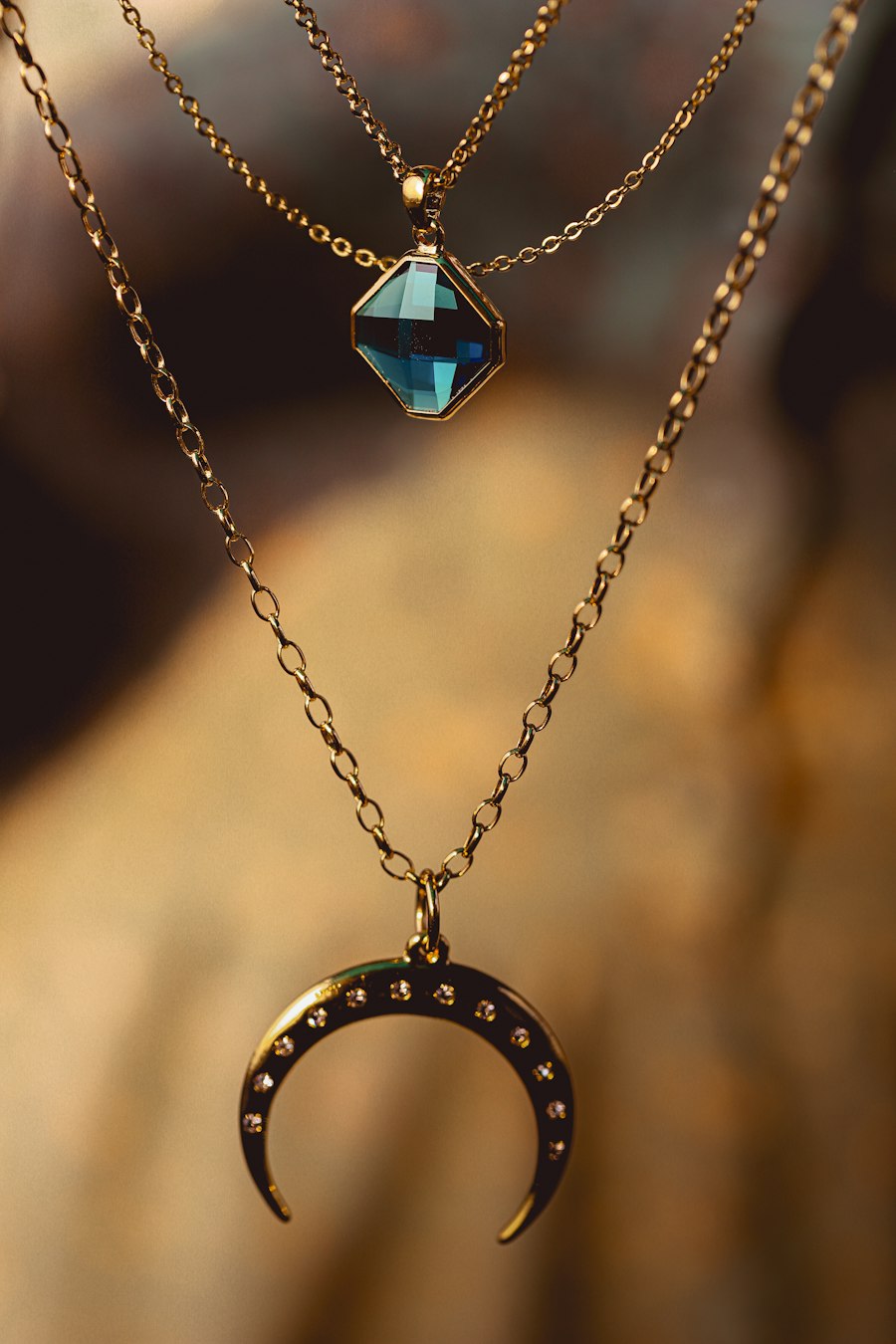
Some of the most meaningful commissions we take in are the ones no one advertises. A client arrives with a ring they have not worn in years, and the question is not "can you fix this?" but "what should this become?" The piece might be an engagement ring, a wedding band, or a set of both. The conversation is less about jewelry than about deciding what to carry forward and what to let go of.
First, the emotional triage
There is no single correct response. Some people want the stones out of that setting and into something that feels unarguably theirs. Others prefer to keep the band exactly as it is, unworn, because its history is not something they want to erase. Neither is weak. The only wrong move is letting a meaningful asset—a diamond, a sapphire, a heavy gold band—molder in a drawer while you avoid the decision.
If you are unsure, a useful trick is to separate the stone from the story. The diamond is a piece of crystallized carbon; it has no memory of the relationship. The setting, by contrast, is loaded with meaning. Most clients find they are happy to keep the stone but eager to redesign or melt the mount. That instinct points the whole commission.
The directions the metal can go
A center diamond or sapphire resets beautifully. The most common outcomes are a pendant that sits close to the collarbone, a simple solitaire ring worn on whichever finger feels right, or a pair of stud earrings split from smaller side stones. The original band's gold does not have to be wasted: it can be refined and re-alloyed into the new setting, so the new piece literally contains the old metal. We explain that process in what happens to your old gold, but the short version is that nothing sentimental need be thrown away unless you choose it.
What this kind of commission is not
It is not a revenge piece, and it is not a costume of independence. The clients who are happiest with the result treat it as quiet: a clean, well-made object they chose for themselves, with stones they already loved. They often remove the internal engraving, resize to their current finger, and pick a setting they would have chosen if they had been shopping for themselves all along. The result feels less like a breakup project and more like a small act of self-authorship.
Practical notes
Selling versus resetting
Some people ask whether it is better to sell the ring and start fresh. Usually, resetting wins. A diamond sold on the secondhand market returns a fraction of what it cost originally—retail markup is lost the day you leave the store. Reset the same stone into a piece you love and the whole emotional and financial investment stays in play. The exception is when the stone itself holds no positive association for you, or when selling it would fund a piece you would never otherwise afford. Either way, the decision is yours, and a reputable jeweller can explain both paths without pushing you toward the one that earns them more work.
Keeping the commission private
This kind of redesign is often deeply personal, and there is no reason to discuss it with anyone beyond the workshop. A good atelier treats the piece and its history with discretion—no questions you do not want to answer, no assumptions. Many clients keep the reset stone on a hand or in a pendant where only they know its origin. That is exactly as it should be: the object carries your new story now, and the old one stays private if you want it to.
What to bring to the conversation
Bring the piece itself, of course—but also bring anything that shows the direction you want to move toward. A pendant you already wear every day. A necklace chain whose length suits you. A ring on a different hand whose setting you admire. Those references help the jeweller understand the new piece as an object in your current life rather than as a reaction to the old one. If you are unsure whether you want to keep the stone, the setting, or nothing at all, that is a fine place to start the conversation too. Good ateliers have this talk often, and there is no "wrong" answer to deliver.
Take your time. There is no deadline on a ring in a drawer. When you are ready, bring the piece in and ask about the stones' condition—prongs loosen over years, and a stone that has been sitting unworn still deserves a clean inspection before resetting. If the original band carries engraving you want to keep, ask whether it can be preserved on the interior of the new piece. Often it can, and that detail matters more than you expect.