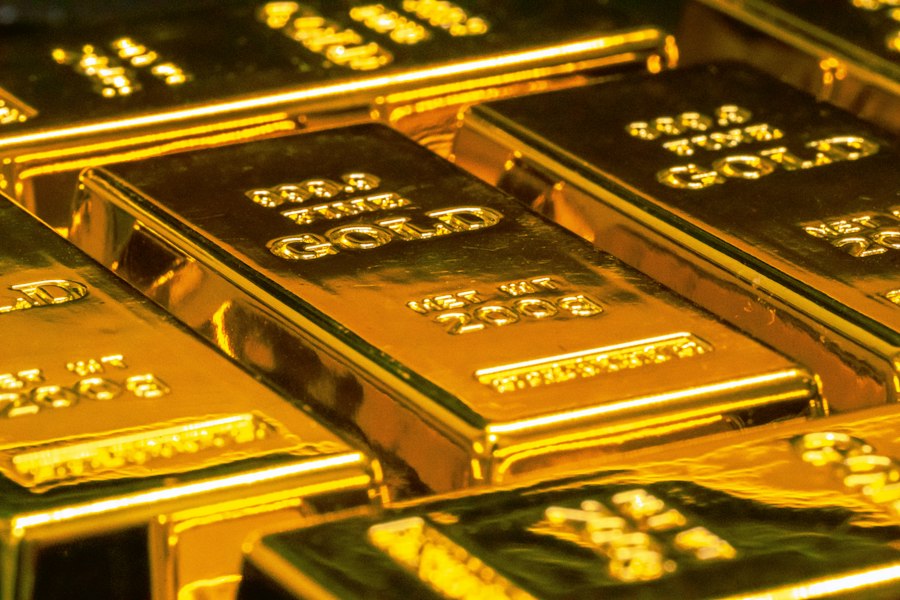
When clients bring in an old family ring for redesign, they almost always ask the same question early on: will the gold actually become the new ring? The romantic version of the story is that the same metal that sat on someone else's finger for fifty years is reformed into the new piece. The technical version is more nuanced, and the honest answer is that it depends on what the old ring is made of and what the new design needs.
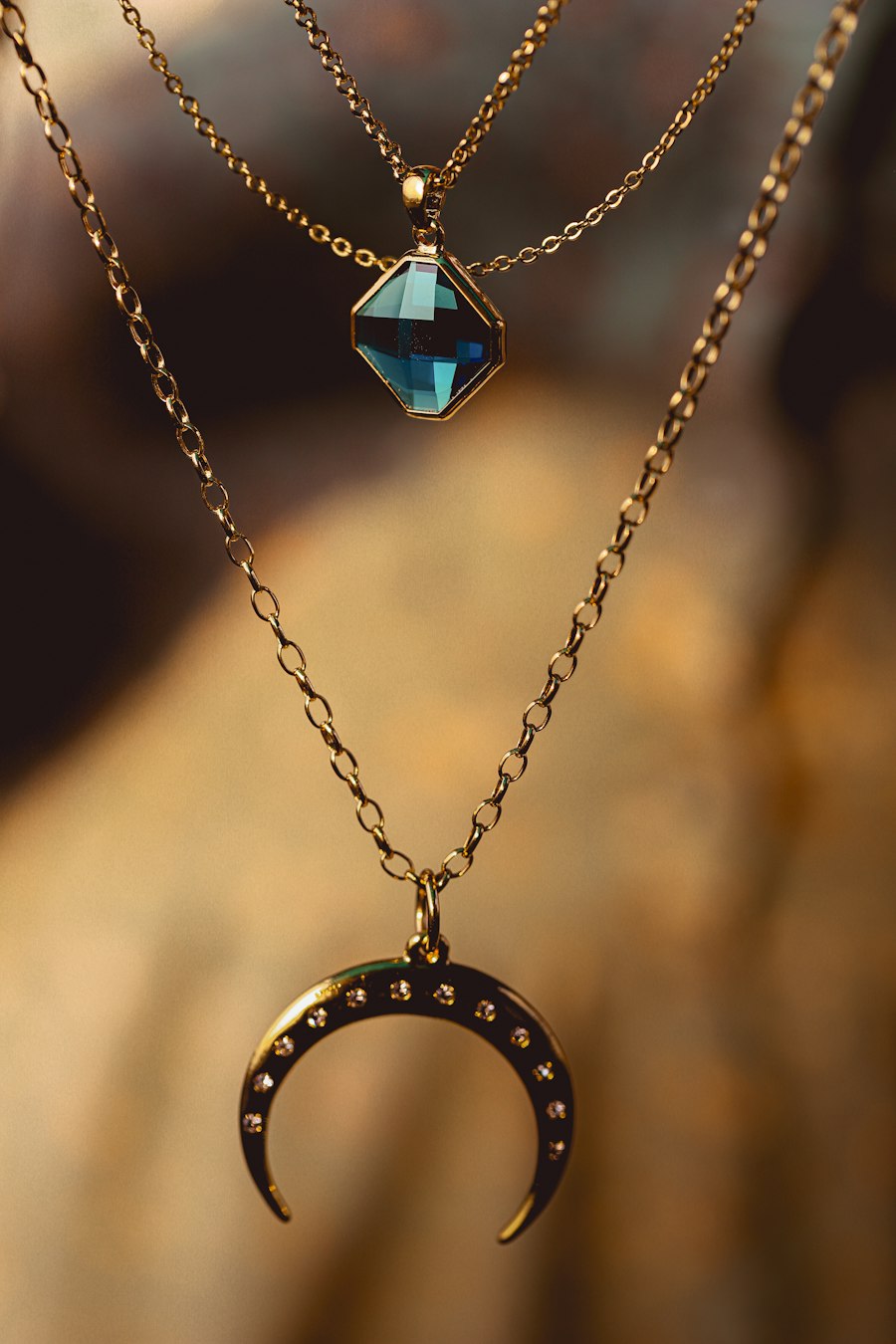
Why your old ring is not pure gold
Few old rings are solid 24k gold. Most modern pieces are 14k or 18k, meaning the gold is alloyed with other metals such as copper, silver, or palladium to add hardness and adjust color. Older pieces may be 10k, 9k, or marked with regional standards you do not recognize. Before any redesign, a competent atelier will test the metal with XRF or by fire assay. You want to know what you are actually working with, because melting a 10k ring and calling it 14k gold is simply wrong.
That old ring also carries a hidden history: solders, repairs, and settings that were added over decades. Those joints contain different alloys. Melting the whole ring without isolating those parts introduces impurities into the new batch.
Three paths the metal can take
Direct reuse. If the old piece is a known alloy, in clean condition, and the new design uses the same karat and color, the atelier may melt the gold, refine it in-house, and roll it into sheet or wire for the new band. This is the path clients hope for, and it is genuinely possible for simple redesigns such as converting a ring into a pendant or a plain wedding band.
Realloying. More often, the old gold is combined with measured amounts of fine gold and alloying metals to bring it to the karat and color you want for the new piece. Your old gold is still in the ring, but it is part of a controlled batch rather than the whole thing. This is normal and honest, and a good workshop will tell you the percentage that came from your original piece.
Refining off-site. Heavily repaired, unknown, or low-karat pieces are best sent to a refinery. The refinery burns out impurities and returns pure gold, which is then alloyed fresh. This path takes longer and costs a small fee, but it avoids building a new ring on metal you cannot fully trust.
What happens to the stones
Metal reuse is the easy half. The stones are the part that usually drives the redesign. Before melting anything, the atelier removes the existing stones, inspects them under magnification, and sets them aside in labeled envelopes. A diamond can usually be reset into a new setting. Colored stones that have been recut in the past, or that carry treatment, may not survive a second pressure setting. The honest call on this comes before the torch is lit, not after.
The emotional value question
Clients sometimes worry that melting the original ring destroys the connection. In practice, the opposite often happens. A new band made from the same gold, set with the same stone, is a more wearable carrier of that history than an old piece stuck in a drawer. The goal of redesign is not to preserve the old ring as it was. It is to carry its material and its stone into a form you will actually use for the next fifty years.
Timing and what to expect
A redesign that reuses existing gold usually takes a little longer than a commission from scratch, because the metal has to be tested, cleaned, and realloyed before any bench work begins. Expect the inspection and metal-sampling step to add a week or two. The payoff is that the new ring arrives with a material history you can describe: this band carries the gold your grandmother wore, this setting holds the stone she chose. That story is worth more than the small delay, and it is the reason most clients who walk this path end up preferring the result to a brand-new commission.
What to ask before you commit
Ask the atelier three things up front. What karat and alloy is my existing piece, and how will you confirm it? What percentage of the new ring will come from my old metal, and what will be added? And will any part of the old ring be set aside or refined rather than melted directly? The answers you get tell you whether the workshop treats reuse as a technical step or as a marketing line.
If you are weighing this against keeping the original intact, read our piece on redesigning a family heirloom into an engagement ring, and compare the trade-offs in when a worn engagement ring is worth redesigning.