A diamond is the hardest natural substance we know. A moissanite is nearly as tough. Most of the care guidance online is written for stones like these, and it works—until you own an opal, an emerald, a pearl, or a turquoise. Those stones live by different rules, and treating them like a diamond ring is how they get ruined. If your bespoke piece features a softer center, a few small habits will protect it for life.
Know your stone's hardness—and its type
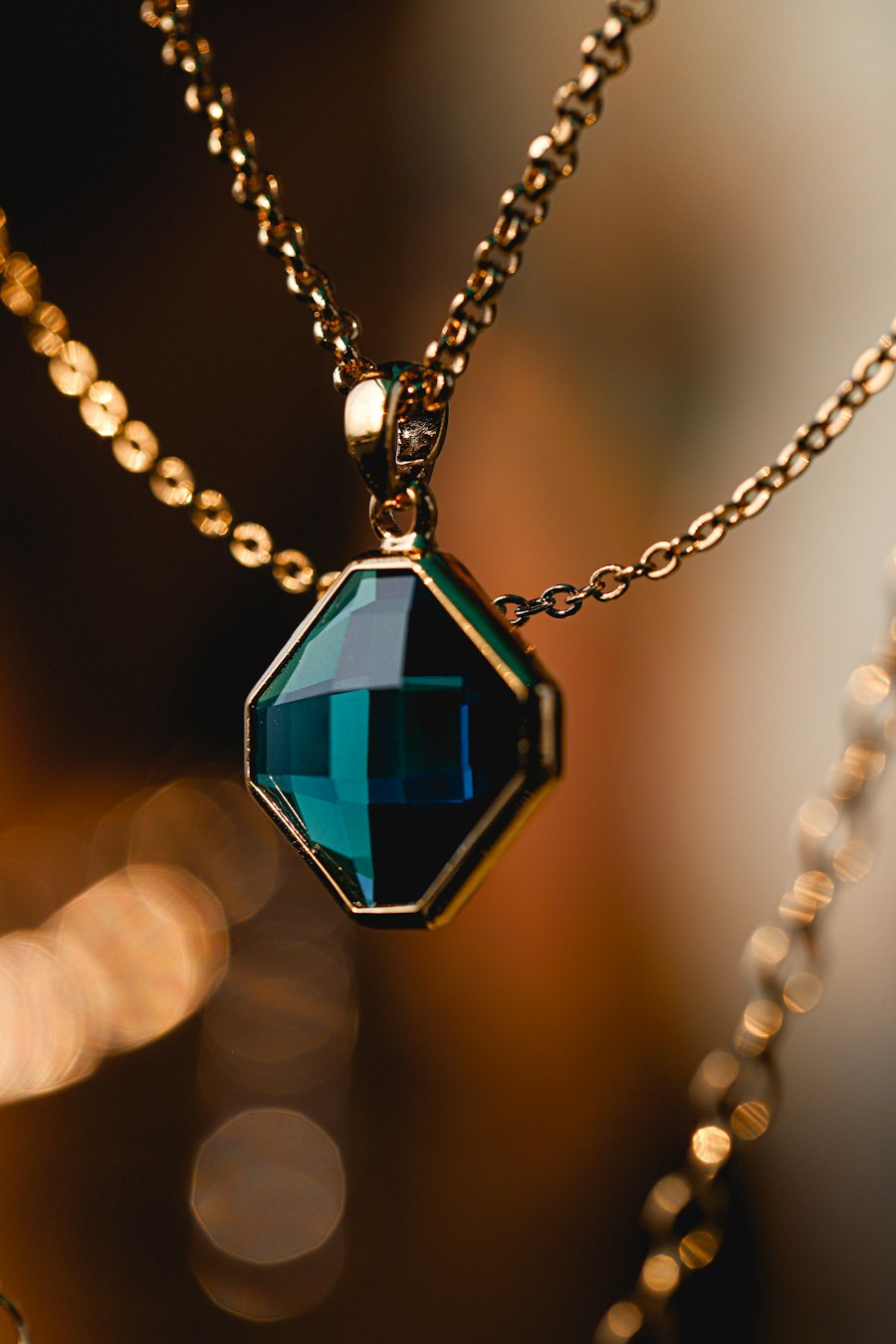
Gemstones have two different traits people conflate. Hardness (resistance to scratches) is measured on the Mohs scale. Toughness (resistance to chipping and breaking) is a separate thing. An opal is relatively soft and also delicate to impact. An emerald is hard enough to resist scratches, but its natural internal fractures mean it can chip or split if knocked. A pearl is organic, soft, and dissolved by acids. Knowing which weakness your stone has decides how you treat it.
If you are still choosing a stone, compare the daily-wear realities of colored gems before committing—some simply want a gentler life than others.
The three things soft stones hate
Chemicals are the biggest quiet threat. Perfume, hairspray, chlorine, and household cleaners can eth an opal, cloud a pearl, or creep into an emerald's fractures. Put jewelry on after you are dressed, sprayed, and made up. The rule about protecting your ring from perfume and hand wash applies with extra force here, because soft stones feel the chemistry even more sharply. Heat and dryness can crack an opal or dull a pearl over time. Ultrasonic cleaners are off-limits for nearly every soft, included, or organic stone—the vibration can shake an emerald apart.
How to clean them the right way
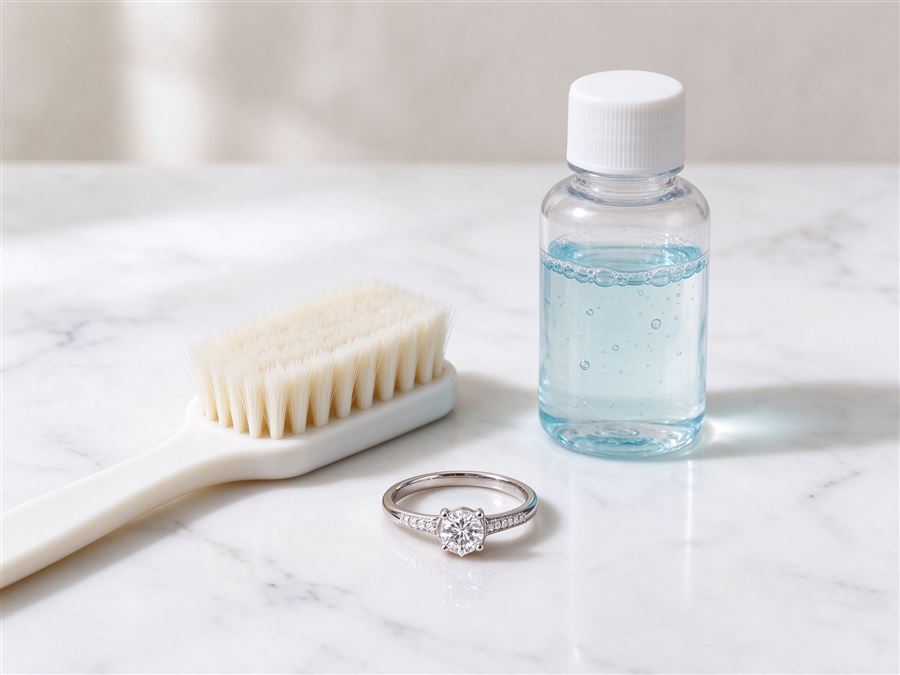
The safe method is the gentle one: warm water, a drop of mild dish soap, and a very soft brush—a baby toothbrush works well. Rinse under lukewarm water and pat dry with a lint-free cloth. For pearls, wipe with a damp cloth after wearing, because the oils and acids in your skin are part of what keeps a pearl string healthy over the years. Skip steamers, skip ultrasonics, skip toothpaste, and skip any jewelry dip marketed as a one-step brightener—it will strip more than it shines on a soft stone.
Wear them with intention
This is not fear-mongering; it is practical. An opal ring does not belong on the hand that lifts weights or washes dishes. An emerald is happier as a pendant or earrings than as a daily-contact ring, where it meets doorframes and countertops. If you love a soft stone as an engagement ring, we often design it in a protected bezel or halo setting that shields the stone's edge—our guide to ring setting types covers which settings cushion fragile stones best.
Storage and pearls especially
Store soft stones apart from harder ones, because a diamond tossing against an opal in a box will scratch it. A soft pouch or a separate compartment is enough. Pearls deserve a breath—they should not live sealed in plastic, and the string should be restrung every few years as it wears. If you want the fuller routine, our home cleaning and care guide lays out the weekly and monthly habits.
Two more habits quietly protect soft stones. Take them off before you sleep—you would not believe how much pressure a hand takes overnight against a pillow, and a soft stone on the underside is exactly what gets crushed. And take them off before a long flight or a day at the beach, where dry cabin air and sudden temperature changes can dry out an opal or cloud a pearl. None of this is fear—it is just recognizing that some stones want a gentler life, and treating them accordingly.
Which soft stones suit daily wear at all
Not every colored stone wants to be a daily ring. Opal, pearl, and turquoise reward gentle, occasional wear and are happiest as pendants or earrings. Emerald can be a daily ring if it is set in a protective bezel and you accept that it is a piece you remove before rough work. Sapphire and ruby, by contrast, are nearly as hard as diamond and tolerate a far rougher life—if you love color but want a set-it-and-forget-it stone, they are the pragmatic choice. Choose a stone whose temperament matches your real routine, not just its color.
When to see a professional
If an opal crazes (fine web-like cracks), an emerald's finish dulls, or a pearl's surface becomes chalky, do not try to fix it at home. A jeweler can sometimes refresh a pearl, re-oil an emerald, or stabilize an opal—but only if caught early. Bring soft stones in for a professional check-up rather than waiting for obvious damage. Treated and fragile stones are exactly the pieces that reward regular, gentle attention—and punish the "it's fine" approach that harder stones can survive.