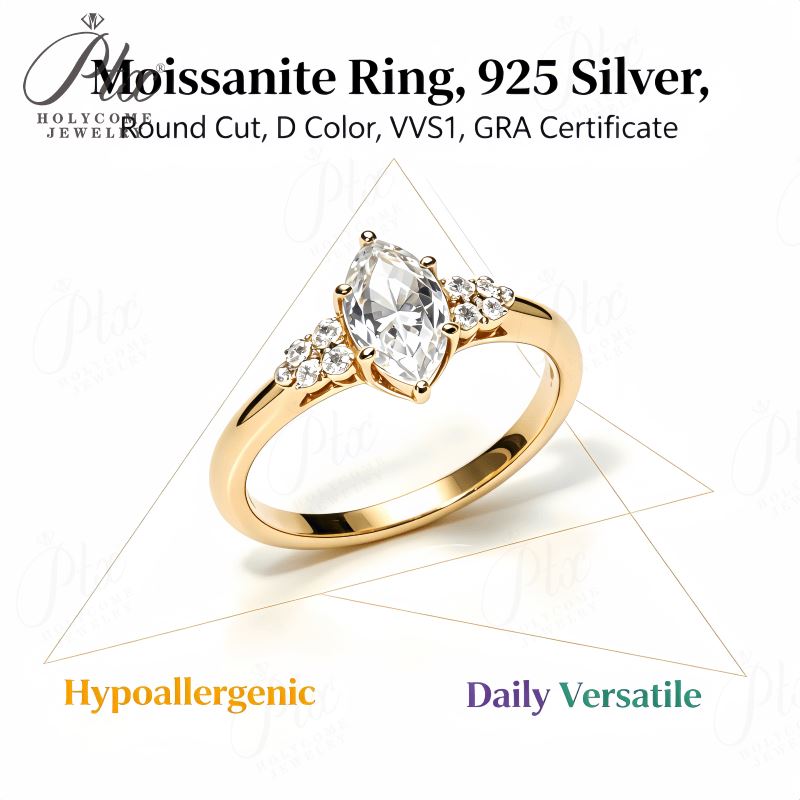
You insure your phone, your laptop, and sometimes your travel. Then you wear a five-thousand-dollar ring on a hand that washes dishes, opens cans, and disappears into a hotel sink at the worst possible moment. Insurance for a bespoke ring is the boring step that saves the day, and it is also the step people skip until they need it. The good news is that it is cheap and quick once you have the right paper.
Why a bespoke ring needs its own coverage
A standard renters or homeowners policy covers jewelry only up to a small sub-limit—often $1,000–$2,000—and usually only for theft, not loss. A bespoke engagement ring is both more valuable and easier to lose than a thief would make it. The fix is a scheduled personal property rider, often called a jewelry floater, that lists the ring by description and value. It typically costs 1–2% of the ring's value per year—so a $5,000 ring runs $50–$100 a year. It covers loss, theft, and often damage, depending on the policy.
The appraisal is the whole game
The insurer will ask for a written appraisal from a qualified gemologist, and the appraisal has to describe what you actually own. For a bespoke ring that means:
- The center stone: shape, carat, cut, color, clarity, and certificate number.
- The metal: alloy and weight, e.g. 14K yellow gold.
- The setting style and any accent stones, listed separately.
- The replacement value, stated in today's dollars.
A common mistake is insuring the ring for what you paid. Replacement value is often higher, because retail prices move and a one-off setting cannot simply be reordered. Ask the atelier for a current replacement appraisal at delivery, and refresh it every three to five years—stone prices and gold prices move.
| Coverage type | Typical limit | Covers loss? | Annual cost |
|---|---|---|---|
| Standard renters sub-limit | $1,000–$2,000 | Theft only | Included |
| Scheduled rider (floater) | Full appraised value | Often yes | 1–2% of value |
| Standalone jewelry insurer | Full value | Usually yes | 1–1.5% |
Keep the paper together
Photograph the ring, keep the stone certificate and the appraisal together, and store digital copies somewhere besides your phone. If the ring is lost, the insurer will want the certificate to match a replacement. A bespoke setting is harder to replace than a catalog ring, so the appraisal should note the design—a good jeweller can rebuild it from a description and photos. And tell the insurer if you travel internationally often; some policies have territorial limits.
What to do the day it happens
If the ring slips off in a hotel sink or a beach, the minutes matter. Tell the insurer promptly, because most policies have a reporting window. Have the appraisal and certificate ready so the claim describes a specific stone rather than a vague “diamond ring.” Because a bespoke setting cannot simply be reordered, ask whether the policy covers a like-for-like remake—most will, using your CAD file and photos, which is another reason to keep those records. File a police report if it was theft; insurers often require it. A good rider will often replace the ring quickly rather than arguing about value, which is the whole point of scheduling it in the first place.
Refresh the appraisal, and watch the fine print
Diamond and gold prices move, so an appraisal written five years ago under-values a ring today. Refresh it every three to five years—a fresh appraisal costs little and keeps the payout matching reality. Also read the policy's fine print on exclusions. Some riders exclude loss during high-risk activities, or cap coverage for unset stones, or require a police report for theft abroad. If you travel often, ask specifically whether international loss is covered. The cheapest rider is not the best rider if it voids the claim in the exact situation you worry about. Twenty minutes reading the wording is worth more than ten dollars a month in premium.
If you are about to take delivery of a custom ring, our custom process guides list what the appraisal should contain. Insurance is not romantic. It is the reason a dropped ring in a foreign hotel becomes a story rather than a financial blow. Schedule it within a week of delivery, file the paper, and wear the ring without a second thought. At one to two percent of value a year, the cost of a well-scheduled ring is less than most phone insurance, and the payout it protects is an object that cannot simply be reordered. Keep the appraisal current, photograph the ring, and schedule the rider the same week you pick it up. Insurance is the boring step that turns a lost ring into a replaced one, and it costs less than a dinner out each year. Do the paperwork the day the ring arrives home.