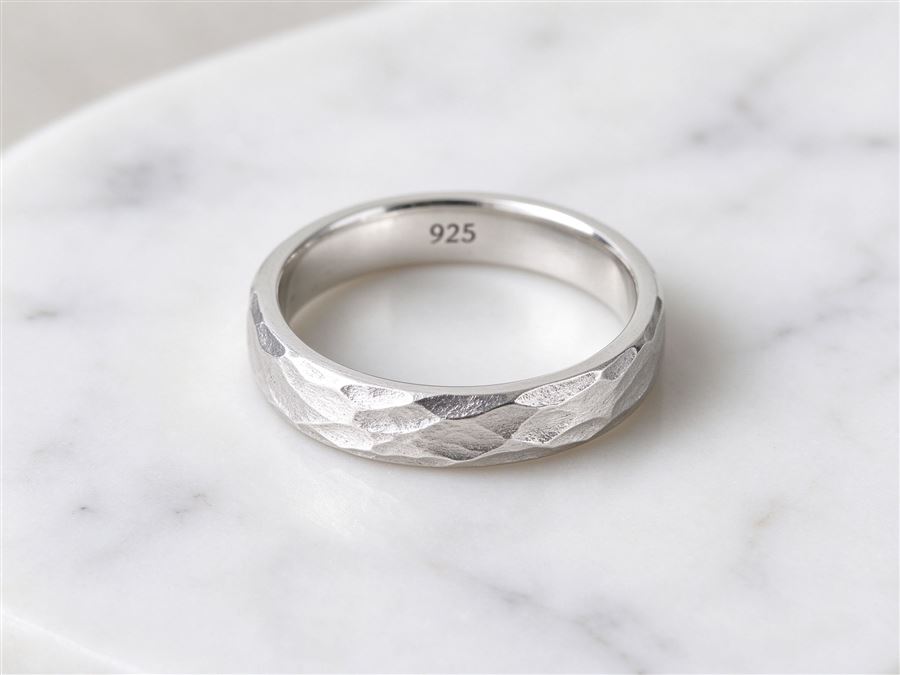
When you commission a ring and are told it will take eight weeks, the wait feels passive. You approved the design, sent the money, and now you sit. Behind the scenes, though, the studio is running a small production line—some steps on our bench, some at an outside caster—and the weeks are not equally full. Understanding what happens each week explains why the timeline is what it is, and why one “quick question” can cost you a week you did not plan to lose.
Weeks one and two: design and sourcing
The first week is your consultation and our sketch. The second week is the CAD model, and in parallel we source the center stone. Sourcing is the sleeper: a well-matched diamond can take days to find, and grading and shipping add another week. Couples who think the stone is instant are usually surprised here. By the end of week two, you approve the CAD and the resin prototype goes to print.
Weeks three and four: the try-on
Week three is the resin or wax try-on. This is where size is confirmed before metal is poured. It feels like a delay, but it prevents the resizing that costs far more later. If the size needs adjusting, we tweak the file. Once approved, the model goes to the casting house, which runs on its own queue—usually three to five days. This is the quiet week where the studio seems to do nothing. We are waiting on someone else's bench.
| Week | What happens | What you approve |
|---|---|---|
| 1 | Consultation, sketch, budget | Direction |
| 2 | CAD model, stone sourcing | Geometry |
| 3 | Resin try-on | Size and feel |
| 4 | Casting (external queue) | Nothing—this is the wait |
| 5 | Finishing, stone setting | Final piece |
| 6–8 | Inspection, appraisal, buffer | Delivery |
Week five: the bench week
The cast ring comes back rough and sprue-marked. A bench jeweller cleans it, solders, sets the stone, polishes, and inspects under magnification. This is the week where the object finally looks like the render. It is also the week where a hidden problem—a prong that seats badly, a stone that sits crooked—shows up, and we fix it. Good studios build a buffer here rather than overpromise.
Weeks six through eight: the buffer
The final weeks are for the unexpected: a re-polish, a sizing tweak, the appraisal, the certificate. They are also your proposal buffer. Couples who compress the timeline to the delivery date discover that the last week is never as empty as it looks. If you are watching the calendar, the most useful thing you can do is approve the CAD quickly and batch your revisions. The bench moves fast; the waiting happens when decisions lag.
Where delays actually come from
Most delays are not the bench. They are indecision at the CAD review, a stone that turns out not to match the head, or a casting shop queue over a holiday. The studio cannot control the casting queue, but you can control your side: approve the sketch quickly, batch your CAD changes into one list, and confirm the resin try-on within a day of receiving it. A commission that moves smoothly from approval to casting is usually the one where the client replied to every email within forty-eight hours. The bench itself is fast; waiting on decisions is slow. On your side, the timeline stays smooth when you do three things:
- Approve the sketch and first CAD within a couple of days of receiving them.
- Batch all CAD feedback into one list rather than a tweak at a time.
- Confirm the resin try-on and the final size before casting.
If a date matters, tell the studio the date on the first call and we will tell you honestly whether it is reachable rather than discovering it is not in week six.
The inspection week, and delivery
The final week is less glamorous than it sounds. The finished ring sits under magnification while we check every prong, every solder joint, and the metal stamp. We clean it, test that the stone is seated firm, and prepare the appraisal and certificate. This is also where a last-minute re-polish happens if the bench spot is not quite right. It feels like nothing is happening, but it is the week that separates a ring that arrives finished from one that arrives half-finished. When you finally receive it, it should feel heavier and more solid than the render suggested—that weight is the metal, and it is worth the eight weeks.
If you want to map your own commission against the clock, our custom process guides lay out the milestones. The ring is worth the wait. The wait is just the studio working in parallel with a casting shop you never see. Approve the CAD fast, and the bench will do the rest. Knowing which weeks are busy and which are spent waiting lets you plan around the calendar instead of against it. A ring commissioned ten weeks out arrives calmly; one ordered five weeks out arrives after a rush fee and a lot of waiting. Start early, approve fast, and the timeline looks after itself. Eight weeks is not long when you know what each one is for.