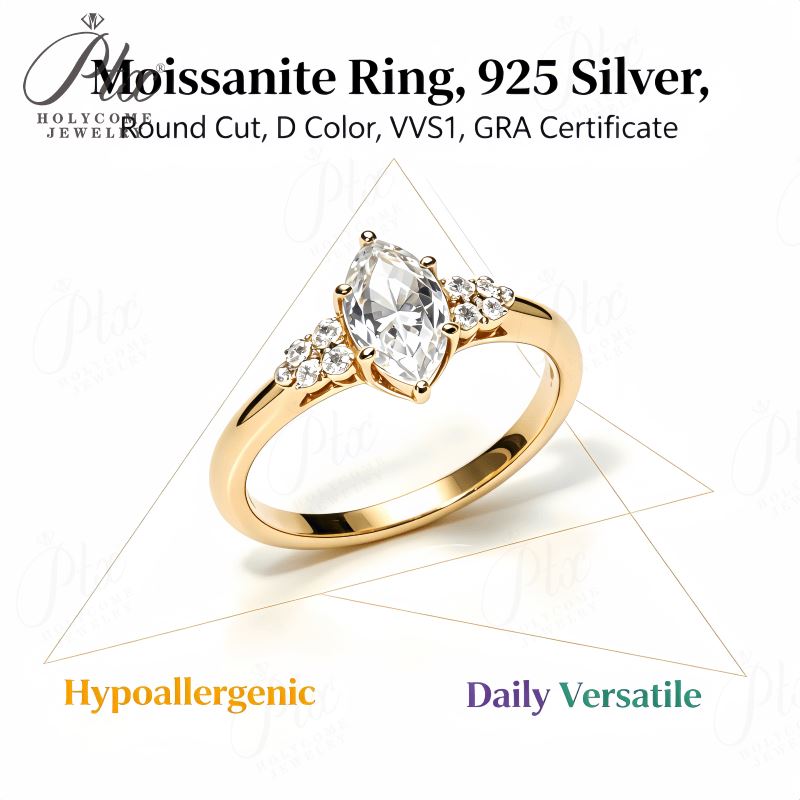
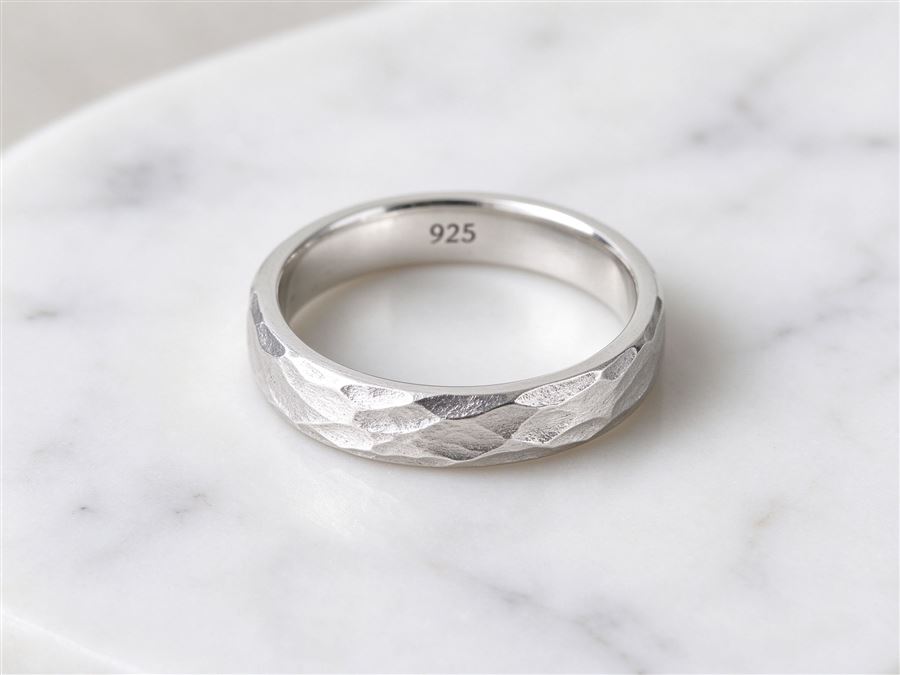
Almost every couple that comes in assumes the engagement ring belongs on the fourth finger of the left hand. It is the default in the United States, the United Kingdom and much of the Anglophone world. But step outside that bubble and the picture changes completely. Engagement-ring custom is one of those small traditions that turns out to be far less universal than it feels from inside it.
If you are planning a bespoke ring, it helps to know what the finger will actually be. Sizing, stacking and even comfort-fit design all depend on which hand and which finger the ring will live on, and guessing wrong here is an expensive mistake to fix after the stone is set.
The left-hand tradition and where it comes from
The Roman idea of the vena amoris, a vein running directly from the fourth finger to the heart, is the romantic root of left-hand wearing. The science is nonsense—all fingers have similar vascular structure—but the symbolism stuck through centuries of European custom and traveled to North America with the earliest settlers. In the US, Canada, the UK, Australia and New Zealand, the left fourth finger is the default for both engagement and wedding rings.
Where the right hand is the default
In much of Northern and Eastern Europe, the tradition flips. Couples in Germany, Russia, Poland, Norway and Denmark commonly wear engagement rings on the right hand, then move or add the wedding band there as well. In some countries, the engagement ring starts on the right and the wedding band switches it to the left after the ceremony. It varies by region, and families within a country often disagree anyway.
South Asia and the toe
In parts of India, traditional married women wear a toe ring, usually on the second toe of the foot, in pairs. It is a distinct piece of marital jewelry with its own craft, and it predates the Western engagement ring by centuries. Urban couples in India increasingly combine traditions—a Western engagement ring on the hand alongside the familiar toe ring. There is no single correct way to layer these.
Other variations worth knowing
Greece, Spain and parts of Italy lean right-hand for engagement. In Brazil, couples often exchange matching bands at the engagement stage on the right, then move them to the left after the wedding. In Jewish ceremonies, the groom places the ring on the index finger during the ceremony, after which the couple often shifts it to the ring finger in daily life. None of these are rules enforced by anything but family and habit, and that looseness is what makes the tradition yours to adapt rather than obey.
Men's rings and the stacking question
For men, the finger question is simpler. A wedding band usually sits alone on the ring finger, and whether that hand is left or right rarely affects design. Where it matters is when a man also wears a signet or a dress ring. We often build those for the pinky of the opposite hand, leaving the ring finger free for the band. If you are designing a bespoke men's wedding band, tell us up front whether you also wear a watch or other rings on the same hand, because the profile and width change to suit.
Does it actually matter for the design?
Yes, in practical ways. The right hand is usually more active for right-handed people, so a ring worn there takes more of a beating and benefits from a lower, more durable setting. Finger size also differs between hands—many people measure a half-size or a full-size difference between left and right ring fingers. If you are ordering a bespoke piece and plan to wear it on a non-default hand, measure that hand, not the one the store usually sizes. Our guide to measuring your ring size at home covers the method.
What we tell clients
There is no inspector who will knock on your door and check your finger. The useful questions are quieter: which hand will this ring live on, how active is that hand, and does the choice reflect a family tradition you want to honor or one you want to rewrite? Couples blending two cultures often design rings that acknowledge both—an engraved reference inside the band to the tradition on the other hand, for example. That kind of meaning is exactly what bespoke is for.
Wherever the ring lands, the finger is just a location. The meaning travels with it. Wear it where it fits best, on the hand that will actually show it off, and let the tradition follow you rather than the other way around. We have built rings for both hands, for non-traditional placements, and for clients who deliberately mix two family customs into one design. None of these choices needs an apology.