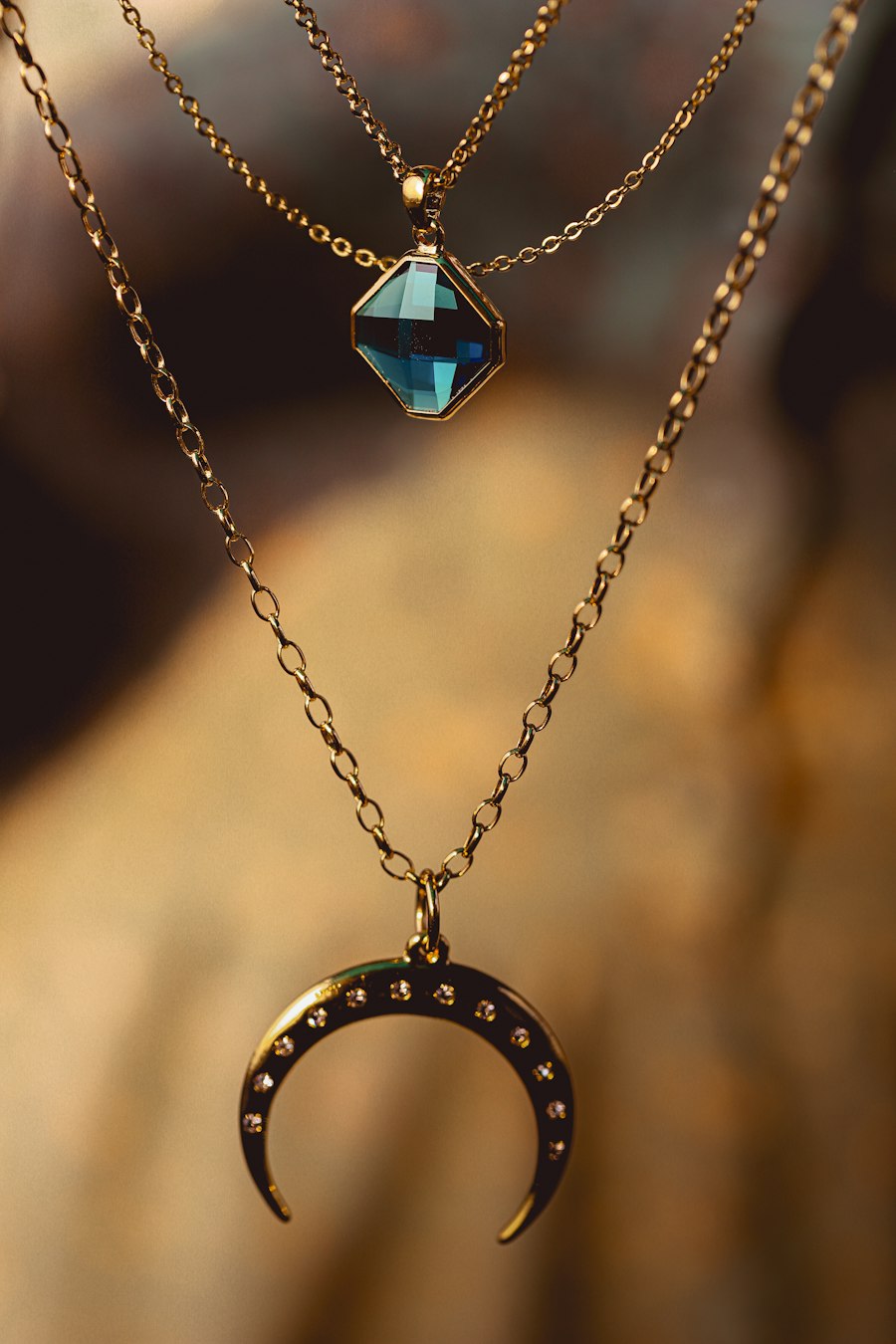
Lockets are the oldest kind of jewelry we still commission. Four hundred years ago, wealthy families carried miniature portraits under glass in lockets hung from chains. The shape has not changed much. What has changed is the quality of the ones worth wearing. Mass-produced lockets from the mall are thin, they dent, the hinge gives out within a year, and the photo inside fades in humidity. A bespoke locket is built like a small piece of machinery, and it is meant to outlive you.
Why commission a locket at all
People come to us for lockets for a few recurring reasons. Some are replacing a lost childhood locket a grandmother gave them. Some want to carry a photo of a child, a parent, or a pet against their chest without anyone else seeing it. Others are after the quiet symbolism itself: a locket worn on a fine chain at the collarbone is a piece of jewelry that looks minimal from across the room and means everything up close. If you like that idea of private meaning, our note on hidden details inside jewelry is the same instinct, applied to rings.
Choosing the right size and shape
Lockets come in oval, round, heart, and square silhouettes, but size matters more than shape. A locket wider than about 22 millimeters reads as costume on most women. A locket smaller than 15 millimeters cannot fit a recognizable photo. The sweet spot we land on most often is 16 to 19 millimeters oval, hung from a 16- to 18-inch chain that sits at the base of the throat. For men who want one on a longer chain, we go slightly heavier, with a brushed finish and a wider bail.
What goes inside
Inside a locket you can fit photographs, a snippet of hair, a small folded note, or nothing at all. The classic approach is two tiny portraits, one on each side. We print the images on archival photo paper and cut them to the cavity with a sharp blade. Modern lockets we build use a clear sapphire or mineral glass window on the inner plate so the photo never touches the metal and never tarnishes. If the photo is of someone who has passed, clients often choose to leave one side empty, as a kind of quiet space.
Metal choices that actually last
A locket moves more than a ring. It swings on the chain, it bumps against the collarbone, and it is opened and closed hundreds of times a year. That means thin 10k gold is a poor choice; it will deform. We build lockets in 14k or 18k yellow, rose, or white gold, or in platinum for clients who want the heaviest feel. The hinge is soldered on, not pinned, and the clasp is a spring ring or lobster that can be replaced later without rebuilding the whole piece. The interior walls are thick enough that a bump against a desk will not dent them.
The process in short
You start with a consultation where we talk through who and what the locket is for, and what chain length you actually wear. We sketch two or three silhouettes, you choose one, and we carve a wax model you can hold. The hinge is cut by hand in metal after casting, tested open and closed a few hundred times in the workshop, and only then set onto the chain. The whole commission usually runs four to six weeks. For context on how that fits into a broader necklace commission, our guide to bespoke pendant necklaces covers chain weights and lengths we recommend again and again.
Choosing the chain
The chain is half the commission, and it is the half clients skimp on. A thin cable chain in 14k gold is the default, but for a locket with any weight, we step up to a slightly heavier cable or a snake chain that lies flat against the chest. The clasp should be a lobster or a spring ring you can work one-handed, because you will be opening and closing the locket more often than you open the clasp. Chain length is personal: 16 inches sits high at the throat, 18 inches falls at the collarbone, and 20 inches rests on the upper chest. Most clients end up at 18, which is the most flattering for women with a collarbone they want to show.
Caring for it
Because the locket opens, it collects dust and skin oils in the cavity. Once or twice a year, open it, lift out the photo, and wipe the interior with a dry cotton swab. Keep it away from perfume and chlorine. With that, a properly built locket becomes the kind of object you hand to your own child one day, the way someone handed one to you.