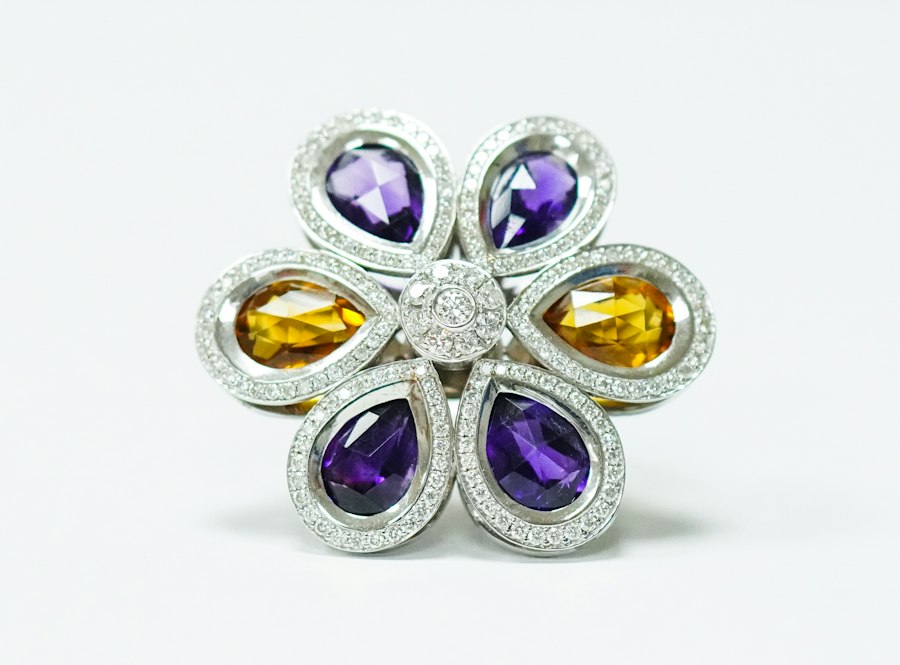
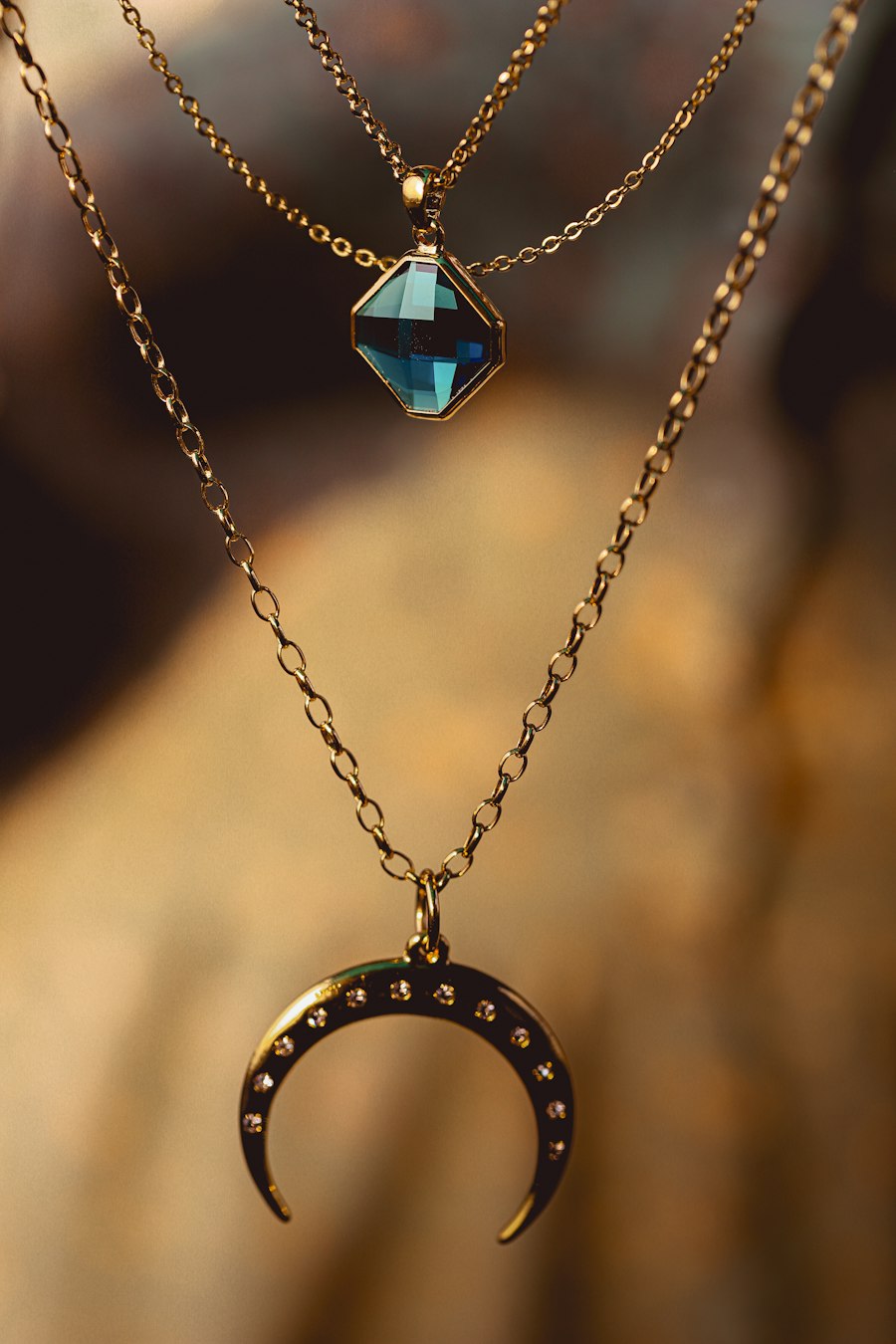
Most bridesmaid gifts follow a predictable arc. The bride orders a matching set from a mass-market site, the friends open them at the rehearsal dinner, and the pieces sit in jewelry boxes for the next decade. It does not have to be this way. Commissioning a small, coordinated set of bespoke pieces for your wedding party turns a thank-you into an heirloom. The friends who stood next to you on a Tuesday in October end up with jewelry they actually reach for on ordinary mornings.
The case for custom is simpler than it sounds. Fast-fashion bridesmaid jewelry is designed to photograph well once. Bespoke pieces are designed to be worn repeatedly, which means the metal, the stones, and the clasps all have to hold up to real life. A pair of gold-filled studs from a marketplace listing may tarnish in a humid bathroom. A pair of 14k gold studs from an atelier will not. When you think about how often your bridesmaids will wear the latter, the price gap stops looking like a splurge and starts looking like a decision about how long the gift lasts.
Start with a shared thread, not a matching uniform
The most successful sets we make are coordinated rather than identical. A shared material — say, a small birthstone or a particular chain length — ties the group together without forcing everyone into the same silhouette. One bridesmaid who never wears earrings might get a slim pendant instead. A sister who is allergic to certain metals gets a nickel-free version. A friend who lives in sweaters gets a piece small enough to layer. This is the part of custom that mass retailers cannot replicate: the set reflects the people in it, not just a product photo.
Many brides anchor the set around a stone or a symbol that means something to the group. We have used birthstones of children not yet born, coordinates of a lake where a group of friends met, and the same small pearl in slightly different settings across five women. If you want to tie the gifts back to your own engagement ring, we can echo a detail — a bead, a curve, a finish — so that the group pieces quietly reference yours. A conversation about working with birthstones often surfaces ideas brides had not considered.
Budgeting the set
A common worry is that bespoke means unaffordable. In practice, a coordinated set of small pieces — studs, slim pendants, simple bands — often lands within the range brides already spend on individual gifts, especially once you account for how long the pieces last. The lever that most affects price is stone size and number of stones, not the custom fee itself. We typically build a few tiers so that a larger bridal party can mix a signature piece for the maid of honor with a slightly simpler design for the rest of the group.
Timing matters. Commissioning a set of five or ten pieces takes longer than ordering from a catalog, and we need time to size chains, confirm allergies, and match finishes. As a rule of thumb, start the process three to four months before the wedding. If you are open to ready-made designs that we can personalize with engraving, we can compress that window. Our guide to commissioning a pair of bespoke earrings walks through the decisions a single pair requires; a set simply multiplies those decisions by the size of your party.
What your bridesmaids will actually notice
For larger parties — eight bridesmaids, plus a maid of honor, plus mothers — we usually design two tiers. The maid of honor and mothers receive a slightly larger piece, often with a small stone; the rest of the group receives a matching simpler design. This keeps the group visually coordinated while still honoring the people who carried more of the workload. We have also designed versions where each woman gets the same chain length but a different pendant, chosen to reflect her own personality. It looks more expensive than it is and feels far more personal than a uniform set.
We also plan the reveal. Most brides want to hand the gifts to the bridal party at the rehearsal dinner, which means the pieces should arrive in finished boxes at least a week ahead. We suggest tying each piece to a short, handwritten note naming the friend and the specific role she played. The note is not extra; it is part of the gift. A pair of earrings with a note that says thank you for driving me to dress fittings lands differently than the same earrings handed across a table.
People remember the weight of a piece, the clasp that does not fight them, the ear wire that does not irritate. They remember that it arrived in a small box with a handwritten note, not a polybag. They remember, years later, that the jewelry came from the same place as the bride's ring. That continuity is the quiet value of going bespoke. The gift stops being about the wedding day and starts being about the friendship, which is, after all, the whole point.