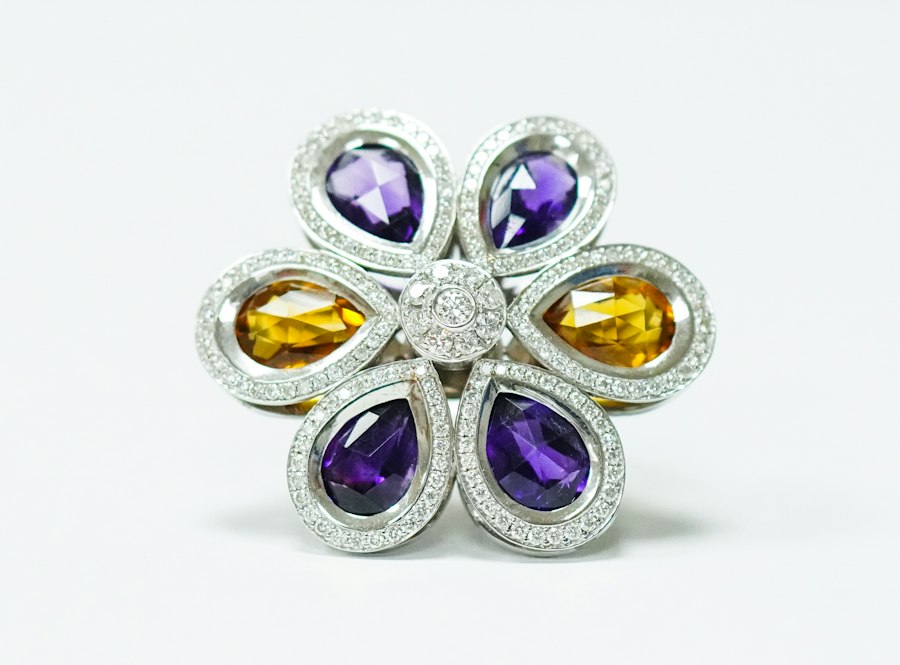
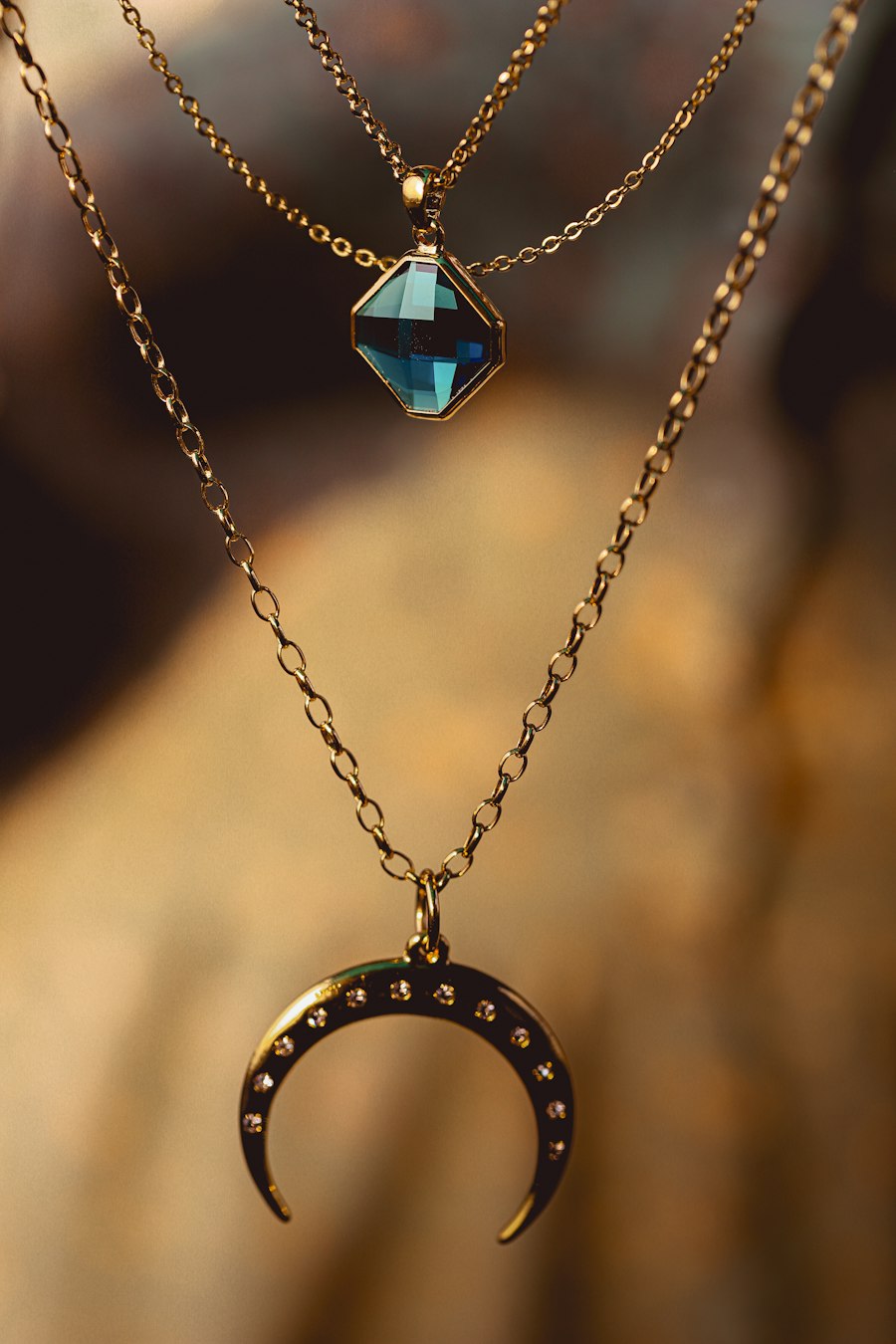
Some clients walk into our atelier with a sketch. Others walk in with a small pouch. Inside that pouch is a loose diamond bought years ago, a sapphire pulled from a broken bracelet, or a gemstone inherited from a grandmother. They already own the center stone, and they want us to do what we do best: design and build a setting that does it justice. A bring-your-own-stone commission is one of the most rewarding jobs on the bench, but it also comes with a few questions that almost never come up in a from-scratch commission. Here is what the process actually looks like.
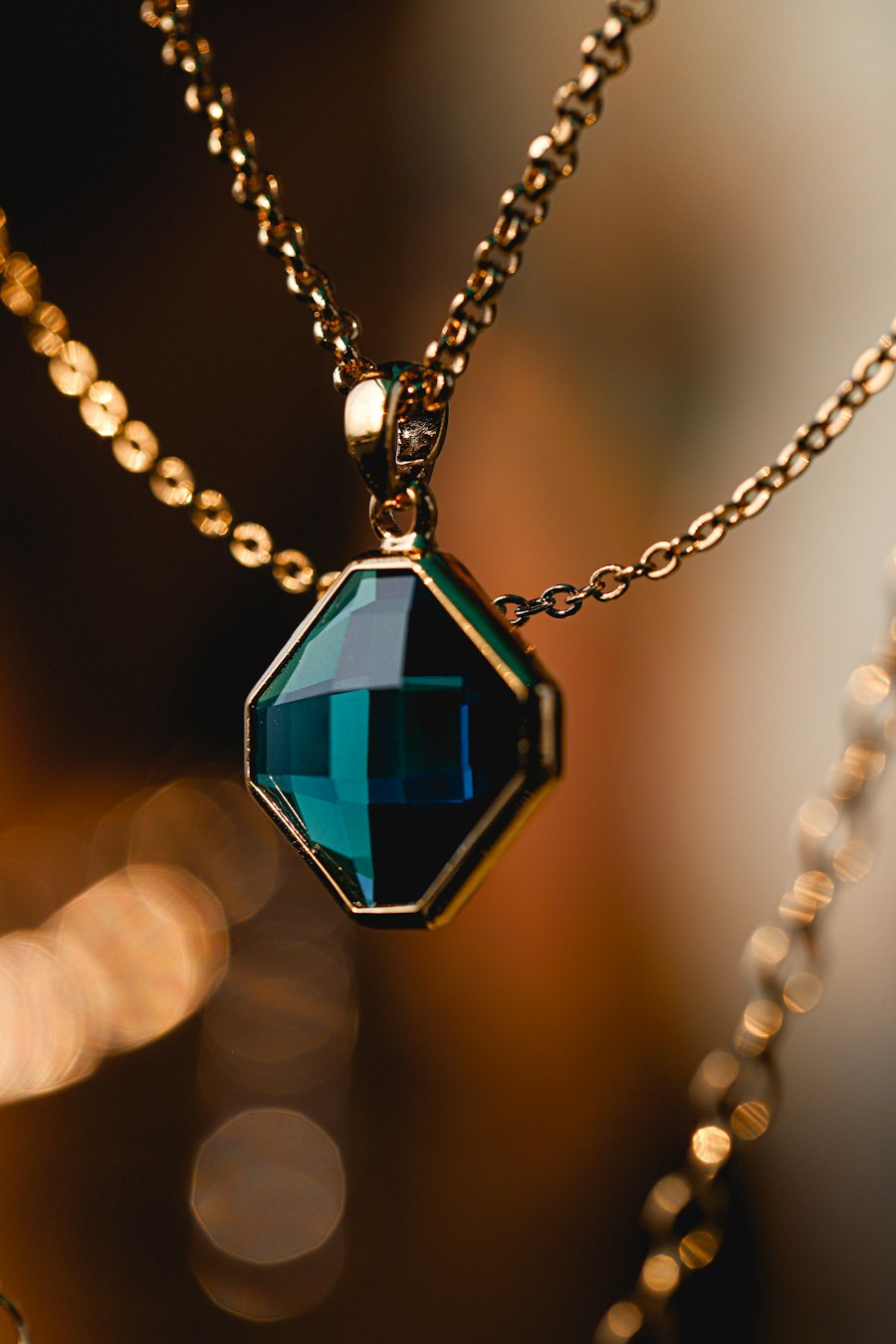
The first step is always the same: we want to see the stone. Not a photograph, the actual stone. A loose gem behaves very differently once it is mounted, and a photograph cannot tell us about chip damage on the girdle, a hidden fracture, or a loose pavilion that needs extra support. At the consultation we will examine your stone under magnification, measure its exact dimensions, and check the proportions that will determine how it must be held in the setting. A diamond with a thick girdle can sit low and protected. A thin, fragile girdle may need a bezel rather than prongs. An old mine cut has a very different silhouette from a modern round brilliant, and the setting should be drawn around those real numbers rather than a generic size on a chart.
If your stone has a certificate, bring it. A GIA, IGI, or other grading report tells us the carat weight, measurements, and any known characteristics, and it lets us confirm we have received the stone you intended. If you do not have paperwork, that is not a reason to walk away. Many heirloom stones never had a certificate. We can still measure, inspect, and set it. We simply document what we observe in writing before work begins, so there is no ambiguity later about condition.
Once we understand the stone, the design conversation can finally begin. This is the part people enjoy most. The stone already carries the meaning, so our job is to choose a metal, profile, and accent stones that complement it rather than compete with it. A warm yellow sapphire often pairs beautifully with 18k yellow gold and a slim, unadorned band. A high-contrast colorless diamond looks crispest in platinum with a crisp geometric setting. We will talk through the main setting types and which ones suit your stone's shape and your daily routine. If you are also wondering about the metal itself, our guide to platinum versus 14k and 18k gold lays out the practical differences in weight, wear, and color.
A practical note on value: when you supply the center stone, the commission price reflects the setting, materials, labor, and any accent stones you choose. You are not paying retail markup on the center diamond twice, which is one reason BYO commissions often stretch further than clients expect. We are transparent about what goes into the setting cost, and we will give you a fixed quote before any wax or CAD work begins. If you want a sense of how those costs break down in a typical commission, our article on custom engagement ring cost and timeline walks through the line items.
Insurance and paperwork matter more on a BYO commission because the stone may predate your relationship with us. Before the stone leaves your hands, we will provide a written intake note describing the stone, its condition, and its value as you have told us. We also recommend confirming that your existing jewelry insurance policy covers the stone while it is in our workshop and again once it is reset. Most policies do, but a quick phone call avoids a headache if something unexpected were to happen in transit.
What about stones that are damaged? This is more common than you might think, and it is not automatically a reason to abandon the idea. A chipped girdle can often be protected by redesigning the setting to cover the damaged edge. A loose stone in an old mounting can be re-seated fresh. If a stone has a serious crack that would make setting risky, we will tell you honestly before we start, rather than discovering it under a press. We would rather lose a commission than set a stone we believe will not survive.
The rest of the process mirrors any other bespoke commission: design review, CAD or wax approval, casting, stone setting, and finishing. The only difference is that we are working to a set of measurements you already brought us. Most BYO engagements rings take roughly the same four to eight weeks as a from-scratch commission, because the design work is the long pole, not the stone sourcing.
If you have a loose stone sitting in a drawer, a safe, or a jewelry box that has never quite felt right, bring it in. Often the question is not whether we can set it, but how wonderful it will look once it finally has a setting built specifically for it. The stone has waited long enough.