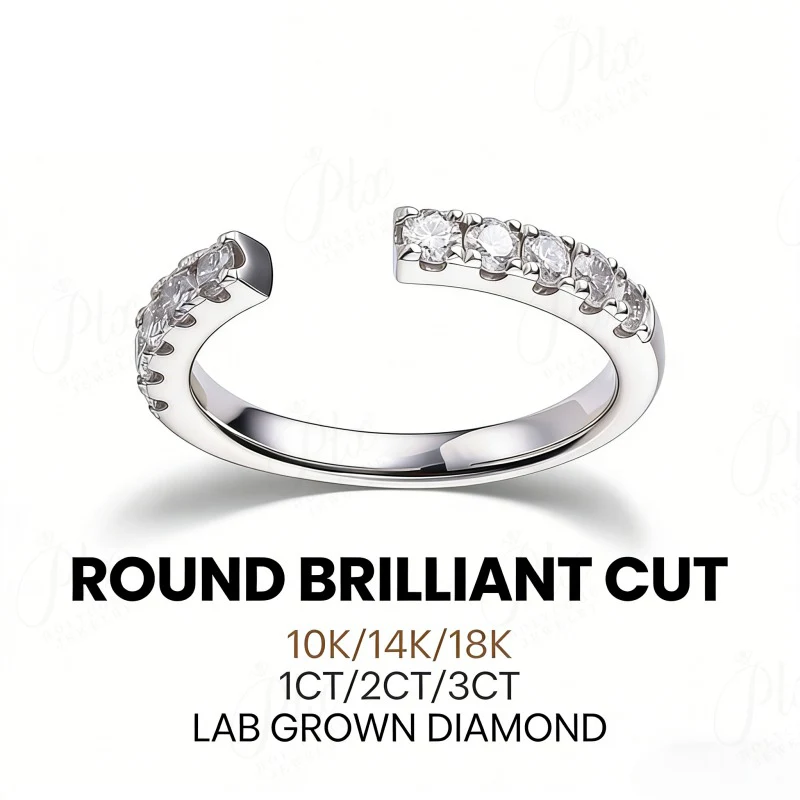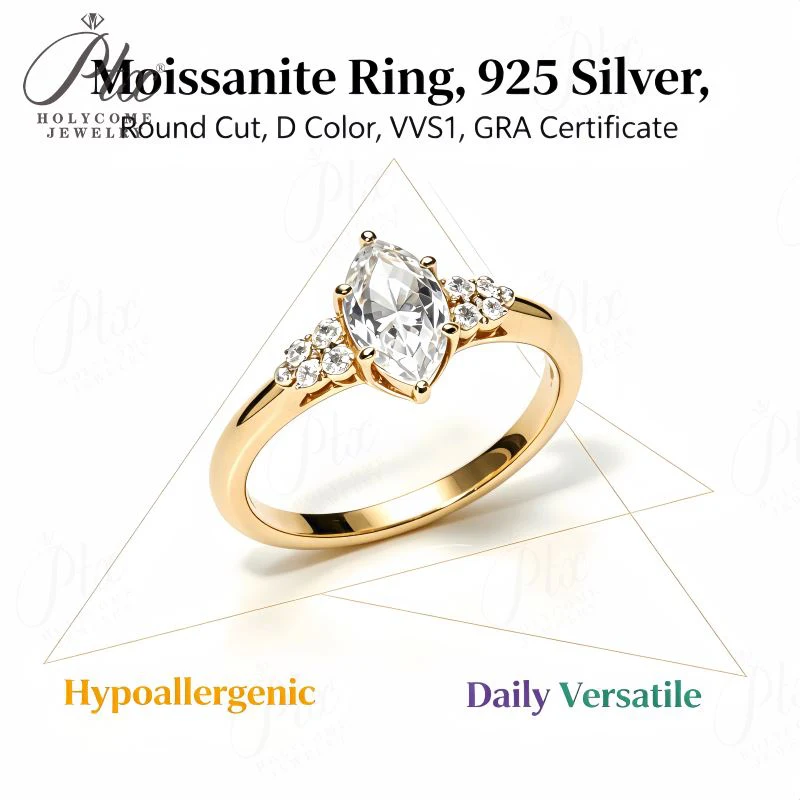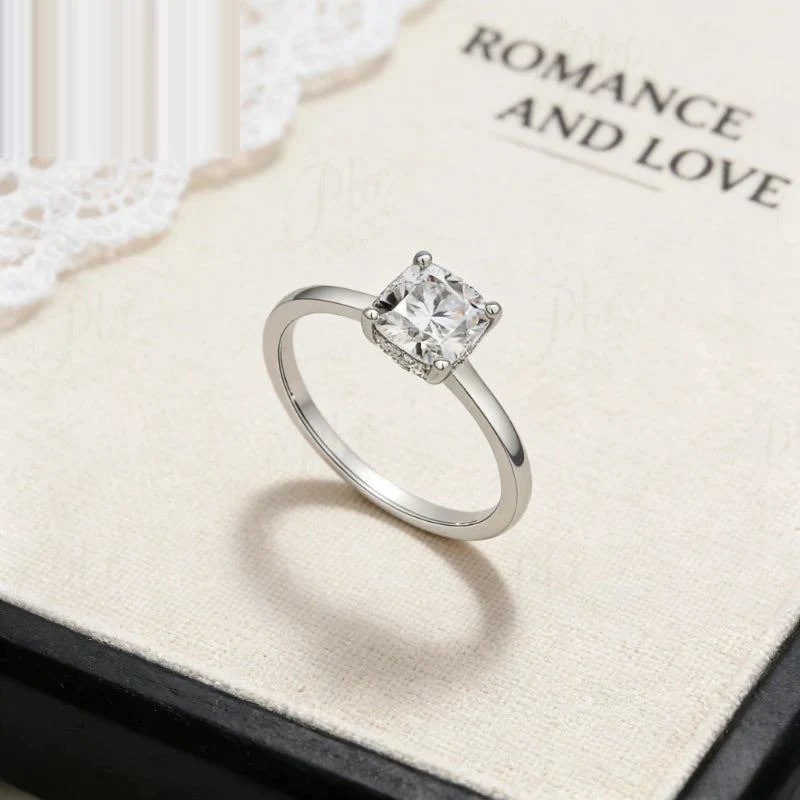
A CAD render looks like a photograph, but it is still a picture. The wax model is the first time your ring exists as a physical object—carved or milled in wax, exactly to the design, before a single gram of gold is poured. This step is the safety net of bespoke, because it lets you hold and try the piece while it is still cheap to change.
IWhat the wax model is
After the CAD is approved, a high-resolution wax version is milled or 3D-printed, a few millimetres larger than the finished ring. The wax carries the exact shape, the band width, the prong positions, and the setting seats. It is light, warm to the touch, and slightly flexible. You can slip it on, see how it sits on the finger, and judge proportions that a screen cannot show. A ring that looked slim on a render suddenly feels too wide—and at the wax stage, that costs a few days to fix, not a ruined casting.
IIThe lost-wax cast
Once you approve the wax, the real metalwork begins. The wax is encased in a plaster flask, which is heated until the wax melts and runs out—hence lost wax—leaving a hollow mold in the shape of the ring. Molten gold or platinum is poured in, fills the cavity, and cools. The flask is broken open, and the rough casting emerges attached to a sprue. From there the sprue is cut, the ring is filed, the stone is set, and the whole piece is polished. What comes out of the mold is the same shape as the wax you held.
- CAD approved: design locked on screen.
- Wax model: milled, held, tried on, approved.
- Lost-wax cast: wax burned out, metal poured.
- Finish: cut, filed, set, polished.
IIIWhy this step protects you
Most redesigns happen at the wax stage, and that is exactly where they should. A width, a prong height, or a curve that reads wrong on a finger is corrected while the correction is cheap. By the time the gold is cast, the design is settled, which is why a good commission rarely has a costly surprise. Remote clients get the wax by post or hold it on a video call; the try-on still works, even at a distance.
| Stage | Material | Changeable? |
|---|---|---|
| CAD render | Digital | Free, easy |
| Wax model | Wax | Small cost, days |
| Casting | Gold/platinum | Expensive to change |
| Finished | Polished | Reset, not redesign |
IVHold it before it is gold
If your jeweller skips the wax model and casts straight from a render, ask why. The wax step is what turns a screen design into a piece that fits your hand. For more on each stage, see our custom process guides.
VWhat to actually check on the wax
When the wax arrives, do more than admire it. Put it on. Check the band width against your expectation—most clients find a 3mm band reads slimmer than they pictured, and a 5mm reads bolder. Run a finger along the inside for comfort, because the polished inside of the finished ring matches the wax. Confirm the prong positions look right for the stone, and the height of the setting. If anything feels off, say so at the wax stage. This is the cheapest moment in the whole process to change your mind.
VIWhy some studios skip it
A few studios cast straight from a render to save a week and a small cost. That works for simple catalog-style rings, and it cuts a day or two. But for a bespoke piece, the wax step is where a design that looked perfect on screen reveals itself as uncomfortable on the finger. The studios who skip it are betting the render was right. Most of the time it is close; occasionally it is wrong, and then the correction costs more than the wax ever did. Asking whether you will see and hold the wax is a fair question, and the answer tells you how the studio runs.
VIIThe timeline, summed up
The whole cast takes about a week once the wax is approved: flask, burnout, pour, break-out, and the first rough ring in hand. Then the filing, setting, and polishing add another week or two. The wax itself is milled in a day or two after the CAD is signed off. From your approval of the wax to the finished ring, expect two to three weeks. The slow parts are the stone sourcing and the polishing, not the cast itself. Hold the wax well before the date, and the rest follows.
From CAD to wax to gold, each stage has a chance to correct the design. The wax is where the correction is cheapest. Ask for it, hold it, and approve it. Then the cast is the form you already trust.
Hold the wax, try the width, then let it become the metal you wear for decades.
For third-party reference, the Wikipedia article on moissanite details moissanite’s discovery, optical properties and use in jewelry.
Related reading: What to Expect From CAD Ring Design: The 3D Model Before the Ring, Ring 3D Model, Ring 3D Model Price Per Unit: Full Breakdown.
VIIIFrequently Asked Questions
What ring sizes can you supply in bulk?
US sizes 5–12 including half sizes. Send a size breakdown with your order and we cast to that curve; comfort-fit inner bands reduce resize requests.
Can I order a mixed size run instead of one size?
Yes. Mixed runs are standard for wholesale: specify quantity per size and we pack and label by size at no extra labor cost.
What is the MOQ for custom ring designs?
50 pieces per design for existing molds; 100–300 pieces when a new mold or CAD model is required.
How should I price rings for retail margin?
Most partners use a 3–4x markup on FOB cost for sterling and 2.5–3x for moissanite solos, which keeps landed cost under 30% of retail.