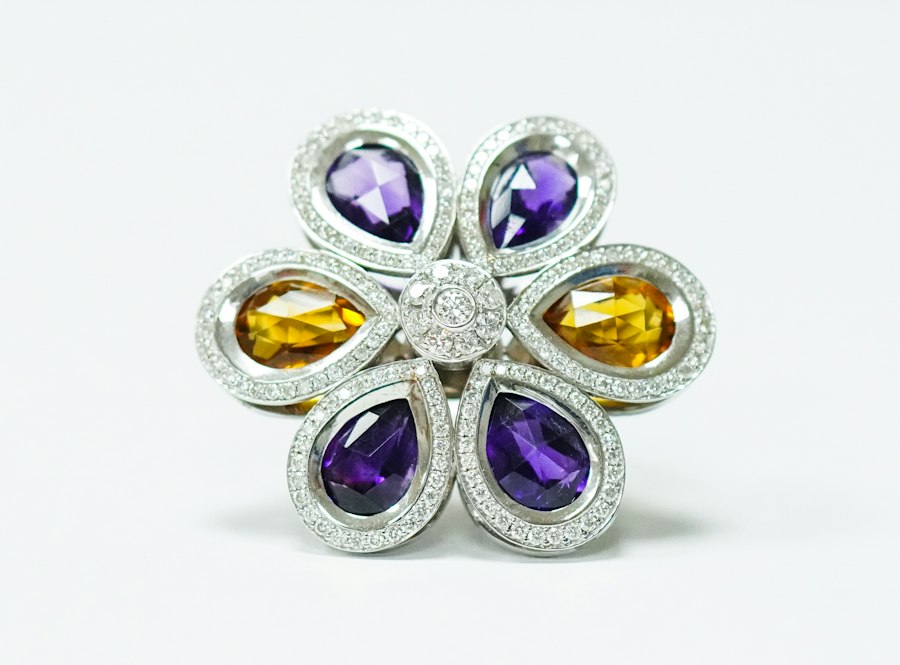
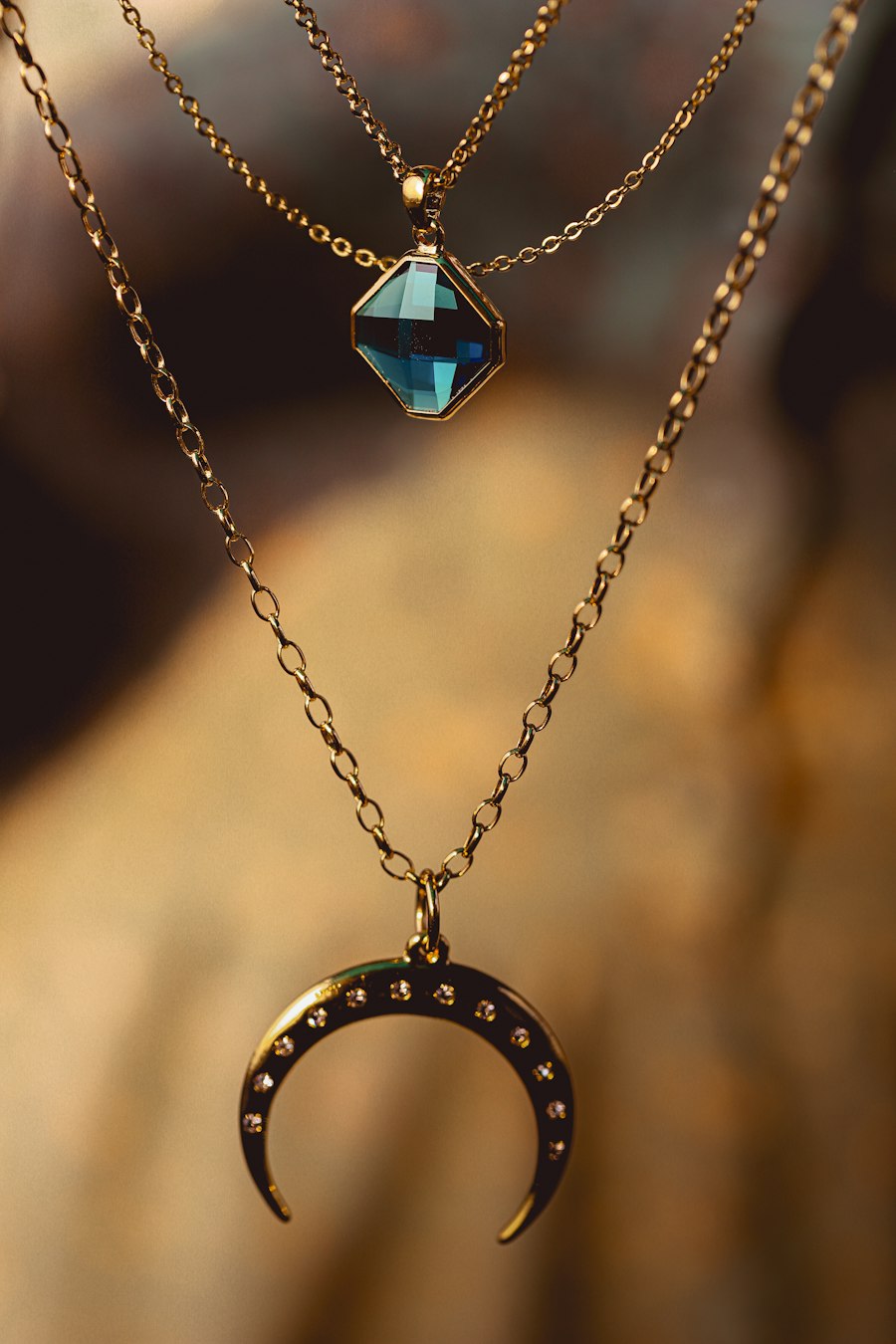
Second-marriage commissions arrive with a different kind of brief. There is usually a pause at the consultation. Then one of them says it: "I don't want the same kind of ring." Sometimes it is about budget, sometimes about family, often about wanting a piece that looks like this decade, not the last. What they are really saying is that this marriage deserves its own visual language — and bespoke is exactly the place to build it.
What "different" usually means in practice
When we ask what they want away from, the answers cluster into a few familiar shapes. Clients want a ring that is quieter — no solitaire that announces itself. They want a ring that is modern — a shape or setting they did not choose in their twenties. They want a ring that honors the wider family — stones that acknowledge children from both sides. And sometimes they want a ring that is deliberately not a diamond at all. All of these are good instincts. None of them are "settling."
Stones: the obvious choice is not the only one
A second engagement is the moment clients most often give themselves permission to choose a colored gemstone. A sapphire, an emerald, a morganite, a tourmaline — a stone that reads as them rather than as "an engagement ring." We also see more clients choosing colored gemstones deliberately, not for price but because the feel is cleaner for a life they are building now. There is no rule that says a second ring must echo the first one. In fact, the couples happiest with the result are the ones who let it look entirely its own.
Honoring children and wider families
A number of second-marriage commissions quietly become family pieces. A birthstone for a child set beside the center stone. A small diamond from a parent's ring reset as an accent. Engraving that includes names, initials, or a date that is not a wedding date at all. We designed one ring where three tiny diamonds on the shank represented three children, and the couple could not have told you which stone was the "center" without looking closely. That layered meaning is something a retail ring cannot do.
What to do with the old ring
This comes up more than you might expect. There are three honest paths, and we do not push one over the other.
- Keep it as-is. It is a piece of your history. Store it, pass it to a child, leave it in the family.
- Redesign the stones, not the story. A diamond from an earlier ring can be reset into a new setting with a different metal, a different shape, a different arrangement. The stone carries the history; the setting belongs to this marriage.
- Sell or trade it. Some clients would rather start with a clean budget and no inherited material. We respect that too.
Whatever you choose, do it deliberately. A rushed decision about an old ring usually gets revisited later, and we would rather talk it through now.
What it tends to cost
Clients sometimes assume a second ring should cost less, as though the occasion were smaller. In practice, second-commission rings often land in a similar budget to the first — because this time around, the buyer knows what they want and is not compromising. The money usually moves differently: less spent on a large center stone, more spent on setting, engraving, and details that mean something to the two of you. We have built these rings on every budget, and the ones clients love most are rarely the ones with the biggest stone. They are the ones where the details were chosen slowly and on purpose.
Involving children in the design
For couples blending families, the question of children comes up naturally. Some clients want a child's birthstone set into the band; others want a charm or a small engraving with the child's name. We have also built rings where a child's drawing or handprint was engraved onto the inside of the shank, invisible from outside but known to the wearer. None of these details require a big budget. What they require is a conversation — about who belongs in the story, and how visibly. That conversation is the part that makes the ring feel like yours, rather than like a generic second engagement.
This chapter gets its own ring
A second marriage is not a smaller version of a first one. It is a longer, clearer, better-informed version. The ring should reflect that. It should feel like a piece designed for who you are at this age, with this person, in this life — not a reprise of a decision you made twenty years ago. That is the commission we most look forward to, because it is the one where symbolism is chosen, not inherited.