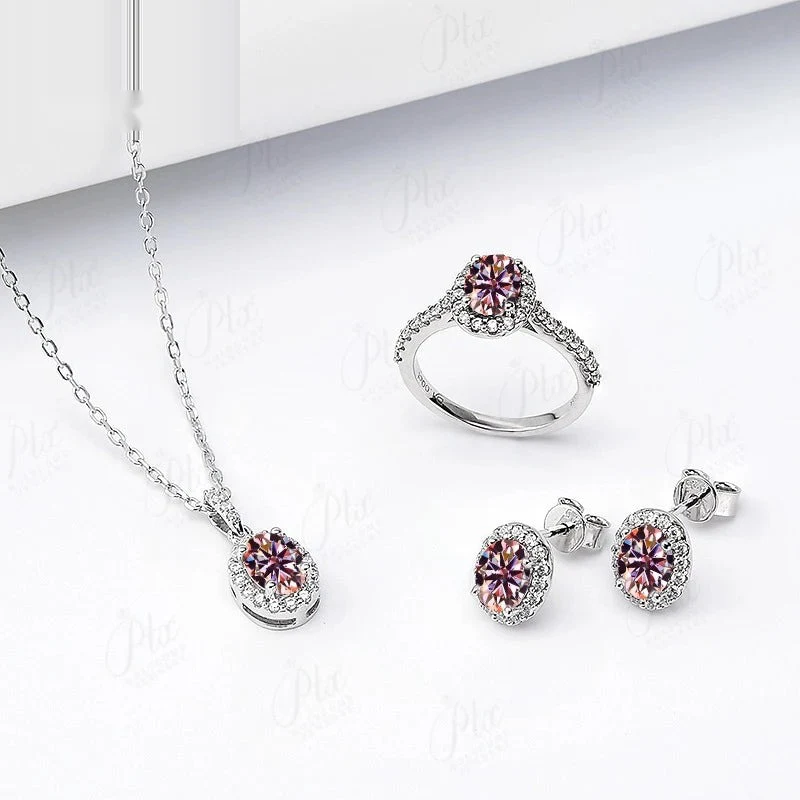
IWhy Loose Moissanite Stones Are Driving Style-Driven Wholesale Buying
Loose Moissanite Stones have become one of the most practical inventory choices for US jewelry resellers who buy with style trends in mind. Because moissanite is a lab-created diamond alternative, it delivers a diamond-like look at a price point that lets retailers stock more styles, refresh collections more often, and respond quickly to shifting consumer demand.
For wholesale buyers, the trend opportunity is less about the stone itself and more about how color, cut, and size selections translate into fast-moving retail assortments.
This article breaks down the decisions that matter most when buying loose moissanite for resale: which cuts and sizes are moving, how to balance carat weight against price per carat, how grading paperwork affects sell-through, and how lead times shape a trend-responsive buying calendar.
IIUnderstanding the Trend Cycle for Lab-Created Diamond Alternatives
Moissanite sales in the US retail market follow fashion cycles similar to colored gemstones and diamond simulants. Larger center stones have gained visibility as solitaire-style and statement settings trend on social platforms, while smaller accents remain steady sellers in halo and pavé-style designs. Buyers who track these cycles can time their purchases so inventory arrives as demand peaks rather than after the trend has cooled.
Style Trends That Influence Stone Selection
Several recurring style movements shape which loose stones resellers order:
- Large round brilliant centers for solitaire-style engagement rings and everyday statement pieces
- Elongated cuts such as oval, pear, and emerald for vintage-inspired and celebrity-influenced designs
- Small melee-sized stones for accent work in earrings, bands, and layered jewelry
- Colorless grades for classic buyers alongside near-colorless options for price-sensitive shoppers
Each of these movements affects not just which stones you buy but how many of each size you need. A retailer chasing the elongated-cut trend will need a very different size distribution than one stocking classic round brilliants.
IIIKey Product Decisions for Trend-Focused Buyers
Buying loose stones for resale means making a handful of concrete decisions before placing an order. Each one has a direct effect on your landed cost and retail flexibility.
Cut Selection and Style Alignment
Cut determines both the visual appeal and the speed of resale. Round brilliant remains the most versatile cut because it fits a wide range of settings. Elongated cuts move with fashion cycles, so buyers should order them in smaller, more frequent quantities rather than committing to deep stock. Fancy cuts typically carry a different price per carat than rounds, so verify pricing per piece or per carat depending on the item before comparing suppliers.
Size Distribution and Carat Weight Planning
Loose stones are sold by the carat, which means your buying plan should map directly to your setting inventory. A practical approach is to build a size ladder: a small quantity of large statement stones, a deeper stock of mid-range sizes that fit your bestselling settings, and bulk quantities of small accent stones. This mirrors how consumers actually shop and prevents capital from sitting in slow-moving large stones.
Color Grading and Customer Expectations
Moissanite is graded on scales similar to those used for diamonds, and buyers should decide early whether to stock colorless or near-colorless goods. Colorless stones command higher pricing and suit premium collections. Near-colorless stones let you offer trend-driven designs at accessible retail prices, which matters when you are testing a new style before committing to depth.
Grading Reports and Retail Credibility
Graded stones come with GRA or IGI papers, and these documents do real work at the retail counter. A customer who sees an independent grading report has an easier time trusting the stone's stated characteristics, which shortens the sales conversation and supports higher price points. When comparing suppliers, confirm that grading paperwork is available for the sizes and grades you plan to stock, and ask whether report verification is consistent across your order rather than only on select stones.
IVMinimum Order Quantities and Buying Flexibility
Wholesale terms determine how aggressively you can chase a trend. Flexibility at the order level matters as much as stone quality.
The supplier's MOQ structure works in your favor for trend buying: the minimum order is 1 piece for stock styles, while custom work requires 30 pieces. Loose stones are sold by the carat, so you can build a mixed order of different cuts and sizes without locking capital into a single configuration.
This structure lets you test an emerging cut or size in small quantities, confirm retail demand, and then scale into deeper stock or custom orders once the trend proves out.
| Decision | Low-Risk Approach | Scale-Up Approach |
|---|---|---|
| Cut selection | Order trending cuts in single pieces | Custom orders of 30 pieces |
| Size mix | Buy loose stones by the carat | Standardize best-selling sizes |
| Grading | GRA or IGI papers on key stones | Consistent reports across stock |
| Pricing | Per piece or per carat quotes | Volume-based negotiation |
The table above shows how the same product decisions shift as a style moves from test to established seller. The transition should be driven by retail sell-through data, not guesswork.
VLead Times and the Trend Buying Calendar
Timing separates buyers who profit from trends from those who arrive late. Sampling takes 7 to 10 days, and bulk production runs 15 to 25 days after approval. Add DDP delivery to the US of 5 to 8 days, and a full custom cycle from first sample to stock on your shelf runs roughly four to six weeks.
Plan backward from your retail calendar. If you want new styles live for a spring season, sample orders should be placed early enough that bulk production wraps before your sales window opens. For in-stock styles, the 1-piece MOQ and per-carat pricing mean you can reorder quickly when a style accelerates, using stock availability to fill gaps while custom production runs.
VIPricing Structure and Payment Terms for Resellers
Pricing is quoted per piece or per carat depending on the item, so build your margin model around the pricing basis of each stone category. Larger graded stones are typically quoted per carat, which makes size distribution planning essential: a shift in your average carat weight changes your cost structure directly.
Payment terms support both testing and scaling. Sample orders can be paid through PayPal, which lowers the friction of trying a new cut or size. Bulk orders run on T/T with a 30 percent deposit and the 70 percent balance before shipment. This structure lets you confirm style direction with minimal upfront commitment, then commit capital once retail demand is demonstrated.
VIIQuality Control Across a Mixed Loose Stone Order
A trend-focused order usually mixes cuts, sizes, and grades, which makes consistent quality control critical. The supplier runs a three-stage QC process: incoming inspection of materials, in-process checks during production, and a pre-ship AQL inspection before goods leave the factory.
For loose stones, that pre-ship stage is where you should focus attention. Confirm that the AQL inspection covers cut symmetry, color consistency against the agreed grade, and that GRA or IGI papers match the stones packed in each parcel. Request inspection documentation with your shipment so discrepancies can be raised before the 70 percent balance is settled, since payment is completed before shipment under the T/T terms.
VIIIBuilding a Style-Responsive Loose Stone Program
The buyers who do well with loose moissanite treat it as a rolling program rather than a one-time purchase. A workable rhythm looks like this:
- Order single-piece samples of trending cuts and sizes, paid via PayPal, within the 7 to 10 day sampling window
- Grade the retail response, then move proven styles into bulk orders of 30 pieces or more for custom work
- Keep mid-range sizes in deeper stock, since they turn fastest across most settings
- Reconcile GRA or IGI papers against pre-ship AQL inspection records on every shipment
- Track price-per-carat versus price-per-piece categories separately in your margin reporting
This cycle keeps inventory aligned with what is actually selling and keeps your capital working in stones that move rather than parked in speculative stock.
Frequently Asked Questions
Can I order loose moissanite stones in single pieces?
Yes. The MOQ is 1 piece for stock styles, and loose stones are sold by the carat. Custom work requires 30 pieces. This makes it practical to test individual cuts and sizes before scaling.
Do the stones come with grading documentation?
Graded stones are supplied with GRA or IGI papers. Confirm coverage for your specific sizes and grades when ordering, and verify the papers against the pre-ship AQL inspection records.
How long does a full order take from sample to delivery?
Sampling takes 7 to 10 days and bulk production runs 15 to 25 days after approval. DDP delivery to the US adds 5 to 8 days, so plan roughly four to six weeks for a complete custom cycle.
What payment options are available for sample and bulk orders?
Sample orders can be paid via PayPal. Bulk orders use T/T with a 30 percent deposit and the 70 percent balance before shipment. Pricing is quoted per piece or per carat depending on the item.
How should I distribute my order across stone sizes?
Keep a small quantity of large statement stones, deeper stock of mid-range sizes that match your bestselling settings, and bulk quantities of small accent stones. This aligns spending with observed sell-through patterns.
Start Building Your Loose Moissanite Assortment
Trend-driven buying rewards suppliers who can move from sample to stock quickly, and it rewards buyers who structure orders around tested retail demand. With a 1-piece MOQ on stock styles, per-carat and per-piece pricing, GRA and IGI graded stones, and DDP delivery to the US in 5 to 8 days, you can build a loose stone program that keeps pace with style cycles rather than trailing them.
Browse our educational resources in our jewelry buying guides and articles, get to know our manufacturing and QC process on the about page, and request a tailored stone program through our custom order service to start sampling trending cuts this week.
Order Terms for Wholesale Buyers
MOQ is 1 piece for stock styles and 30 pieces for custom work, and loose stones are sold by the carat. Sampling takes 7 to 10 days, and bulk production runs 15 to 25 days after the sample is approved. Pricing is quoted per piece or per carat depending on the item. Payment is T/T with a 30% deposit and the 70% balance before shipment, and PayPal is accepted for sample orders.
Sources: Grading references: GIA gem education and GIA laboratory information.


