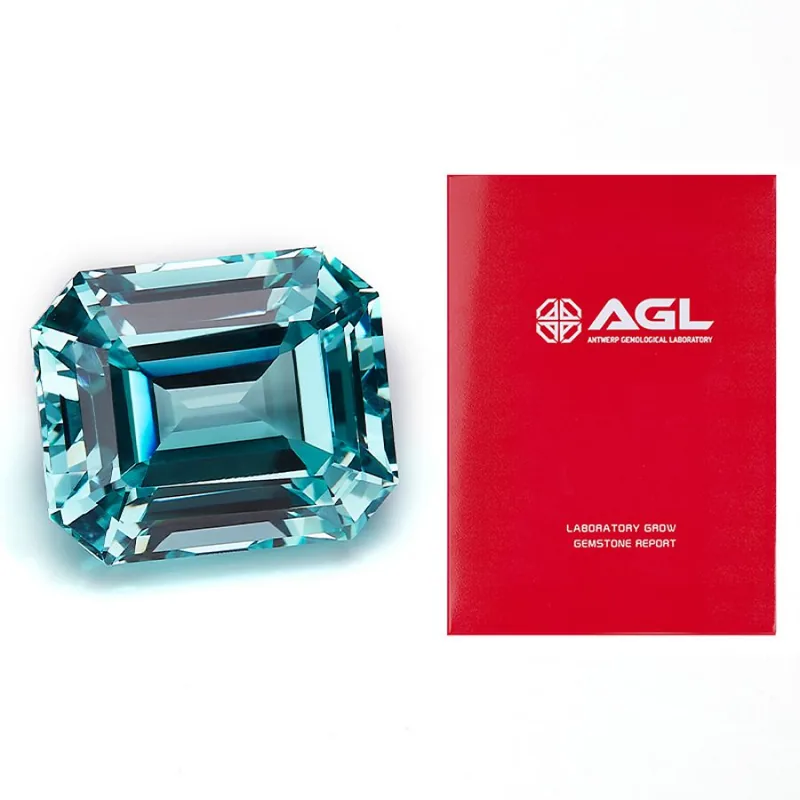
Selling loose lab-grown gemstones into the US means four compliance questions before the first carton: what the metal stamp says, what the nickel release is, what the California warning requires, and what the entry paperwork states.
IStamps and metal claims
Sterling must be stamped 925 or Sterling. Gold must carry the karat, and the stamp must match the actual content within tolerance. On loose lab-grown gemstones, a stamp that overstates purity is a misrepresentation, not a labelling slip.
Plated goods may carry the base metal stamp but must not be described as solid gold. The description and the stamp have to agree.
Set the reorder point from sell-through and lead time, not from the MOQ. Stock cover is a calculation, not a feeling.
IINickel release
Nickel release is regulated in the EU and treated as a sensitizer in US retail programs. Ask for a nickel release test on the alloy and on the plated finish, and keep the report with the PO.
On loose lab-grown gemstones, the highest-risk parts are ear posts and clasps, because they sit against skin longest.
| Topic | Evidence | Owner | Frequency |
|---|---|---|---|
| Metal stamp | Stamp photo, XRF | Factory | Per lot |
| Nickel release | Test report | Factory | Annual |
| Prop 65 | Component test | Buyer decides | Per material |
| Import docs | Invoice, HTS | Buyer and broker | Per shipment |
Read the table as a checklist rather than a recommendation. The right row depends on the price band, the wear pattern and the channel you sell into.
Ask for the mill certificate and the stone invoice. Two documents turn a material claim into something an auditor can check.
IIICalifornia Prop 65
Prop 65 requires a warning for listed chemicals above exposure thresholds. For jewelry, lead and cadmium in components and in plating are the usual focus. Ask for a component-level test, not a whole-product statement.
Put the warning decision in writing for each loose lab-grown gemstones SKU. A generic site-wide warning is weaker than a per-SKU determination.
IVImport paperwork
The commercial invoice needs the correct classification, the country of origin, the material composition and the value per line. A vague description slows entry and invites a exam.
Keep the HTS code consistent across shipments. A changed code without a changed product is a documentation risk.
Write the remedy before the defect. A matrix agreed in calm weather is the only thing that settles a claim in a storm.
VWhat to check before the order
Run the five checks below in order. The first two protect the money, the last three protect the launch date.
- Make the stamp match the content.
- Test nickel at the posts and clasps.
- Decide Prop 65 per SKU, in writing.
- Keep one HTS code per product family.
- Store every test report with the PO.
If a supplier cannot answer three of the five, treat the quote as a starting point rather than a plan. Ask again in writing and keep the answer with the PO.
VIFrequently Asked Questions
What stamp does loose lab-grown gemstones need?
925 or Sterling for silver, the karat for gold, and the maker's mark where required. The stamp must match the tested content.
Is nickel testing required in the US?
It is not a federal requirement in the same way as the EU, but major retailers and platforms ask for it. Keep a current report.
When does Prop 65 apply?
When a listed chemical exceeds the exposure threshold. For jewelry, lead and cadmium in components are the usual concern.
Can I use one HTS code for all jewelry?
No. Classification follows material and construction. Ask your broker for the code per family and keep it stable.
What is the most common compliance failure?
A description that overstates the metal or the stone. The fix is a spec sheet that matches the test.
What is the fastest way to lose money on a first order?
Skip the trial lot and accept an average gram weight. Both hide the problem until rework is at lot scale.
Send the loose lab-grown gemstones material list. We return the stamp, nickel, Prop 65 and HTS checklist with the evidence each claim needs. See the full range at Loose Lab-Grown Gemstones and HOLYCOME.
None of this is exotic. It is a document, a measurement and a date, repeated until it becomes a process.


