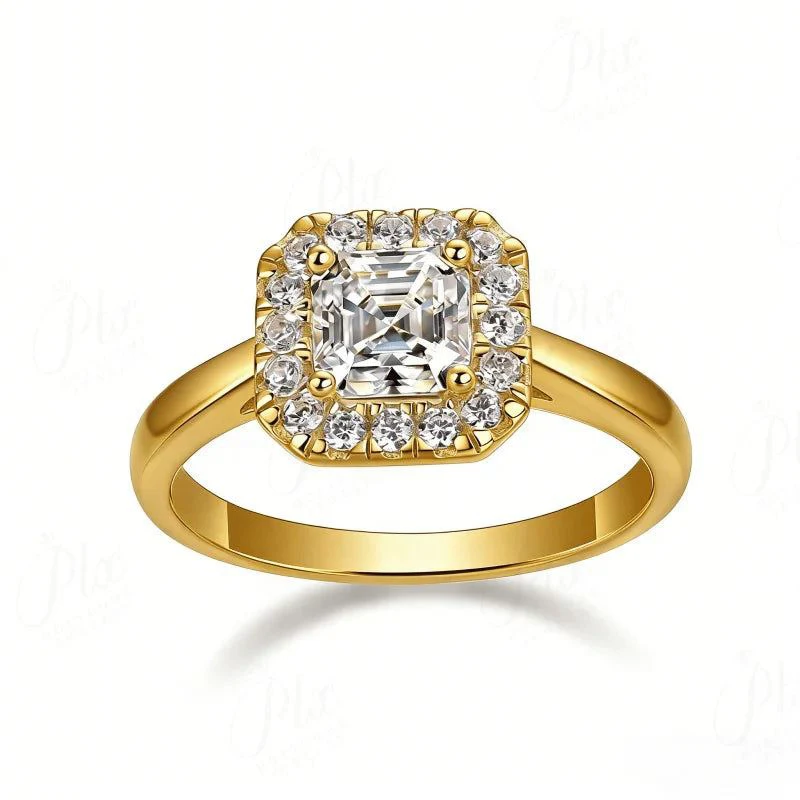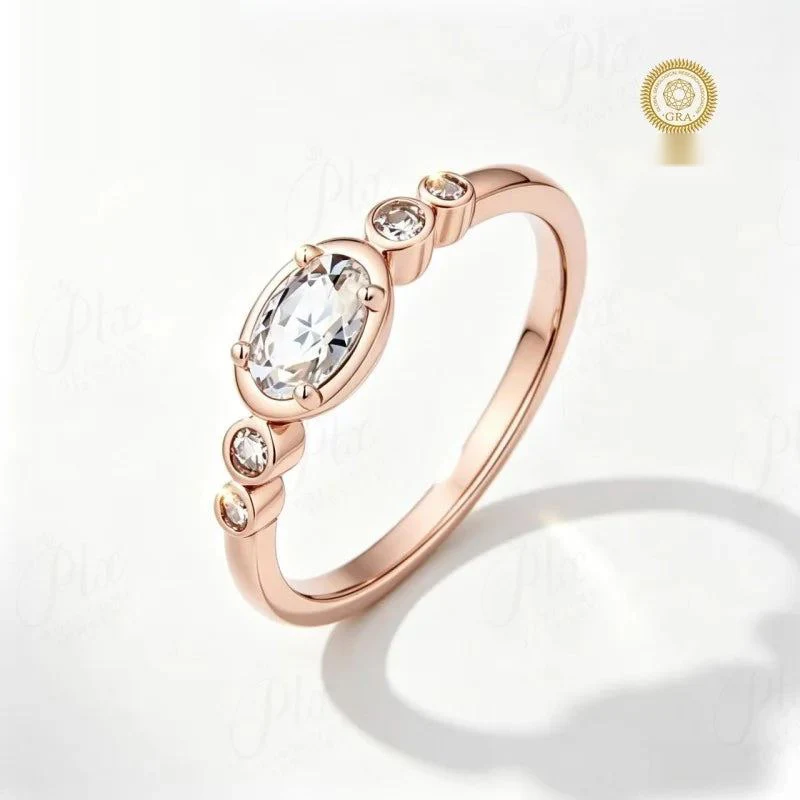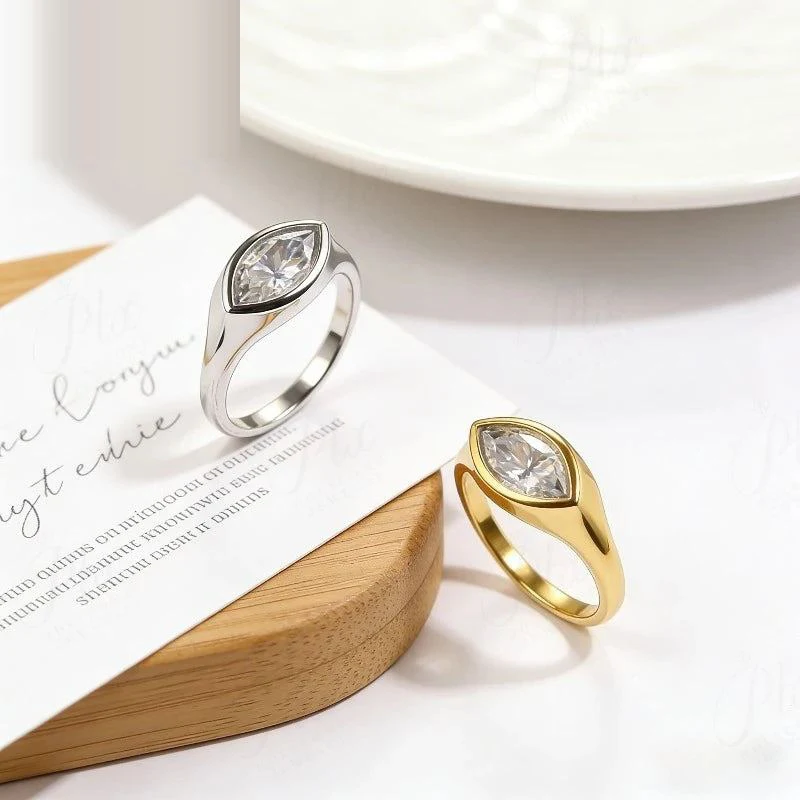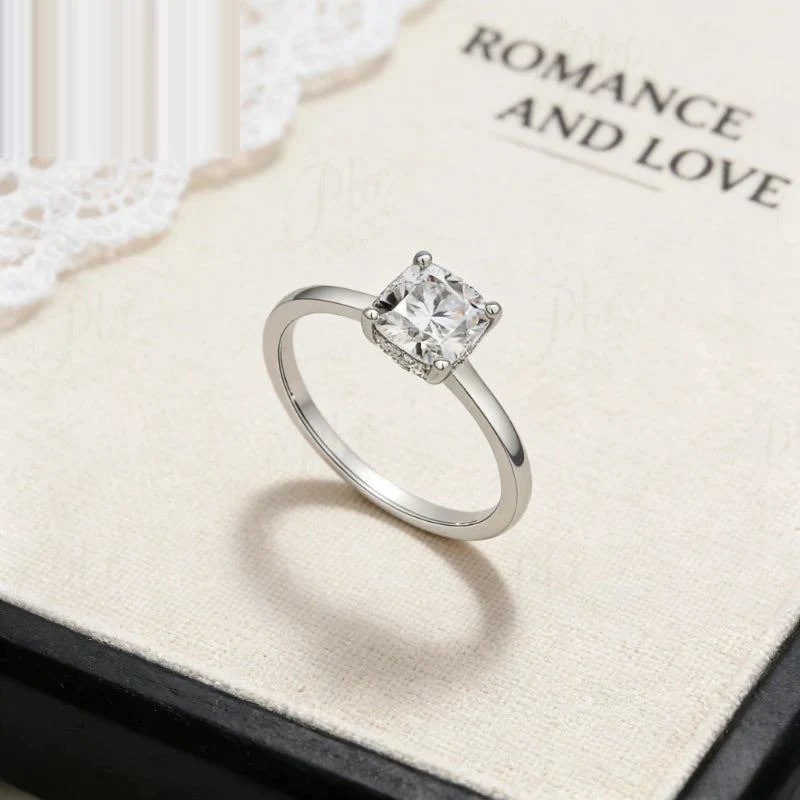
When a finished bespoke ring leaves our bench, it goes home with a little folder: the stone certificate, the receipt, and a written appraisal. Clients often assume that piece of paper states what the ring is "worth," and then are surprised later when a jeweler offers them a fraction of that number. The confusion is completely understandable, because an appraisal is not what most people think it is.
IAn appraisal is an insurance document, not a sale price
The number on a standard jewelry appraisal is the replacement value—what it would cost to replace the ring at today's retail prices if it were lost or stolen tomorrow. That figure is intentionally set high enough that an insurer can actually buy you a comparable piece. It is not what you would get if you sold the ring, and it was never meant to be.
Think of it like your car's insured value versus its trade-in offer. They are two different numbers for two different jobs. Confusing them is the most common and most expensive misunderstanding in fine jewelry.
IIThe three values you should keep separate
Replacement value is the appraisal number—retail cost to replace.Fair market value is what a knowledgeable buyer and seller would agree on in an open market, usually lower.Resale value is what you can actually get today, which for most jewelry is the lowest of the three, because retail markup, labor, and sentiment do not transfer to a secondhand buyer.
We tell clients this plainly because it protects expectations. A custom ring carries enormous sentimental and craft value, but that does not translate into a high resale number. If you want to insure a bespoke engagement ring, you use the replacement value. If you ever want to sell, you will hear the resale number—and they are not the same conversation.
IIIWhy you need the appraisal in the first place
Homeowners and renters insurance usually covers jewelry only up to a small fixed limit, and often excludes "mysterious disappearance"—the ring slipping off your finger in a lake. A scheduled jewelry rider requires a current appraisal to underwrite the policy. Without that document, an insurer may settle at a fraction of what the ring cost.
If you have a moissanite center stone, note that insurers price it differently from mined diamond; our guide to whether you should insure a moissanite ring walks through how the policy is built around the stone.
IVHow often should an appraisal be updated?
Gold prices, gemstone costs, and labor rates move. An appraisal written five years ago will understate today's replacement cost, which means you are underinsured without realizing it. We recommend refreshing the appraisal every three to five years, or any time you redesign or upgrade the piece. It is a small cost compared with the gap it closes.
VWhat a good appraisal actually contains
A meaningful appraisal is a detailed document, not a single number. It describes the metal, the stone weight and measurements, cut and color grades, any serial numbers or certificates it references, and clear photographs. It should be written and signed by a qualified appraiser, not generated by the shop that sold you the ring. The independence is the point—an insurer needs a neutral description, not a sales receipt restated.
Keep in mind that the appraisal is tied to a specific description of the piece. If you add an engraving, swap a stone, or stack a new band, the document should be updated so the jewelry scheduled on your policy matches what is actually in the box. We have seen clients lose out because an insurer compared a loss to a five-year-old appraisal that did not list a side-stone upgrade. It is a twenty-minute check-up, and it closes a gap that would otherwise only show up at the worst possible moment.
One situation clients rarely anticipate: when you redesign or upgrade the ring, the old appraisal no longer describes the piece you now own. The metal may be the same, but the setting, the stones, and the workmanship are different—so the policy attached to the old appraisal will not cover the new ring correctly. Whenever a piece leaves the bench after a redesign, treat a fresh appraisal as part of the job, the same way you would update a will after a move. It is a small step that prevents a very large disappointment if the unthinkable happens.
VIThe honest bottom line
Keep the appraisal in a safe place, use it to schedule the ring on your insurance, and refresh it every few years. But do not treat it as a statement of what the ring is worth to you. The value that matters—the craftsmanship, the story, the way it sits on your hand—is real, and it is simply not the kind of value a document can price. That is not a flaw in the paper. It is the difference between insuring a ring and loving one.
For third-party reference, the Wikipedia article on moissanite details moissanite’s discovery, optical properties and use in jewelry.
VIIFrequently Asked Questions
How do I verify a factory before placing a bulk order?
Request a production video, business license, export records and a paid sample run. A factory that accepts a 50-piece test order is usually a real manufacturer.
What payment terms do you offer?
We confirm payment terms in writing, with the deposit and balance detailed on your PI. This protects both sides on first orders and can move to net terms after a track record.
What is your normal reject rate?
3–5% under 10x loupe inspection for cast and set pieces. Defective units are replaced free in the next shipment.
Where is the factory located?
Wuzhou, Guangxi, China—the core lab-grown and moissanite manufacturing cluster. Shipments go via Guangzhou or Shenzhen ports.