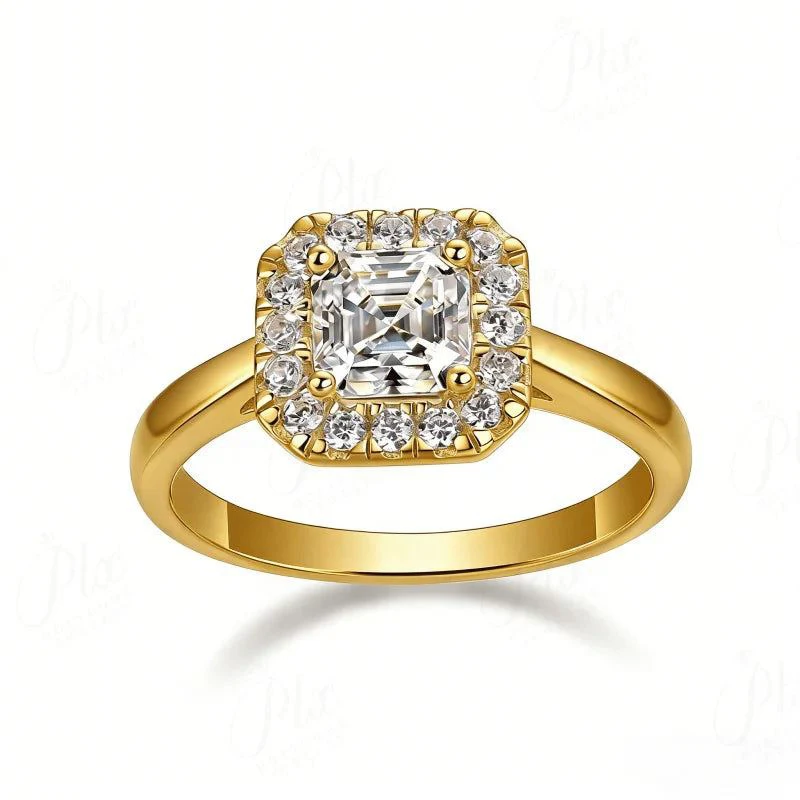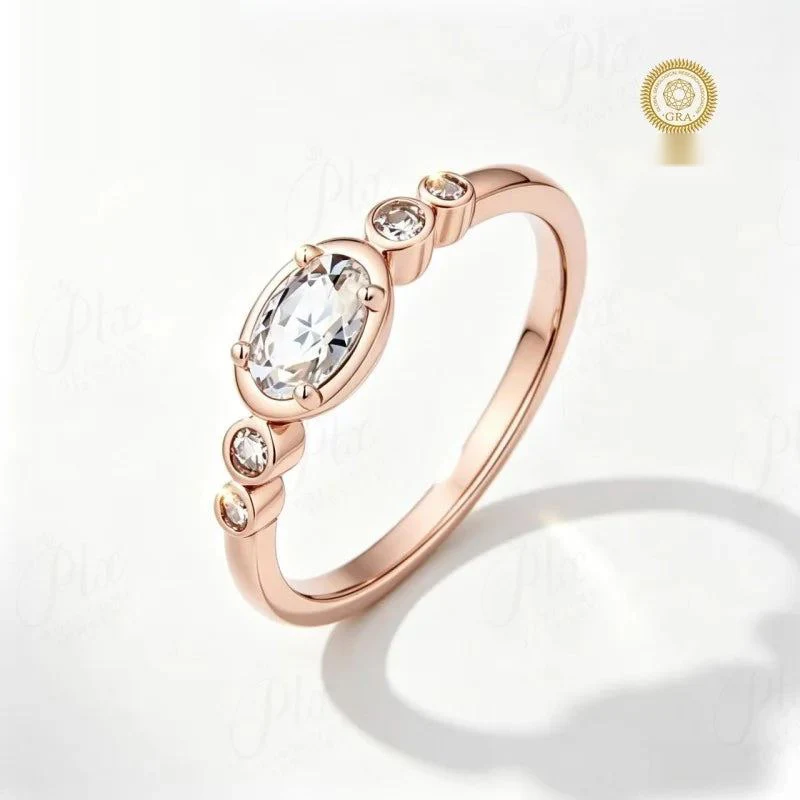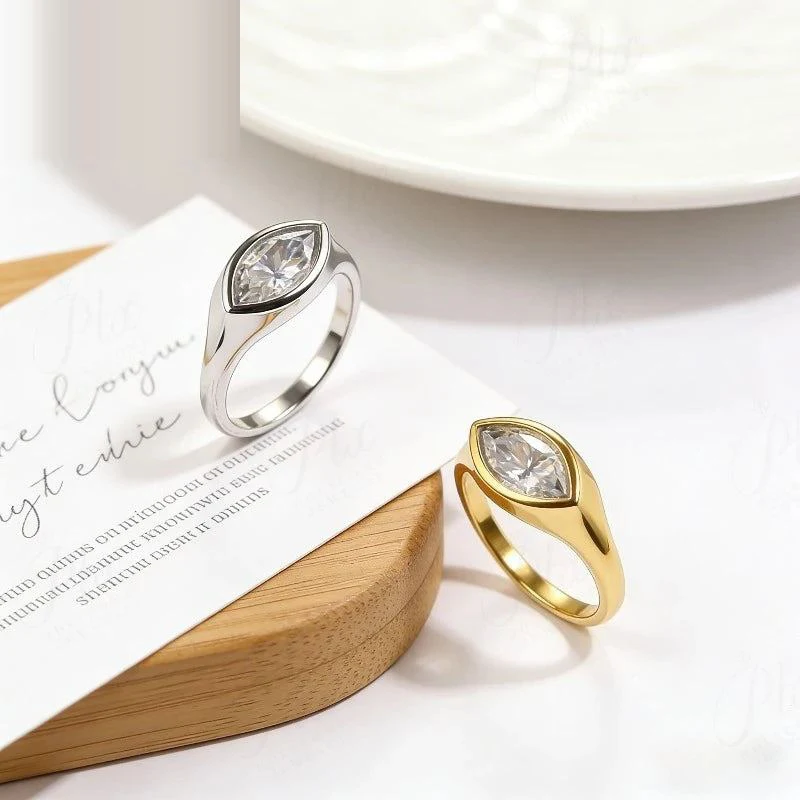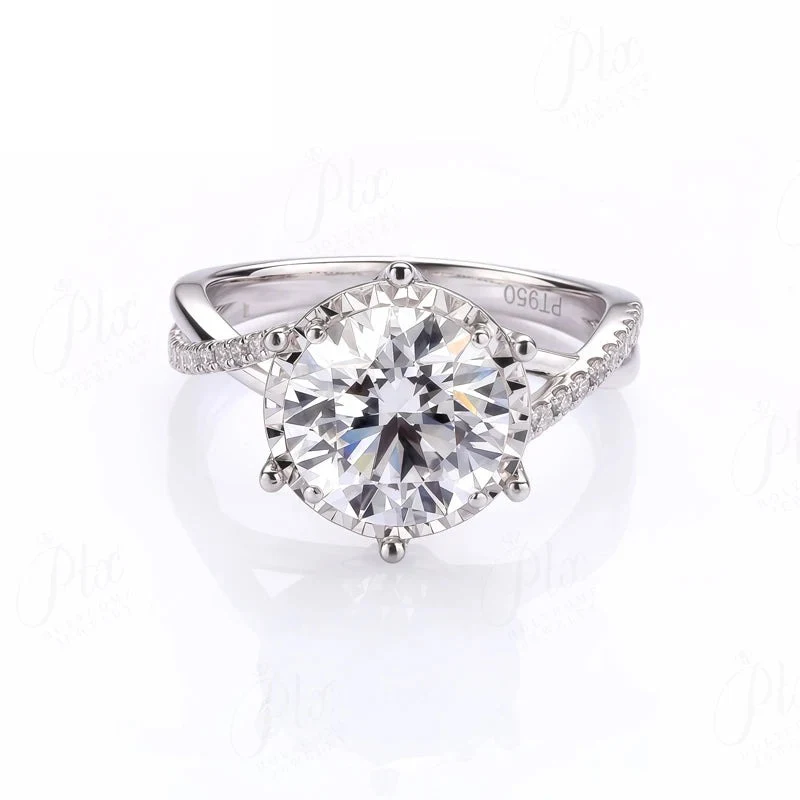
If you have ever read a jewelry appraisal, you have likely seen a number far higher than the price you paid—and, confusingly, far higher than anyone would offer to buy the ring back for. Both numbers are real, and neither is the "true" value of the ring. A jewelry appraisal is a specific document written for a specific purpose, and once you understand what that purpose is, the numbers stop looking contradictory. At our atelier, we provide an appraisal with every bespoke commission, and we walk every client through what it means before they leave.
IWhat an appraisal actually is
An appraisal is a written, signed description of a piece of jewelry—its metal, its stone weights, cuts, colors, clarities, its craftsmanship, and a stated value—prepared by a qualified gemologist or jeweler. It is not an offer to buy. It is not a resale price. It is a document written so that an insurance company can agree on what it would cost to replace the item, new, in the event of theft, loss, or damage. The value on that document is the replacement value, and it is almost always higher than what you paid, because it reflects retail replacement through a jeweler, including markup, labor, and the current price of an equivalent new stone.
IIReplacement value vs resale value vs what you paid
Three numbers float around any piece of jewelry, and they are rarely the same.What you paid is the transaction price—discounted, bespoke, direct-from-bench, or retail, depending on where you bought.Replacement value is the figure on the appraisal, used by insurance, and is typically the highest of the three.Resale value—what a dealer would offer you for the piece today—is typically the lowest, because dealers buy at wholesale and cannot resell a one-of-a-kind piece as easily as a branded item. None of these is a trick; they are three different prices for three different transactions. Understanding this prevents the common disappointment of discovering that an appraised $10,000 ring will not sell for $10,000.
IIIWhy you need one for insurance
Homeowner's and renter's insurance policies usually cover jewelry only up to a small fixed limit—often $1,500 or $2,000—unless you schedule the piece separately. To schedule a ring, the insurer requires a current appraisal describing exactly what is being insured. Without it, in the event of a loss, the insurer will pay a generic amount, not the cost of replacing your specific bespoke ring. We go deeper on this in our guide to insuring a bespoke engagement ring. The key point: the appraisal is the policy's anchor, so it needs to be accurate and current.
IVHow often an appraisal should be updated
Gold prices and diamond prices move, sometimes significantly, over five or ten years. An appraisal from 2015 will under-insure a ring in 2026, because replacing it today costs more than the document says. Most insurers and gemological bodies recommend reappraising every three to five years, or whenever you notice a large move in metal or stone prices. If you add stones, resize significantly, or redesign the piece, get a fresh appraisal immediately—the old one no longer describes the object.
VWhat makes a good appraisal
A useful appraisal will name the metal karat, describe and weigh each stone individually, state cut, color, and clarity grades with the laboratory that issued them (GIA, GIA-certified, etc.), note any treatments, describe the craftsmanship, and carry the gemologist's credentials and signature. A one-line document that says "diamond ring, $X" is not enough for an insurer to defend a claim. If your appraisal is thin, ask us or a gemologist for a fuller report; the small cost now saves a disputed claim later.
VIBespoke pieces and valuation
Because bespoke jewelry is one of a kind, replacement is not a matter of walking into a store and picking the same ring off a shelf. The appraisal has to describe the design well enough that a jeweler could recreate it. We build this into our own appraisal process by including drawings, measurements, and stone details, so that a like-for-like replacement is actually possible. This is one of the quiet advantages of commissioning bespoke rather than buying off the rack: the documentation is designed to defend the piece, not just price it.
A common mistake is confusing the store receipt with an appraisal. A receipt proves what you paid; an appraisal proves what the item is worth to replace. They serve different purposes, and insurers want the latter. If you commissioned a bespoke ring, ask the atelier whether the appraisal they provide is a full retail-replacement document or a simpler invoice-style letter. If it is the latter, an independent gemologist can convert it into an insurable report for a modest fee, and it is worth doing before the ring leaves the workshop.
Treat your appraisal the way you treat the ring itself—keep it in a safe place, update it on schedule, and read it once so the numbers make sense. It is not a prophecy of value; it is a receipt for the promise you made to protect something you love.
Gemstone grading terminology used here follows the Gemological Institute of America’s gem encyclopedia.
VIIFrequently Asked Questions
How do I verify a factory before placing a bulk order?
Request a production video, business license, export records and a paid sample run. A factory that accepts a 50-piece test order is usually a real manufacturer.
What payment terms do you offer?
Payment terms, including the deposit and balance schedule, are set out in the order agreement. This protects both sides on first orders and can move to net terms after a track record.
What is your normal reject rate?
3–5% under 10x loupe inspection for cast and set pieces. Defective units are replaced free in the next shipment.
Where is the factory located?
Wuzhou, Guangxi, China—the core lab-grown and moissanite manufacturing cluster. Shipments go via Guangzhou or Shenzhen ports.