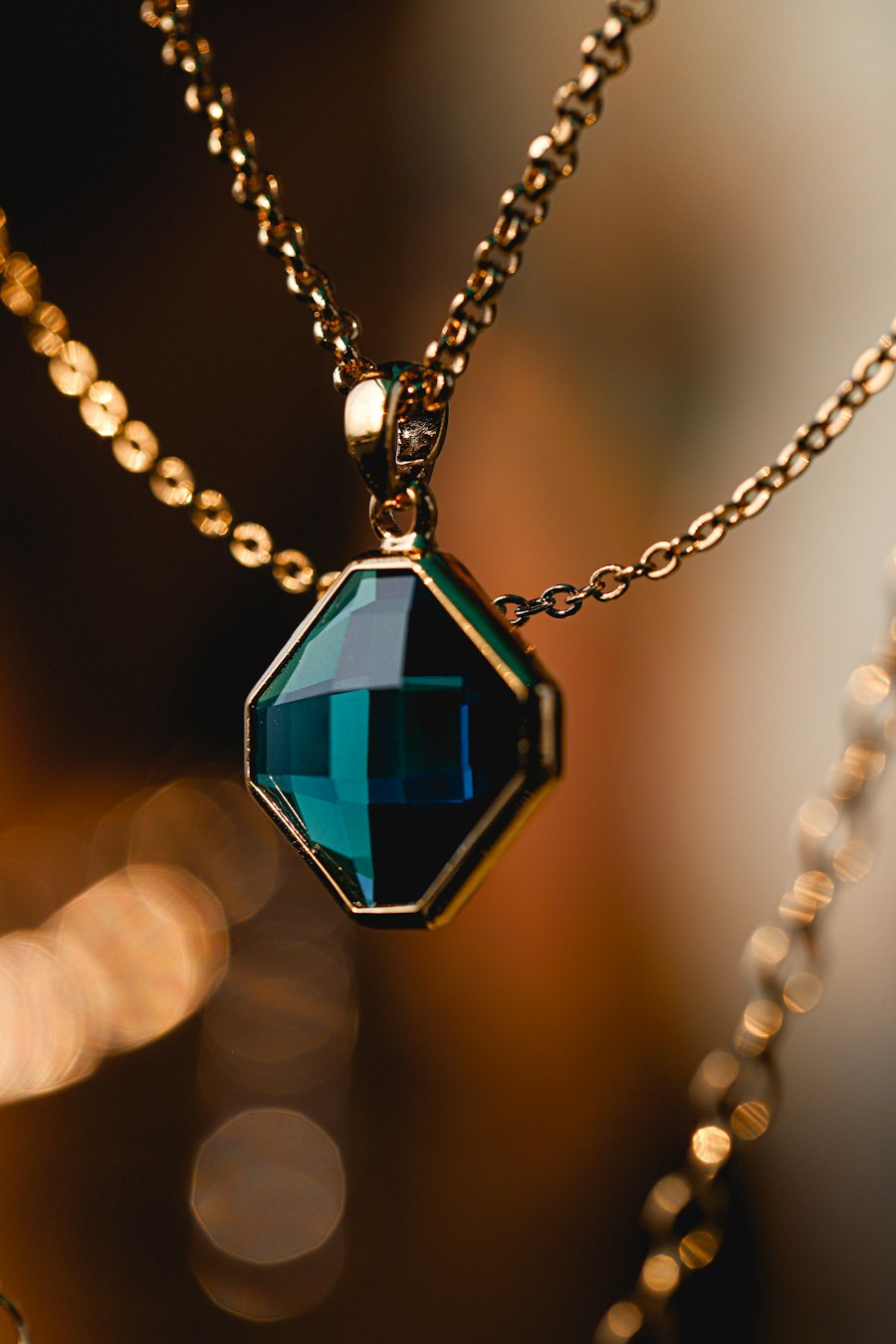
When clients fall in love with a colored gemstone, the conversation almost always starts with color. "I want that exact teal," or "I have always dreamed of an emerald." We cheer them on, because color is the reason a piece of jewelry exists. But then we have a quieter conversation about hardness, and it is the one that determines whether the stone they chose is still beautiful in ten years. The Mohs scale is the tool we use for that conversation, and it is worth understanding before you commission anything set with a colored stone.
The Mohs scale rates a mineral's resistance to scratching on a 1-to-10 scale. Diamond is 10, the hardest. Quartz is around 7. Pearls are soft, around 2.5. The scale is ordinal, not linear: the gap between a 9 and a 10 is much larger than the gap between a 6 and a 7. That detail matters when you compare stones. A sapphire at 9 is not "a little harder" than an amethyst at 7; it is dramatically more resistant to the everyday scratches that accumulate in a handbag, on a desk, and against a counter.
Hardness versus toughness
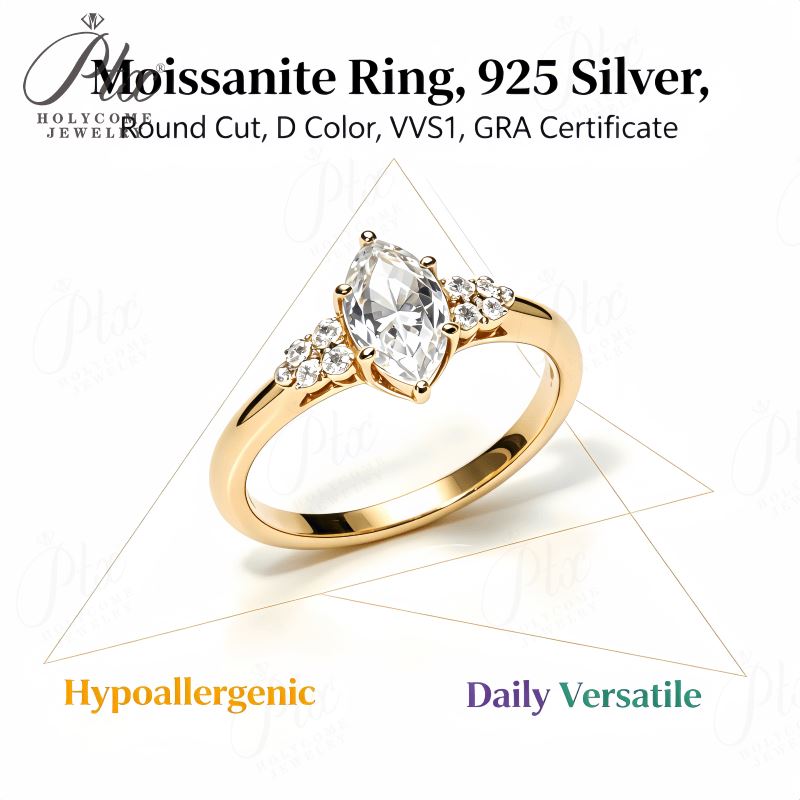
This is the part the internet gets wrong. Hardness is resistance to scratching. Toughness is resistance to chipping and breaking. They are related but not the same. Emerald is a great example: it is fairly hard, around 7.5 to 8, but it has natural internal fissures that make it chip or crack if struck sharply. Opal is softer and also fragile. A diamond is both extremely hard and extremely tough, which is part of why it became the default engagement ring stone. Moissanite, our most common center stone, comes in around 9.25 on the Mohs scale and holds up beautifully to daily wear; we cover the honest comparisons in moissanite versus diamond.
What hardness means for the piece you wear
A stone that scores below about 7 is generally a poor choice for a ring you wear every day, especially on the dominant hand. Pearls, opals, and softer stones look magnificent in earrings and pendants, where they meet almost nothing, but they will scratch and abrade on a hand. Stones between 7 and 8 — garnet, peridot, tourmaline — work well in rings that see lighter use, and very well in pendants. Stones at 8 and above — sapphire, ruby, moissanite, spinel — are reasonable candidates for daily-wear rings. Our guide to colored gemstones for engagement rings walks through which colors hold up in a hand worn ring.
Setting choice changes the math
The setting is not just decoration; it is armor. A stone set in a protective bezel, with its edges covered by metal, can tolerate a lower hardness than the same stone in a four-prong setting that catches on surfaces. A stone worn on the non-dominant hand ages better than one on the dominant hand. A ring that lives in a glove tray at the office ages better than one worn through gardening and gym sessions. We factor all of this into the design. If you fall in love with a softer stone, we can usually find a setting that protects it enough to make daily wear realistic.
Cleaning and care
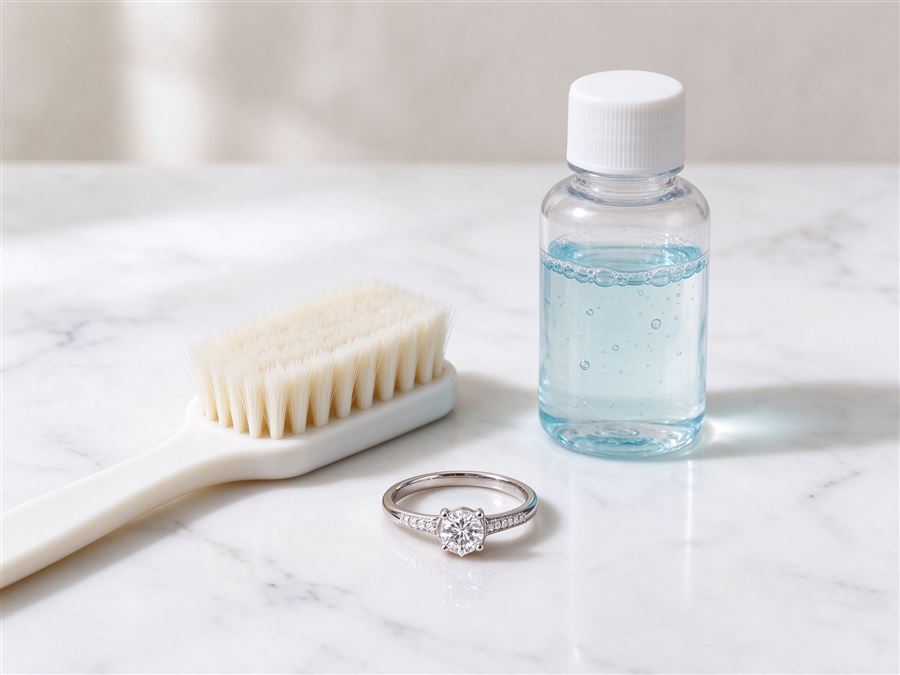
Harder stones can handle more; softer stones need gentler care. Ultrasonic cleaners, safe for most diamonds and sapphires, can shake liquids out of fissures in emeralds and opals. Abrasive jewelry cloths will scratch softer stones faster. Warm soapy water and a soft brush remain the universal safe answer, which is why we recommend it in our at-home cleaning guide.
Concrete examples help. A sapphire engagement ring worn on the dominant hand will show faint scratches after ten years but will still look crisp and clean to the eye. An emerald ring worn the same way will show abrasion on the girdle and may chip if it is knocked against a desk. A ruby bracelet on the wrist takes more abuse than a ruby ring because the wrist sweeps across surfaces, so we tend to set rubies in bracelets in protective bezels rather than prongs. A tanzanite pendant, hanging inside a blouse, will look essentially new after twenty years because it almost never meets anything. The same tanzanite in a ring would cloud noticeably. Context is everything, and that is why we ask about your daily routine before recommending a stone.
We also tell clients that the most durable stone in the world is a poor choice if you hate its color. A diamond that you love will be worn and admired. A sapphire that you chose for its durability but find cold will sit in a drawer. The right design balances longevity with desire; the atelier's job is to find the stone you want in a setting that protects it, rather than to talk you into a stone you did not want because of a number on a scale.
The most beautiful gemstones are not always the toughest, and the toughest are not always the most beautiful. The atelier's job is to find the overlap between the color you want and the life you live. The Mohs scale is just the starting point of that conversation.