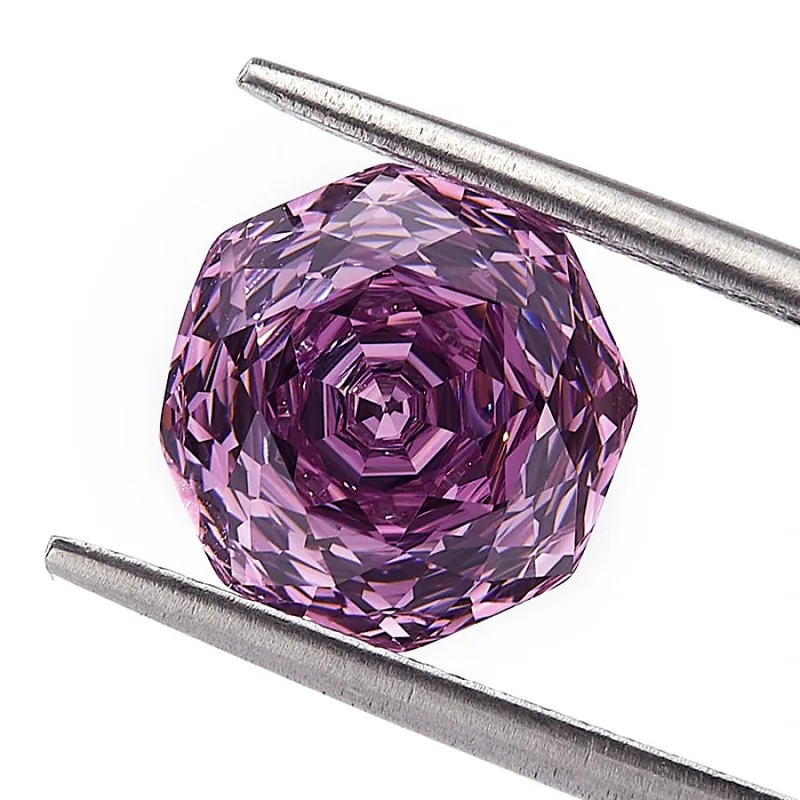
A custom bridal sets fails in one of two places: the CAD is approved before the stone is sourced, or the bench 'adjusts' the model to make it castable. Both are avoidable with a staged approval.
IStage one: the brief that survives translation
Give the factory five inputs: reference image, stone size in millimetres, metal and karat, finger size or chain length, and the retail price ceiling. Without the price ceiling, the CAD comes back beautiful and unmakeable at your margin.
Ask for a dimensioned drawing, not a render. A render hides the gallery height and the prong thickness, which are the two places a design fails.
Put the forecast window in writing. Capacity priority follows predictability, not friendship.
IIStage two: CAD approval with three checkpoints
Checkpoint one is stone seat depth: the stone must sit below the prong tips. Checkpoint two is minimum wall thickness at the shank. Checkpoint three is the casting allowance, usually 3 to 5 percent shrink.
Approve in writing at each checkpoint. A single 'looks good' message on bridal sets is how a 1.8 mm shank becomes 1.4 mm after polishing.
| Stage | Deliverable | Approval gate |
|---|---|---|
| Brief | Dimensioned drawing | Stone size, metal, ceiling |
| CAD | STEP file, wall thickness | Written sign-off |
| Wax or print | Photo of the model | Seat and prong check |
| First article | One cast piece | Porosity and size check |
| Batch | Production run | AQL inspection |
Read the table as a checklist rather than a recommendation. The right row depends on the price band, the wear pattern and the channel you sell into.
Write the remedy matrix before the first defect: remake, credit, allowance or rework, each tied to a defect class.
IIIStage three: wax, cast and the first article
Ask for a photo of the wax or the resin print before casting. Ask for the first cast piece before the batch. That first article is where you catch porosity, a shifted seat or a prong that is too short.
Only after the first article passes should the batch run. Skipping it saves three days and costs a full lot.
IVStage four: who owns the model
The CAD file is an asset. Put ownership in writing: the buyer owns the model after the mold fee is paid, and the factory will not reuse it for another client.
Without that clause, your custom bridal sets can appear in another buyer's catalog two seasons later.
Keep the approved sample and the CAD together. One proves what was agreed, the other proves what was made.
VWhat to check before the order
Run the five checks below in order. The first two protect the money, the last three protect the launch date.
- Give five inputs, including the price ceiling.
- Approve a dimensioned drawing, not a render.
- Check stone seat depth and wall thickness.
- Photograph the wax before casting.
- Put CAD ownership in the contract.
If a supplier cannot answer three of the five, treat the quote as a starting point rather than a plan. Ask again in writing and keep the answer with the PO.
VIFrequently Asked Questions
How long does a custom bridal sets CAD take?
Three to seven days for a first model, longer if the stone has to be sourced first.
Who should own the CAD file?
The buyer, after paying the mold fee. Ask for the clause in writing before the first order.
Can I reuse the mold for another size?
Often yes, with a size adjustment. Ask whether the factory charges a new mold for a size change.
Why does the cast piece come out smaller?
Casting shrink, typically 3 to 5 percent, plus polishing loss. The CAD should carry the allowance.
What if the first article fails?
Fix the model, re-cast, and do not release the batch. A failed first article is the cheapest failure you will get.
How do I compare two quotes for this item?
Split both into metal, stone, labor, finishing and overhead, then compare line by line. A single total hides the specification difference.
Send the bridal sets reference image and stone size. We return a dimensioned CAD, a first-article photo and the mold fee quoted separately. See the full range at Bridal Sets and HOLYCOME.
Buyers who get consistent lots are not luckier. They wrote the spec down and checked the first carton against it.


