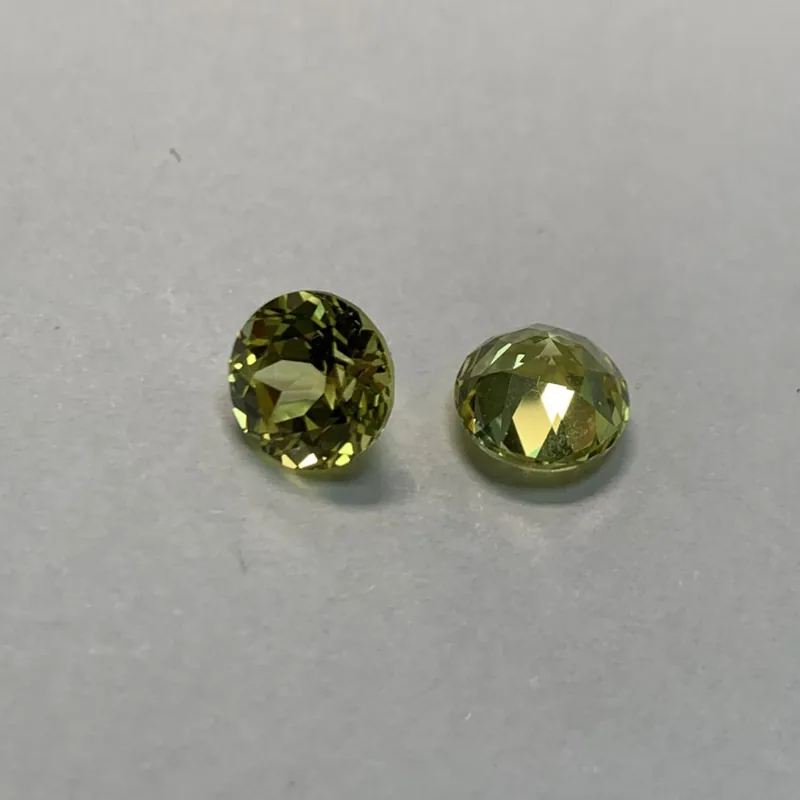
A bridal necklaces page can look complete and still leave the buyer without the one number that matters.
IThe same design is not the same product in two channels
A Bridal Necklaces design sold to a boutique and the same design sold direct carry different expectations, different price logic and different disclosure obligations. The range holds 346 designs in this category.
Treating them as one listing is the fastest way to confuse both audiences.
The stone concentration matters at the listing level: 100% of the range can be described with one consistent disclosure line.
Where the stone changes, the price band usually changes with it, which is why moissanite at 100% anchors the core of the range.
IIWhere the framing diverges
| Dimension | Wholesale framing | Retail framing |
|---|---|---|
| Price | Per unit at a tier | Per piece with margin built in |
| Copy | Specification first | Outcome first |
| Photos | Six frames, neutral | Styled, lifestyle-led |
| MOQ | Central to the offer | Irrelevant to the shopper |
Moissanite is the dominant stone at 100%.
346 designs means the shortlist can be assembled from stock patterns rather than from development requests.
IIIWhy MOQ must not appear in retail copy
A minimum order quantity is a trade term. On a consumer page it reads as a restriction and suppresses conversion. It belongs in the wholesale page and in the line sheet, not in the product description.
IVCopy that works in both places
- Describe the build, not the buyer
- Keep disclosure language identical in both channels
- Use the same specification table, different emphasis
- Never publish a wholesale tier on a retail page
Reference designs in the range include Tennis Style Bridal Necklace; Bridal Necklace 0001; Bridal Necklace 0002.
VChoosing which channel leads
A category with deep stock and simple builds sells well wholesale. A category with strong styling and a story sells well direct. Most ranges support both, but only one should lead the copy.
VIRange snapshot: Bridal Necklaces by the numbers
Moissanite is the dominant stone at 100%.
| Dimension | Reading | Buying note |
|---|---|---|
| Designs on file | 346 | Shortlist can come from stock patterns |
| Dominant stone | moissanite (100%) | Sourcing already settled |
Moissanite is the dominant stone at 100%. Read the snapshot before the shortlist: a category that is narrow in metal but deep in cut behaves differently from one that is the other way round.
VIIFrequently Asked Questions
Can the same page serve both audiences?
Rarely well. The specification can be shared, but the framing, the price display and the call to action have to differ.
Should wholesale prices be visible publicly?
Usually not. Tiers belong behind a trade login or in a line sheet, not on an indexed page.
Is the disclosure wording the same?
Yes. Stone origin and metal claims do not change with the channel, and neither does the obligation to state them.
Which channel has better margin?
Direct usually carries more margin per unit and more cost per sale. The comparison belongs in the landed sheet, not in the price list.
How do I stop channels competing?
Differentiate by assortment and by naming, not by discounting the same design in two places.
If you want to work from the current range rather than from a catalog PDF, send the two price slots you sell and the size bands you stock. We will reply with the designs that fit, the build on each, and the reorder path. HOLYCOME keeps the full range in one place.
The checklist below is the short version of everything above, and it is worth running before the quote rather than after the order.
- Confirm the design is a stock pattern and not a new build
- Match the base metal and finish against the spec sheet
- Check the stone origin wording before it goes on a listing
- Quote every design at the same MOQ tier before comparing
- Ask which design in the same price slot absorbs a stock-out


