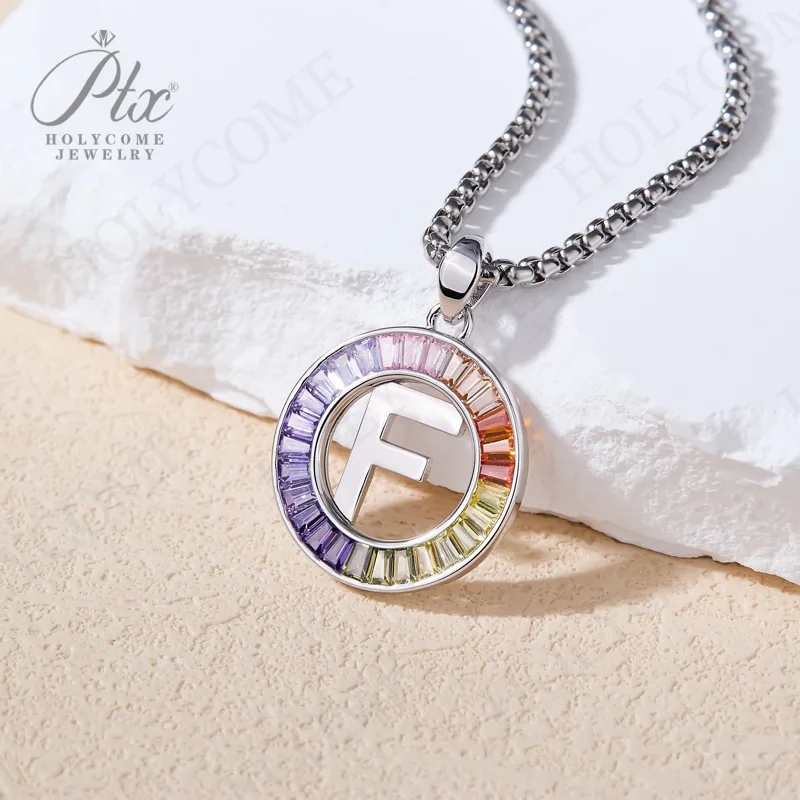
On bridal necklaces, a certificate is a grading document, not a brand asset. Buyers who treat it as marketing end up with listings that overstate, and overstated listings are the ones that get pulled.
IWhat the common reports actually cover
Lab reports describe the stone: weight, color, clarity, cut and measurements. They do not describe the metal, the plating or the setting. On bridal necklaces, that means the report covers one part of the product, not the product.
Read the comments section. Treatments, growth method and any clarity enhancement are stated there, and that is the part a listing must disclose.
Sample by size run, not from one mixed tray. Defects cluster by size and by design, and a mixed sample hides both.
IIDisclosure language that survives review
Three statements do the work: the stone type in the title, the treatment in the description, and the metal purity with the stamp. Add lab grown or natural explicitly; never leave it implied.
For bridal necklaces, write the disclosure once in the spec sheet and reuse it in every listing. Inconsistent wording across channels is the most common audit finding.
| Claim | Evidence | Where to state |
|---|---|---|
| Stone type | Lab report or invoice | Title and description |
| Treatment | Report comments | Description |
| Metal purity | Stamp and XRF | Spec sheet |
| Plating | Micron spec | Spec sheet |
| Nickel release | Test report | Compliance page |
Read the table as a checklist rather than a recommendation. The right row depends on the price band, the wear pattern and the channel you sell into.
Put the gram weight per size on the PO, not an average. Cost and feel both follow weight, and an average hides the size that breaks the margin.
IIICertificate cost and when it is worth it
A report adds cost per stone and adds handling time. It is worth it when the retail price supports the premium and the buyer asks. It is not worth it on a USD 40 fashion piece.
Ask for the report number and verify it on the issuing lab's site before you publish. A number that does not resolve is worse than no number.
IVMetal and plating claims
Sterling must be stamped 925. Gold must carry the karat stamp. Plated goods must not be described as solid gold. Nickel release is a separate standard and should be stated if you sell into the EU or California.
These four lines are the ones a bridal necklaces listing most often gets wrong.
In practice, the first lot answers more than the quote does. Weigh ten pieces, measure five stones and rub three contact points, and the specification stops being a claim.
VWhat to check before the order
Run the five checks below in order. The first two protect the money, the last three protect the launch date.
- Verify every report number before publishing.
- State lab grown or natural explicitly.
- Stamp the metal and state the purity.
- Never describe plated goods as solid gold.
- Keep one disclosure sheet across all channels.
If a supplier cannot answer three of the five, treat the quote as a starting point rather than a plan. Ask again in writing and keep the answer with the PO.
VIFrequently Asked Questions
Do I need a certificate for every bridal necklaces stone?
No. Certify the stones whose retail price supports the premium. For the rest, state the grade and the type accurately.
Is a GRA card the same as a lab report?
No. A GRA card is a moissanite merchant document, not a grading report from a major lab. Describe it as what it is.
What must a lab grown listing say?
That the stone is lab grown, plus the treatment and the metal purity. Leaving it implied is the risk.
How do I check a report number?
Go to the issuing lab's verification page and enter the number. If it does not resolve, do not publish the claim.
Does plating need disclosure?
Yes, at least as a plating specification. Describing a plated piece as solid gold is a misrepresentation.
What is the fastest way to lose money on a first order?
Skip the trial lot and accept an average gram weight. Both hide the problem until rework is at lot scale.
Send the bridal necklaces spec and the reports you hold. We return a disclosure sheet mapped to the claims your listing can legally make. See the full range at Bridal Necklaces and HOLYCOME.
The short version: specify the number, seal the sample, inspect against both. Everything else is negotiation.


