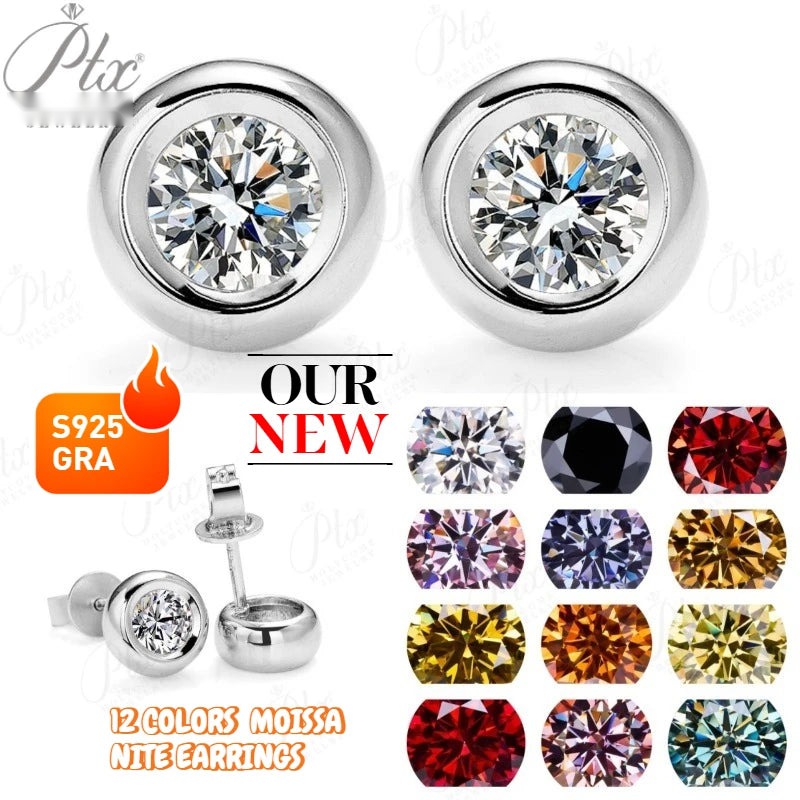
The metal decision on bridal earrings sets the retail price band, the returns rate and the repair policy. It is a commercial choice before it is a metallurgical one.
I925 sterling silver: the volume base
Sterling is 92.5 percent silver with copper and a trace of other metals. On bridal earrings, it is the metal that makes a USD 30 to 90 retail price possible, and it is the metal most exposed to tarnish and plating wear.
The two variables that decide quality are alloy source and plating thickness. A good sterling piece with 0.8 micron rhodium outlasts a cheap piece with 0.3 micron by a full season.
Seal the approved sample in a bag with the PO number. It is the only physical record that settles a claim without an argument.
II14K and 18K gold: price band and repair
14K is 58.5 percent gold and is the US mass-market standard. 18K is 75 percent gold, softer, richer in color, and more expensive to repair. On the same design, the metal line alone can double the cost.
For bridal earrings sold at USD 300 and above, 14K is usually the right call. 18K belongs in the bridal and heirloom tier.
| Metal | Purity | Wear | Price band | Best for |
|---|---|---|---|---|
| 925 silver | 92.5% Ag | Needs plating | Entry | Volume programs |
| 14K gold | 58.5% Au | Good | Mid | US retail core |
| 18K gold | 75% Au | Softer | High | Bridal, heirloom |
| Platinum | 95% Pt | Excellent | High | Daily-wear bridal |
Read the table as a checklist rather than a recommendation. The right row depends on the price band, the wear pattern and the channel you sell into.
Write the remedy matrix before the first defect: remake, credit, allowance or rework, each tied to a defect class.
IIIPlatinum and palladium: the niche
Platinum is denser, naturally white and needs no plating, which is why it holds up in daily-wear bridal. The trade-off is price volatility and a smaller repair network.
Keep platinum as a made-to-order option on bridal earrings, not as stock.
IVHow to specify metal so it is enforceable
Write four things: alloy and purity, gram weight per size, stamp, and nickel release standard. Add the assay or XRF check you will run on the first lot.
A metal claim without a gram weight is a claim without a cost basis, and the quote will drift at the first size change.
Freight is a planning line, not an emergency line. A carton that lands two weeks early costs less than one that lands two days late.
VWhat to check before the order
Run the five checks below in order. The first two protect the money, the last three protect the launch date.
- Specify alloy, purity and gram weight per size.
- Ask for the plating thickness in microns.
- State the nickel release standard.
- Run XRF on the first lot.
- Match metal to the retail price band, not to taste.
If a supplier cannot answer three of the five, treat the quote as a starting point rather than a plan. Ask again in writing and keep the answer with the PO.
VIFrequently Asked Questions
Is 925 silver good enough for bridal earrings?
For volume programs at entry price, yes, provided the plating is 0.8 micron or better and the alloy source is named.
Does 18K wear faster than 14K?
It is softer, so it scratches more easily, but it does not tarnish. The repair cost is higher because of the gold content.
What plating should silver carry?
Rhodium for white, and e-coat over rhodium for extra tarnish resistance. Ask for the micron number, not the trade name.
Can I mix metals in one order?
Yes, but expect separate MOQs and separate lead times. Mixed-metal orders also complicate the QC sampling.
How do I verify the gold content?
XRF on the first lot plus the mill certificate. A stamp alone is a claim, not a test.
Should I buy stock or made to order?
Stock for the top three designs, made to order for the tail. Stock cover is a calculation from sell-through and lead time.
Send the bridal earrings design and retail price band. We return a metal comparison with gram weight, plating microns and the landed cost at each purity. See the full range at Bridal Earrings and HOLYCOME.
Buyers who get consistent lots are not luckier. They wrote the spec down and checked the first carton against it.


