IUnpacking Supplier Audits in the Bridal Earring Market
The first warning sign you’ll spot during a supplier audit is a lack of clear documentation on material sourcing. A reputable OEM partner will maintain a complete chain‑of‑custody record for every moissanite or lab‑grown diamond batch, including GRA or IGI certificates. If you see a blank sheet where that traceability should be, it’s a red flag that quality control is more reactive than proactive.
Another common concern is the absence of a structured quality‑control workflow. Our factory implements three distinct stages: incoming stone check, in‑process inspection, and pre‑ship AQL compliance. A supplier that rushes straight to shipping without intermediate checks risks sending sub‑standard pieces, especially for custom bridal lines where precision matters.
IIMaterial Consistency and Certification Verification
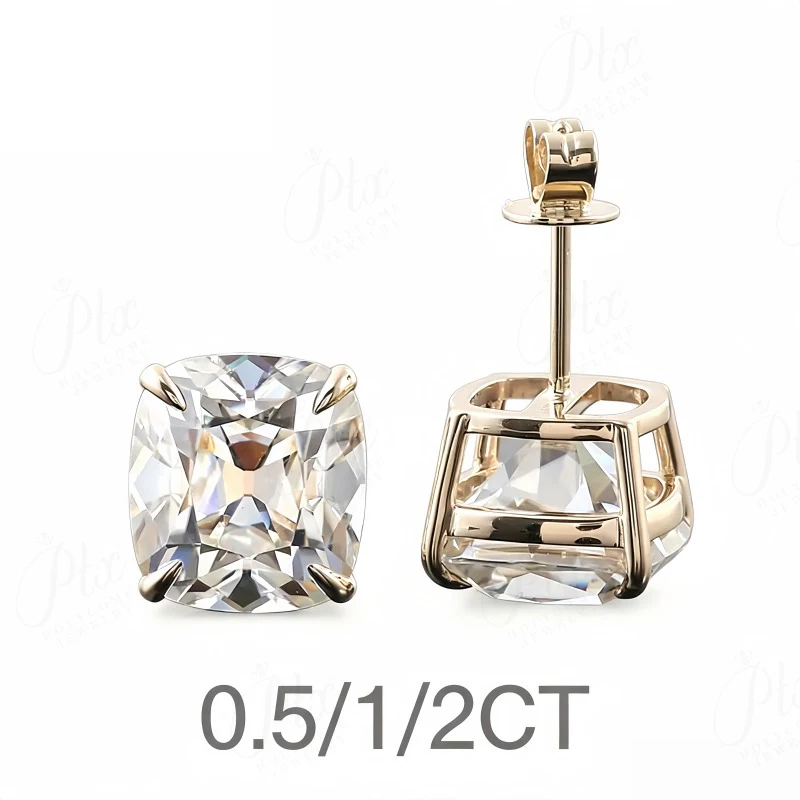
For bridal earrings, consistency in cut, clarity, and color is non‑negotiable. An audit that reveals inconsistent laser‑cutting parameters or variable stone sizes is a clear signal of insufficient process control. Experienced buyers routinely request recent GRA or IGI certificates before committing to a contract.
When a supplier can’t provide up‑to‑date certification, it signals either a lack of compliance or a hurried production schedule. In such cases, buyer clients may suffer increased returns or warranty claims, which ultimately erode brand reputation.
IIIProduction Capacity and Lead‑Time Reliability
In a table of typical lead times for custom bridal earring orders you’ll find the following benchmark. The numbers are based on our 12–18 day cycle from design approval to finished product, and they underline the importance of realistic expectations.
| Order Size | Lead Time (days) | MOQ | Typical Price Impact |
|---|---|---|---|
| 30‑piece custom order | 12–18 | 30 pcs | Base + 10% |
| 1‑piece stock sample | 7–10 | 1 pc | Base + 25% |
| 100‑piece bulk run | 18–24 | 30 pcs | Base – 5% |
When a supplier’s audit report shows fluctuating cycle times or undocumented rush orders, it suggests they’re operating on the edge of capacity, which could delay launch dates for your bridal collection.
IVQuality Metrics and First‑Pass Yield
Our first‑pass yield sits comfortably around 20% higher than the industry average, thanks to ownership of the setting and polishing lines. This metric translates directly into lower cost of goods for the buyer, as fewer pieces need rework or scrapping. An audit that reveals a low first‑pass yield is a sign of poor process stability.
High yield also means fewer defects reach the final inspection stage, reducing the need for costly re‑inspection or return handling. Buyers who partner with us often see a measurable drop in return rates compared to competitors who outsource polishing.
VFinancial Terms and Payment Flexibility
- 30% T/T deposit required upfront for custom OEM work, with the balance payable upon shipment.
- PayPal accepted for sample orders to lower entry barriers.
- DDP delivery to U.S. locations typically takes 5–8 days, ensuring on‑time delivery for show‑room displays.
- Cost structures are transparent; bulk orders beyond 30 pcs benefit from a 5% price reduction.
- All invoices are issued in USD, simplifying accounting for European buyers.
During a supplier audit, it’s vital to verify the payment terms and delivery guarantees are reflected in the contract. Ambiguities here can lead to unexpected cash‑flow challenges or shipping delays.
VICommunication Channels and Support Responsiveness
Our dedicated support line on WhatsApp +86 133 7744 7107 provides real‑time updates on order status, while email at service@holycome.com is monitored 24/7 for urgent queries. A supplier audit that reports delayed responses or unclear contact points indicates a risk of miscommunication, which can cascade into production errors.
Effective communication is particularly critical for bridal lines, where design changes can be frequent. Audits should confirm that the supplier has a documented escalation path for design approvals and that all transactions are recorded in an accessible system.
VIIFrequently Asked Questions
What is the minimum order quantity for custom bridal earrings?
The MOQ for custom orders is 30 pieces, though single‑piece stock samples are available at a higher price point.
How long does it typically take to receive a quotation?
You can expect a quote within 48 hours of order specification, with production lead times of 12–18 days for custom runs.
What are the payment options for sample orders?
Sample orders can be paid via PayPal; for larger orders, a 30% T/T deposit secures the production slot.
Interested in a quote or sample? Reach out today and let’s bring your bridal earring vision to life.