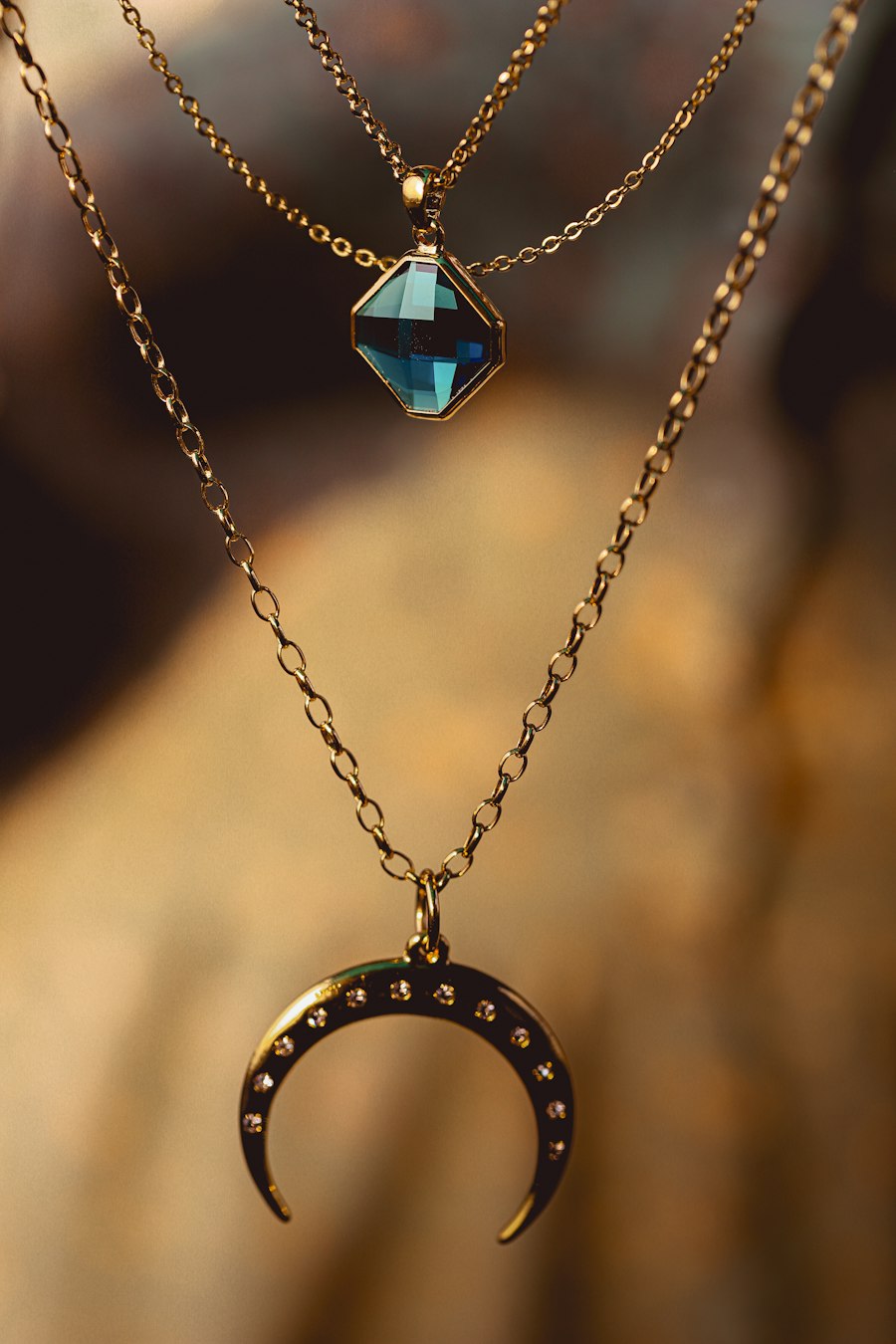
A bespoke tiara is a different kind of commission. Rings sit on a finger and turn slowly under a light. A tiara sits on the crown of the head, catches daylight and chandeliers alike, and has to look right from every angle a photographer, a videographer, and a grandmother in the front row can find. That changes how we draw, how we set stones, and how we think about weight.
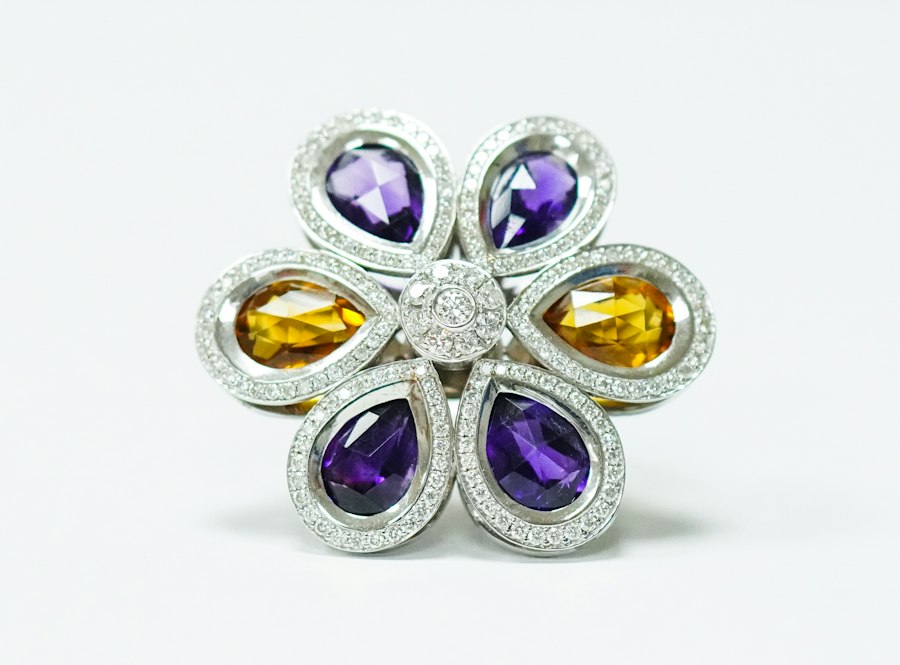
Most brides who walk into an atelier already have a dress and a veil in mind. That combination quietly determines almost every design decision we make. A high, structured gown calls for a piece with presence and height. A slip dress with silk ribbons usually wants something lighter, lower on the head, and almost delicate. Before we draw a single line, we ask whether the hair will be up or down, how heavy the veil is, and whether the tiara will be worn again at an evening reception or in heirloom portraits taken years later.
Proportion is everything
The human head is not a display stand. A piece that looks breathtaking on a velvet bust can feel heavy after three hours of standing, hugging guests, and turning for photographs. We scale the tiara to the wearer rather than to a catalog photo. A petite frame rarely carries a wide, branching design without it swallowing the face. A high, structured bun gives us room to build upward without crowding the cheekbones.
We also consider the shape of the face. A tiara that sits slightly wider at the temples can lengthen and balance a rounder face. A narrow, central peak can echo a high neckline and guide the eye upward. These are small adjustments, but they are the reason two sketches of the same idea look completely different on two different people. It is also why a finished ring you ordered online rarely translates to a headpiece designed by committee.
The stones and the metal
Brides often assume a tiara must be diamonds, and many are. But we set tiaras in everything from platinum to recycled 18k yellow gold, and the stones range from near-colorless lab-grown diamonds to soft sapphires that echo something borrowed. A mother's earrings, a grandmother's brooch, a single stone pulled from a ring that no longer suits you. If a family stone is involved, we treat it as the center of the composition rather than an afterthought. Where a piece is no longer worn, we may redesign the heirloom so its stones can live in the new tiara.
Comfort matters more than most clients expect. A tiara presses on the head in a very particular way, and a sharp edge against the scalp is the kind of thing that only reveals itself after an hour of wear. We soften the inner band, line it discreetly where needed, and weight the piece so it sits rather than slides. A tiara that requires constant repositioning is a tiara you will take off before the first dance.
How long does it take?
A custom tiara is not a rush job. From the first consultation to the finished piece, plan on roughly six to ten weeks, depending on stone sourcing and the complexity of the metalwork. If you are working from an heirloom stone or a reference that needs translating into something wearable, add a week or two for revision rounds. The first consultation is where we pin down silhouette, budget, and timeline so there are no surprises the week before the wedding.
Wearing it beyond the wedding day
We build tiaras to be worn again. On an anniversary, at a black-tie dinner, or passed to a daughter years from now. That means designing the base so it converts: many of our tiaras detach into a necklace or a brooch after the wedding, so the investment keeps working long after the reception ends. A piece that only works once is, in our view, a missed opportunity.
If a full tiara is more ceremony than you want, a slim bandeau or a pair of statement bridal earrings often gives the same feeling of occasion with far less structure. Start with how you picture yourself walking down the aisle, then let the proportions follow. The right piece should feel like it was always part of the dress, not added to it.
Bring references, but keep an open mind
Clients often arrive with a screenshot of a tiara they love from a runway or a royal wedding. We treat that image as a starting point, not a blueprint. A reference tells us your taste: how tall you like pieces, whether you lean toward sparkle or restraint, how formal you want the day to feel. But the tiara in that photo was proportioned for someone else's head, hair, and dress. We draw the spirit of it and rework the proportions for you. Most clients end up preferring the version we build, because it sits on them rather than on a model they saw online.
A note on veils and hairpieces
If you are wearing a veil, the tiara and the veil have to share the same anchor. We design the base so a comb or a ribbon can attach securely, rather than fighting for position at the back of your head. Brides who plan to switch looks between the ceremony and the reception should tell us up front, because a piece that converts from a tall crown to a low bandeau needs that engineering built in, not added afterward. The goal is that the tiara stays where you put it from the first photo to the last dance.