Sterling silver is the underdog of bespoke jewelry. It costs a third of 14K gold, it takes a beautiful polish, and it is the metal most people grew up with. What puts people off is the tarnish. A silver ring that turns a finger grey after a month is the memory everyone has. Done properly, that need not happen, and commissioning in silver is one of the best ways to own something made for you without a gold budget.
 's bench'>
Why silver tarnishes
Tarnish is a chemical reaction between silver and sulfur in the air, food, and lotion. It is not a flaw in the piece; it is what silver does. Cheap silver jewelry tarnishes fast because the alloy is sloppy and the piece is thin. A well-made sterling piece—92.5% silver, properly hallmarked—tarnishes slowly, and the patina it develops reads as warmth rather than dirt. Rhodium plating adds a bright, tarnish-resistant layer, like white gold, but it wears off over a year or two.
Where silver works, and where it does not
Silver is excellent for a pendant, earrings, a cuff, a signet, and a soft band. It is the wrong metal for a solitaire engagement ring worn daily for decades, because it is softer than gold and wears faster. It also scuffs more visibly on a high-contact band. Most clients who commission silver use it for statement pieces that come off at night, not for the ring they never remove.
- Silver pendant or earrings: ideal, $150–$500.
- Silver signet or cuff: excellent, takes engraving well, $300–$700.
- Silver everyday band: possible, expect wear and polishing, $150–$350.
- Silver solitaire setting: not recommended for daily wear.
Pricing a silver commission
Because silver is cheap by weight, most of a silver commission is labor, not material. That means bespoke silver costs less than bespoke gold, but not a fraction of the price. A small bespoke pendant runs $150–$400; a signet or a cuff $300–$700; detailed cast work $500–$1,000. The saving is real, and the design freedom is the same as gold.
| Piece | Material | Typical price |
|---|---|---|
| Small pendant | Sterling | $150–$400 |
| Signet or cuff | Sterling | $300–$700 |
| Statement earrings | Sterling | $200–$500 |
| Detailed cast piece | Sterling | $500–$1,000 |
Living with it
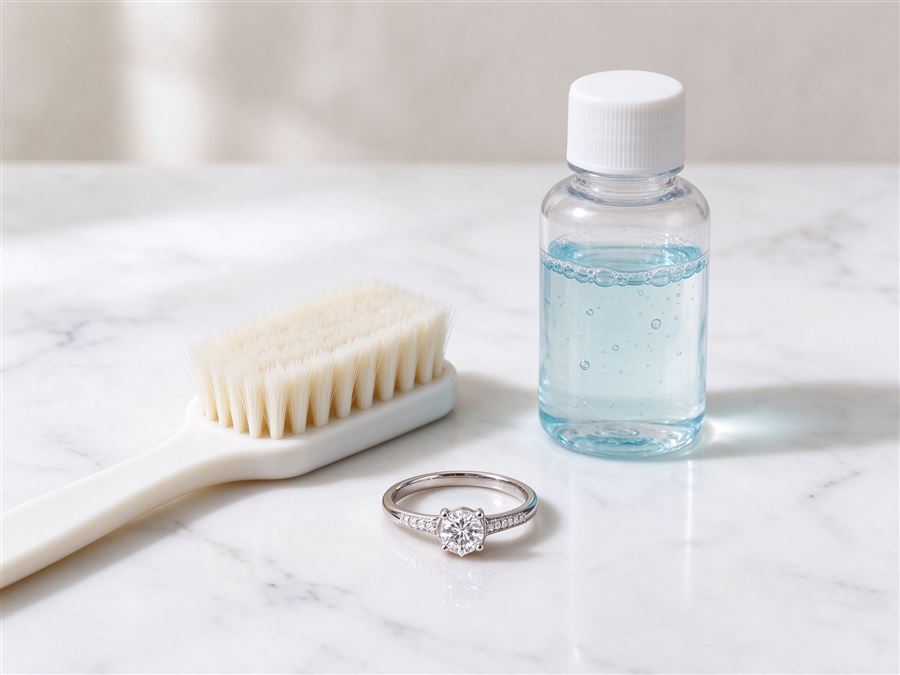
Silver is the most approachable metal to learn on. Polish it once a month with a sunshine cloth, store it in an anti-tarnish pouch, and take it off before swimming or spraying perfume. For more on materials and finishes, see our custom process guides.
The finish that hides tarnish
How the silver is finished changes how it ages. A bright polish shows tarnish fastest but is easy to bring back. A brushed or matte finish hides it and reads as modern. An antique finish, where the recesses are darkened, actually uses tarnish as part of the design, so a little aging improves the piece. We talk through the finish at the consultation, because it decides how much polishing the wearer wants to do. For someone who never polishes, a satin or antiqued silver piece is the realistic choice, and it looks deliberate rather than neglected.
Why silver is the best first commission
Most clients order silver first, not because they cannot afford gold, but because they want to test the process. A silver pendant at $250 lets them experience the consultation, the CAD, the wax model, and the delivery before spending a thousand on a ring. If the process suits them, the next piece is in gold. If it does not, the experiment cost little. That is the practical reason silver commissions are common: they lower the risk of trying bespoke at all.
Sizing and surprising with silver
Silver is a friendly metal to give as a surprise. A pendant or earrings needs no finger size at all, which removes the biggest risk. A silver band can be sized up or down cheaply, because sterling is soft and the shank is plain. Order the piece six weeks out, and lock any engraving early. The result is a gift that feels designed rather than bought, at a price that makes the planning the point rather than the receipt.
For a first commission in silver, start small. Wear the piece for a month, watch the patina settle, and decide whether silver suits the life. Most clients do, and the next piece builds on what they learned. A sunshine cloth once a month and an anti-tarnish pouch at night is all the care a silver piece asks. Skip the chemical dips, which strip the finish. A satin or antiqued silver piece needs almost nothing, and it ages like it was meant to.
A well-made silver piece is the first bespoke commission most clients order—and the one they then upgrade in gold for the ring that stays on forever.